On KSTAR, ITER’s plasma control system successfully takes charge
In March, ITER’s plasma control system (iPCS) was successfully deployed and operated on the KSTAR tokamak in Daejeon, Korea. The primary objective was to validate the behaviour of the ITER plasma control system under realistic operating conditions and to expose system‑level issues at an early stage.
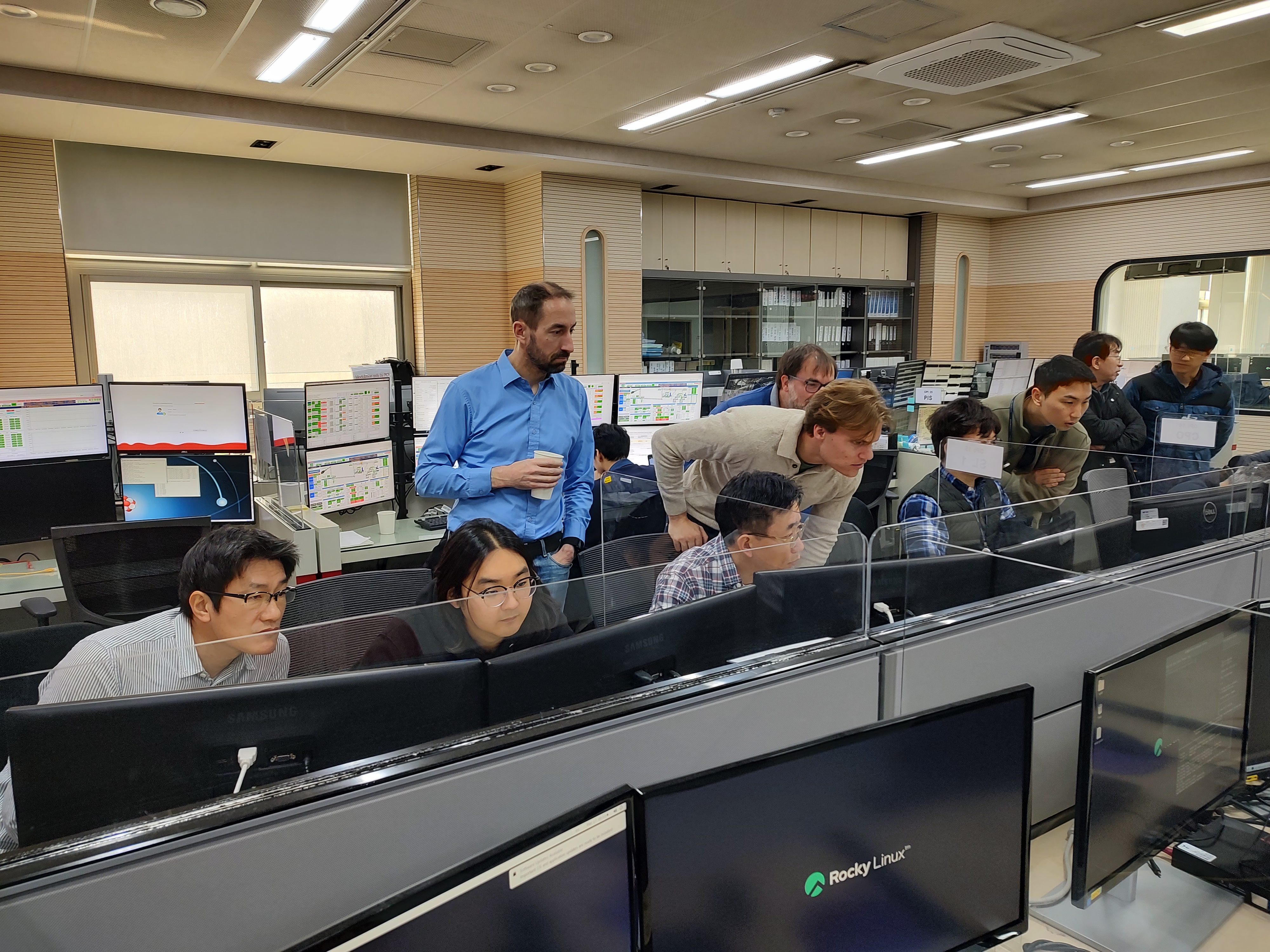
The experimental campaign was carried out between 9 and 20 March 2026 and comprised a total of 38 pulses, including four preliminary commissioning pulses. The campaign marked a major milestone for the development of the ITER plasma control system, as this was the first time the system achieved first plasma on an operating tokamak—a concrete result that reduces technical risk ahead of ITER plasma operations.
The activities were led by the ITER CODAC team (Control, Data Access and Communication) and jointly executed with the ITER plasma control system design team, establishing a direct feedback loop between design intent, implementation, and operational validation.
The iPCS—which is the name given to the plasma control system deployed at KSTAR —isolates the core structural framework of the ITER plasma control system, while maintaining complete structural equivalence without component-level modifications and supporting direct and transparent integration with KSTAR plant systems.
The role of Korea’s KSTAR tokamak in the development of ITER’s plasma control system is strategic, enabling the system to be validated on a fully operational superconducting tokamak. “Operating the system on a live machine allows controller behaviour, timing performance, and plant‑system integration to be assessed under real constraints that cannot be fully captured by simulation alone,” says Control System Coordinating Engineer Woong-Ryol Lee. “This setting provides an effective framework for close coordination between CODAC and the design team, enabling rapid iteration and informed design refinement.”

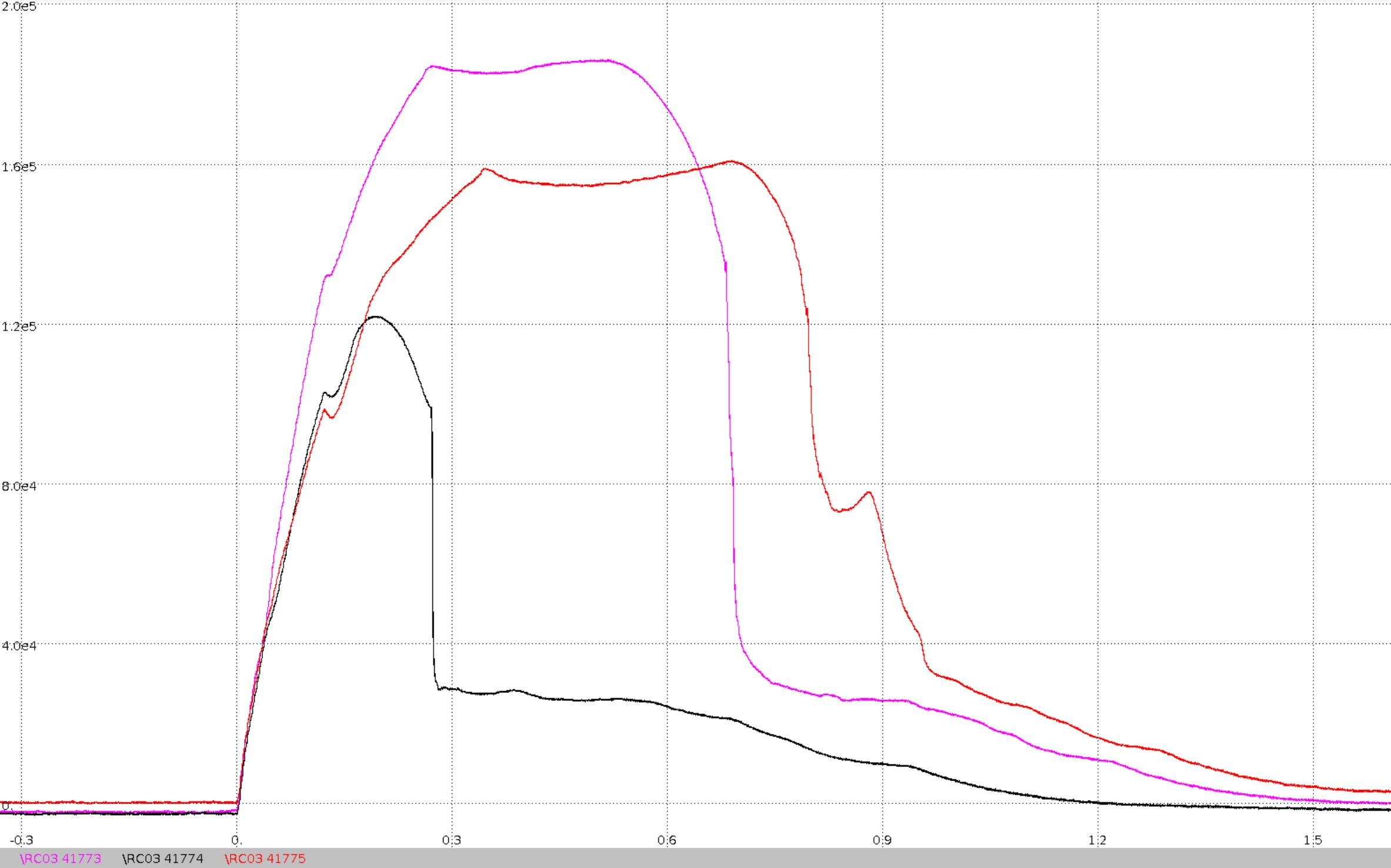
Two performance targets were defined for the 2026 campaign: a plasma current exceeding 0.1 mega‑ampere and a plasma flat‑top duration longer than 100 milliseconds. Both targets were exceeded with significant margin. Peak plasma current surpassed 0.2 mega-ampere, and plasma duration reached approximately 0.8 seconds, exceeding one second in later experiments.
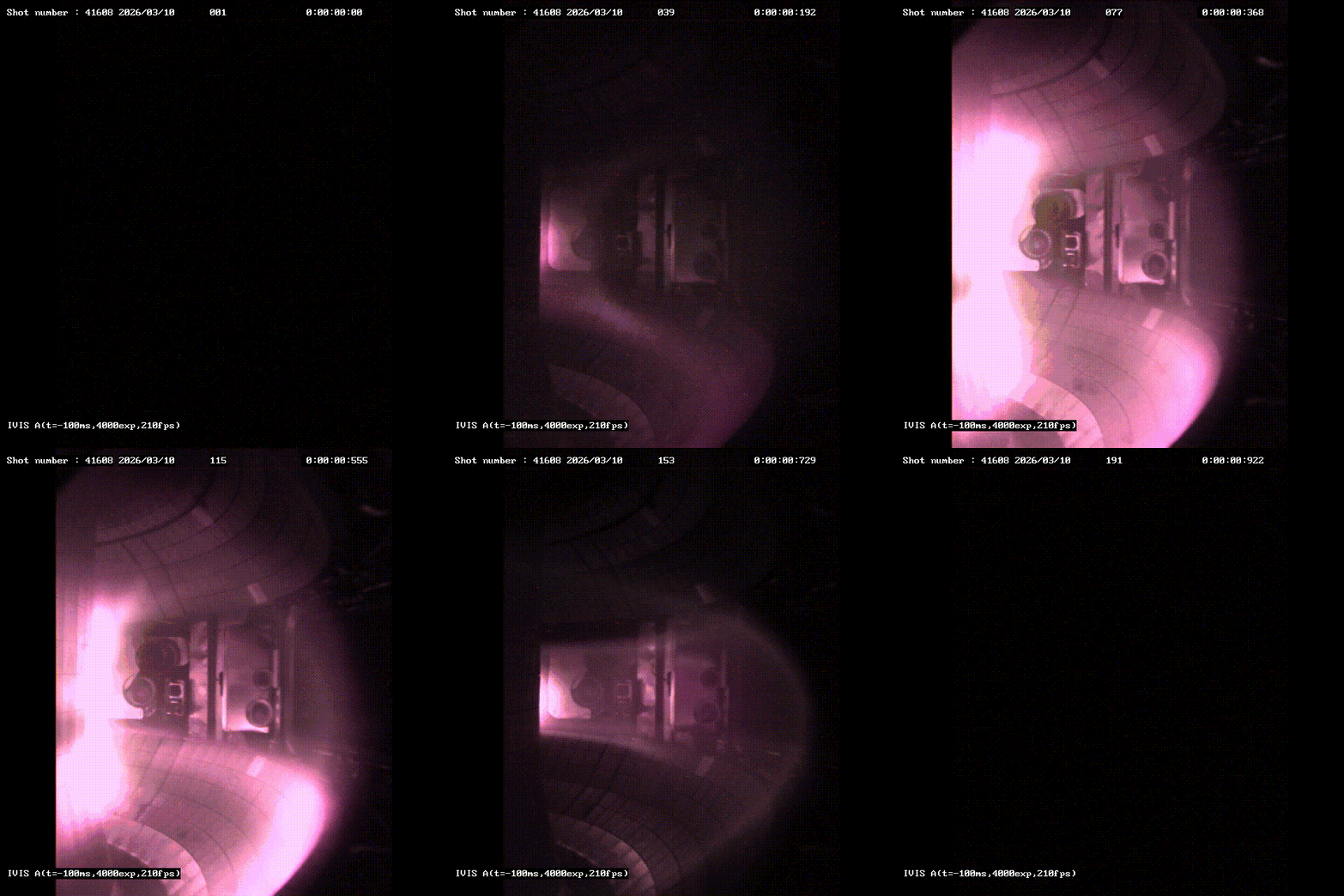
Plasma initiation was successfully demonstrated using three complementary start‑up scenarios: ohmic, electron cyclotron heating (ECH)‑assisted, and trapped particle configuration. The first plasma achieved by the ITER plasma control system was obtained on 10 March 2026 using an ECH‑assisted scenario. The results provided practical confirmation of the control strategies defined during the design phase.
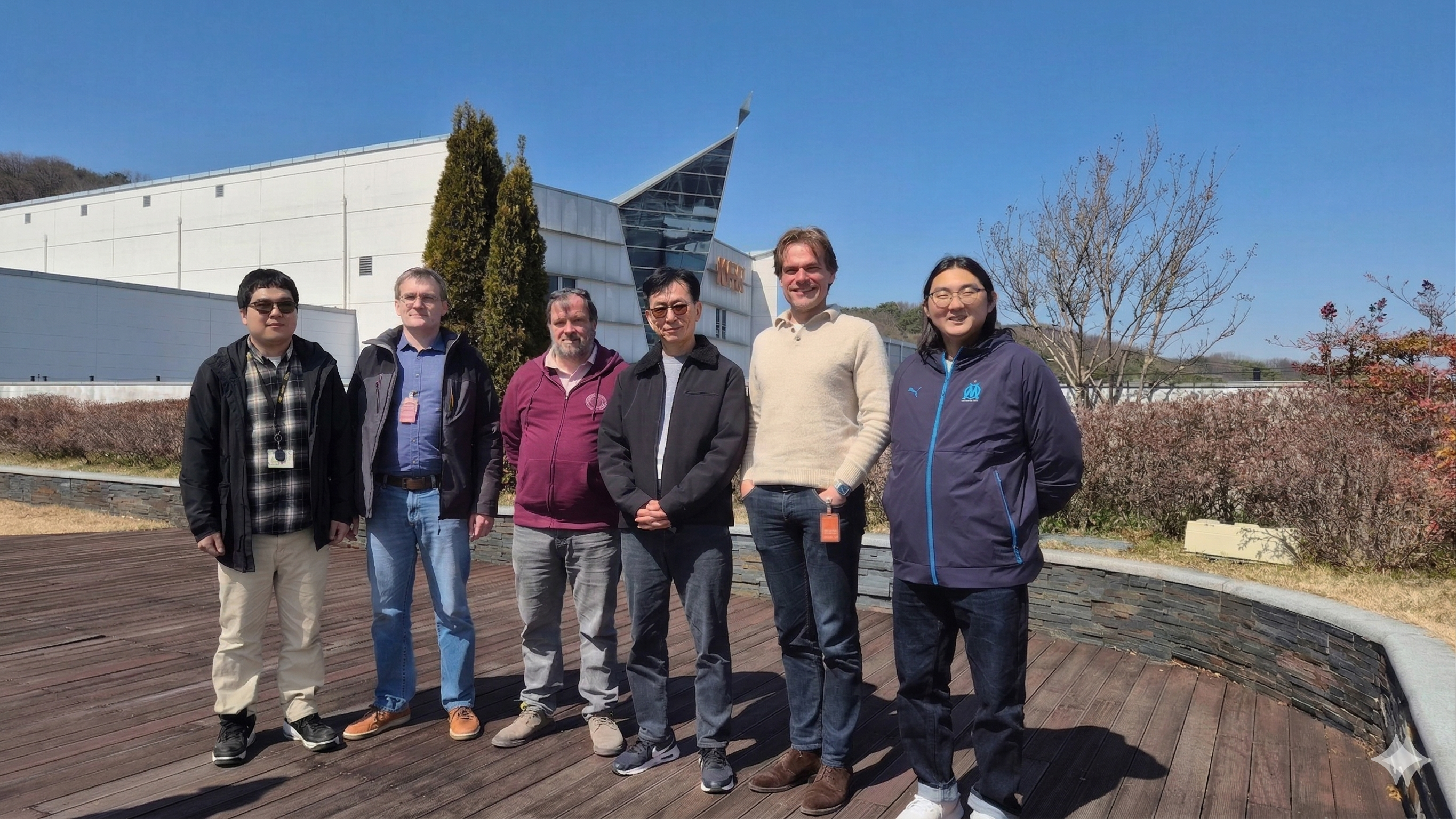
In parallel, integrated real‑time operation of the edge Thomson scattering and two-colour interferometer diagnostics was successfully demonstrated, confirming that real-time framework (RTF)‑based diagnostic applications can operate synchronously with the plasma control system during tokamak operation. This integration further validated the end‑to‑end control and diagnostics architecture under CODAC coordination.
“The successful collaboration with KSTAR demonstrates the effectiveness of ITER’s development model, in which CODAC implementation and close collaboration with the plasma control system design team are used to mature critical systems through operation on existing facilities,” says Project Leader Mikyung Park. Experience gained from real‑machine commissioning and joint evaluation directly strengthens confidence in ITER’s plasma control system architecture and its readiness for upcoming program milestones. Future campaigns will progressively introduce additional control functions, advancing the system towards full plasma control capability for ITER.
Below, a video recorded by a diagnostic CCD camera capturing the first plasma (#41608) generated under the control of the ITER plasma control system (iPCS).