
Your email address will only be used for the purpose of sending you the ITER Organization publication(s) that you have requested. ITER Organization will not transfer your email address or other personal data to any other party or use it for commercial purposes.
If you change your mind, you can easily unsubscribe by clicking the unsubscribe option at the bottom of an email you've received from ITER Organization.
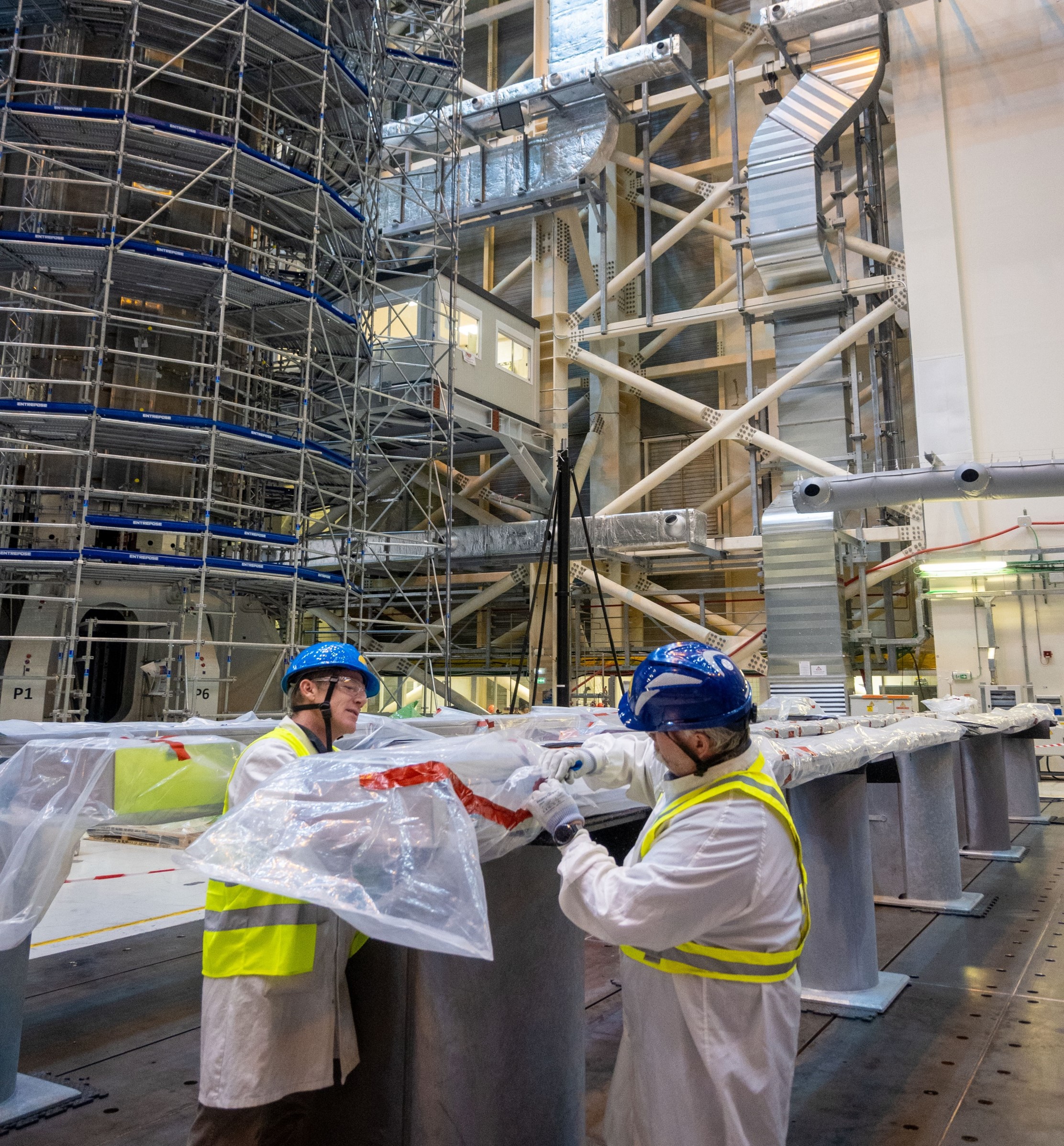
From developing welding procedures for first-of-a-kind components to devising strategies for welding in the tokamak’s confined spaces, ITER’s welding engineers are helping to define the techniques and standards that may shape fusion projects for decades to come.
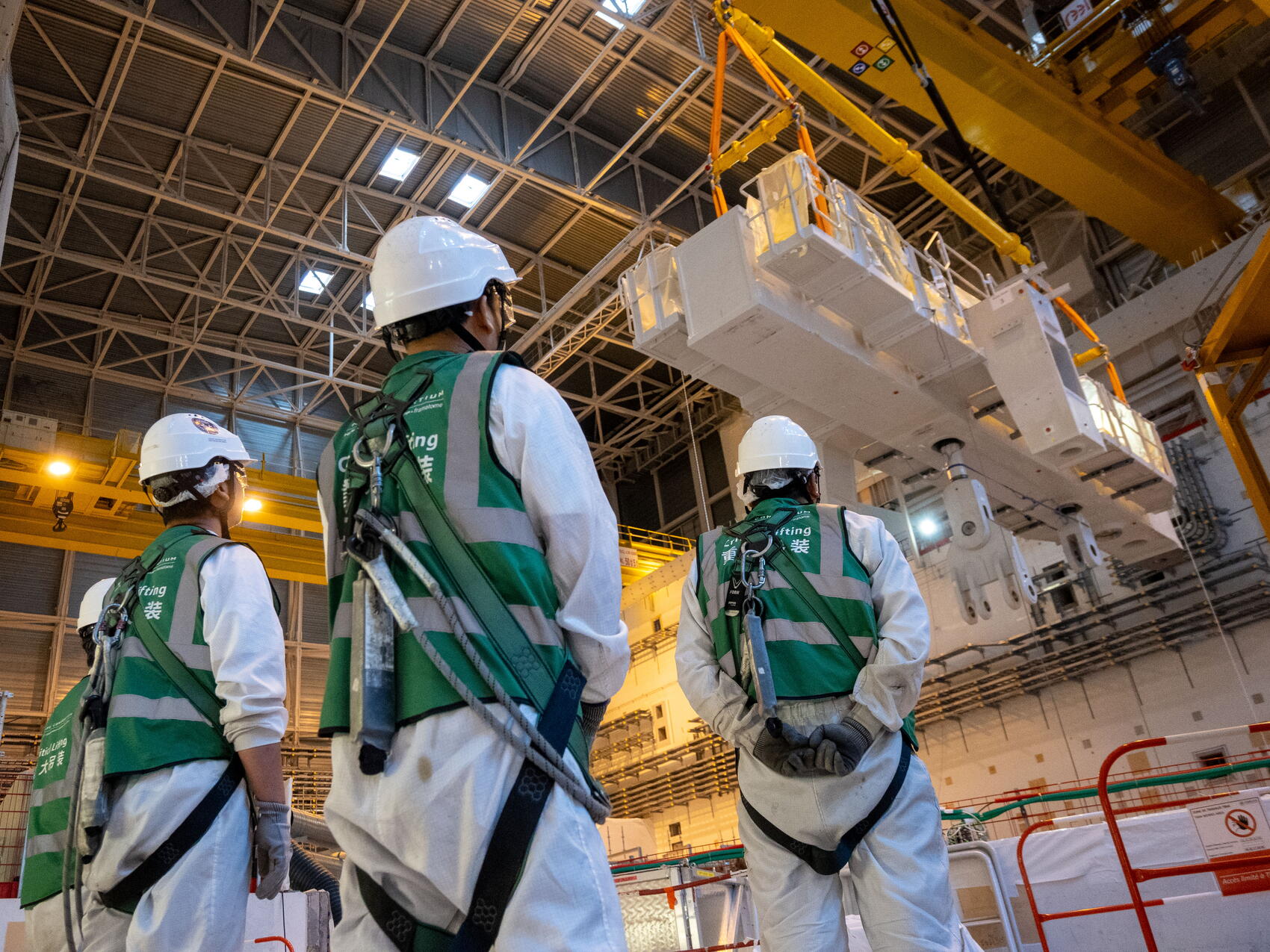
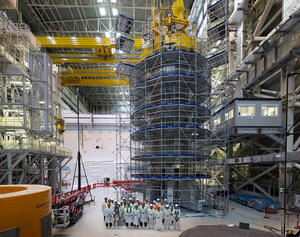
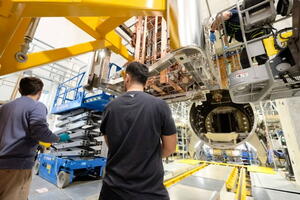
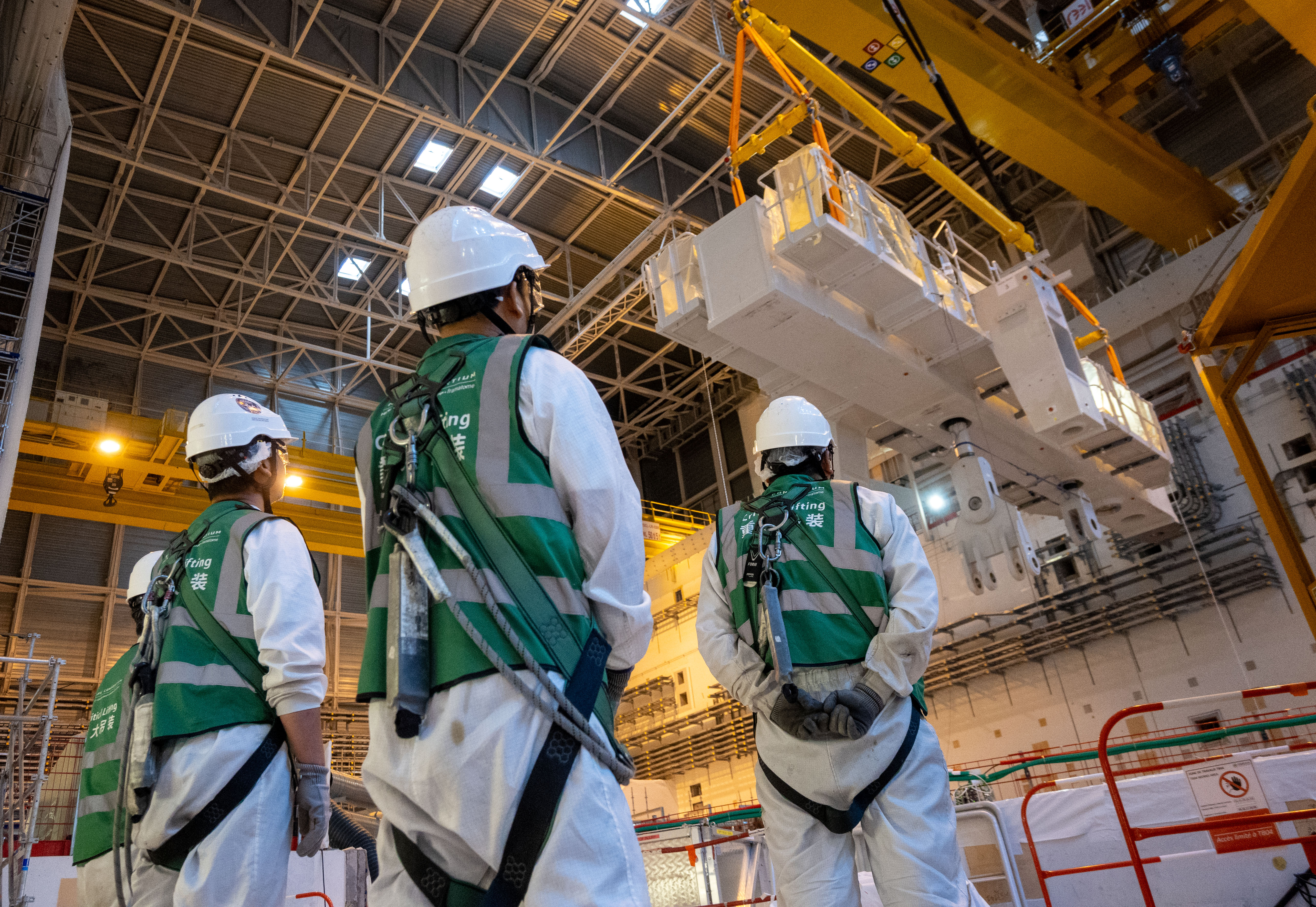
2026-06-23 - A central solenoid module is gripped by a tool that exerts radial force (instead of pulling from above). When it reaches the top of the central solenoid stack later today it will be the sixth and final magnet module.
"Landing" a module on its support
2026-06-22 - These engineers are transferring the 440-tonne load of vacuum vessel sector #7 from its overhead radial beam to its gravity support below.
International Day of Yoga 2026
2026-06-22 - ITER personnel mark the International Day of Yoga by starting the week with a 30-minute outdoor yoga session. The event was sponsored by the Consulate General of India in Marseille, which provided participants with yoga mats, T-shirts and a healthy breakfast.
Sector #9 moves into sub-assembly
2026-06-19 - Vacuum vessel sector #9 is lifted out of the upending "cradle" to be transferred across the way into a sector sub-assembly tool.
A little more than half
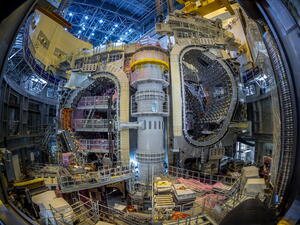
2026-06-18 - The ITER tokamak assembly pit in June 2026, with five of nine vacuum vessel modules in place.
ITER T-shirts and a winning team
2026-06-18 - The victory was hard-earned, but the trophy ultimately went to a team of eight fusion researchers sporting “Fuse Baby Fuse” T-shirts provided by ITER. On Thursday, 18 June, the Applied Physics Department at TU Eindhoven (Netherlands) held its annual football tournament. The winning side, DT United, was made up of eight players from the TU Eindhoven fusion group and the DIFFER fusion department.
First coil removed from test facility
2026-06-18 - Toroidal field coil #7 (TF07) is removed from the cryostat of the ITER magnet cold test facility, after the successful completion of cold tests. Analysis of joint resistance after the cold test at 4 K (-269 °C) revealed no abnormalities.
First bellows unit enters Tokamak Building
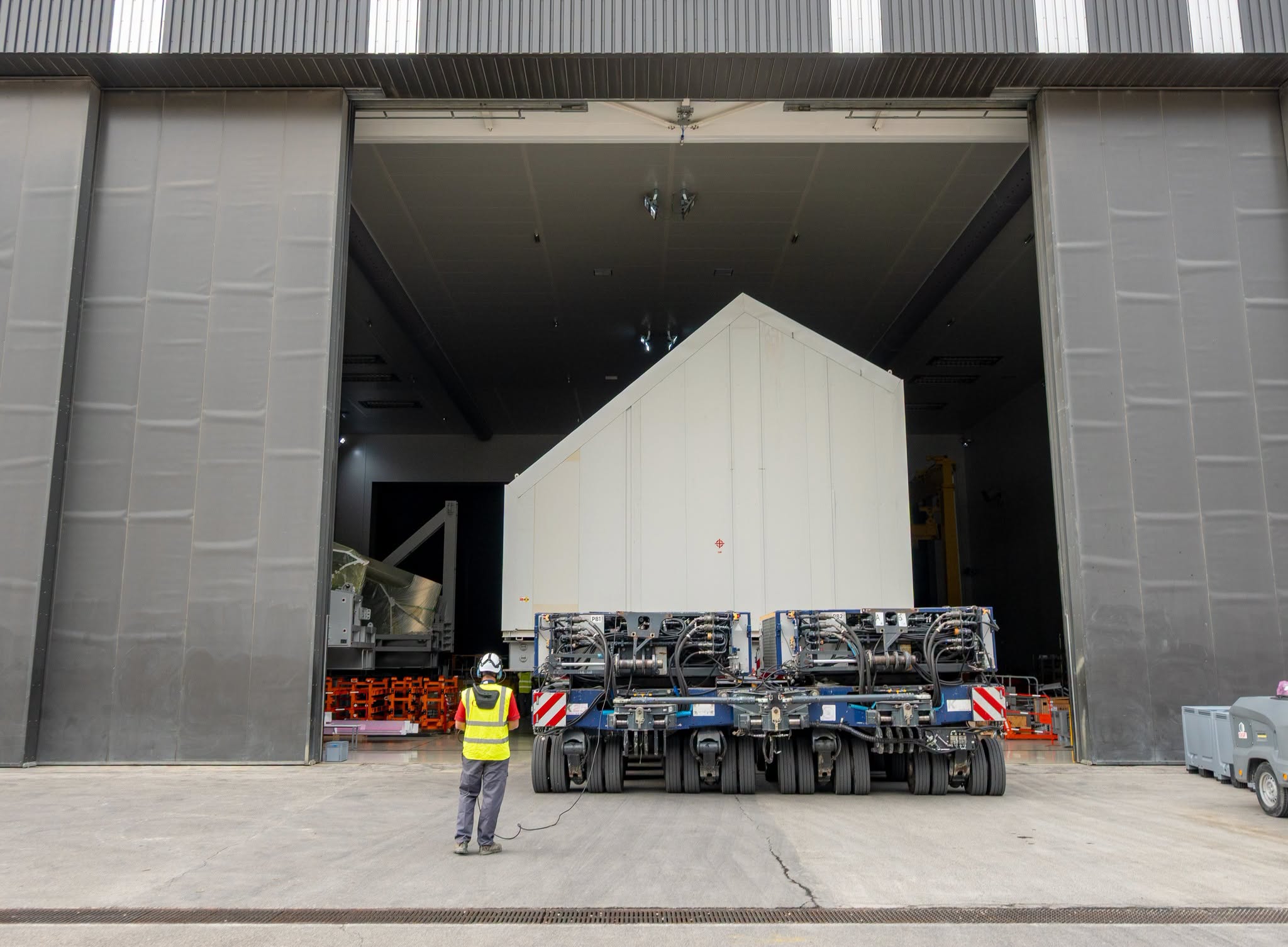
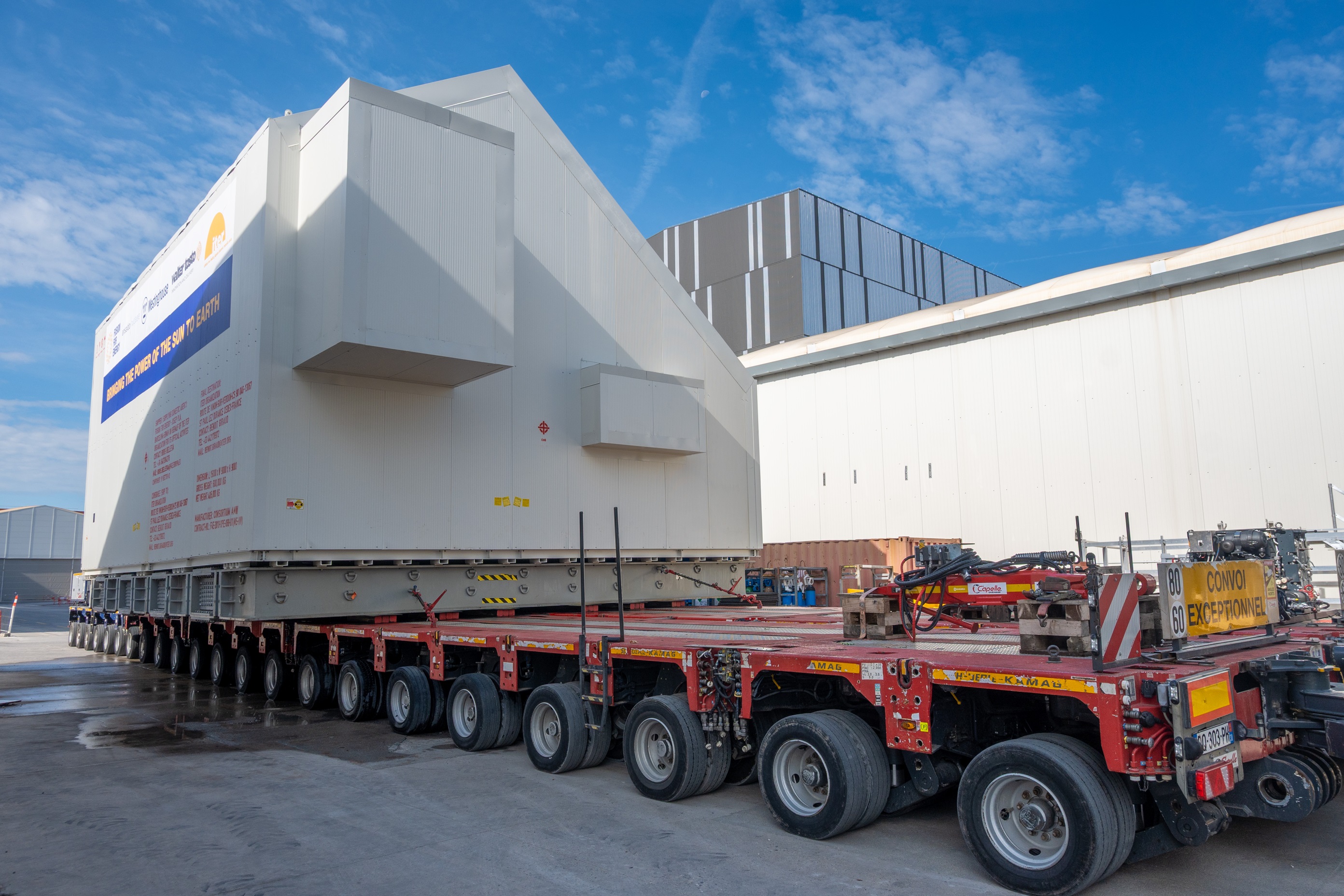
2026-06-17 - The first bellows unit is transferred from storage into the Tokamak Building. A total of 93 bellows units (83 rectangular and 8 circular) will be installed between the vacuum vessel and the cryostat, or between the cryostat and the building walls to accommodate thermal expansion and mechanical loads during operation.
Top Welding, Top ITER
2026-06-17 - The "Top Welding, Top ITER" competition brings together welders from across the project together to test their skills in a series of welding categories. Here, first-place welders celebrate their victory on stage with head judge Robert Pearce (left), Head of Construction Project Sergio Orlandi (second from right), and Machine Assembly Program Manager Jens Reich.
Ready for a new sector
2026-06-17 - One of two sector sub-assembly tools (foreground) stands empty ... for a short time. Vacuum vessel sector #9 is on its way.
Upending the next sector in line
2026-06-17 - Vacuum vessel sector #9 has been upended to vertical using a special "cradle" called the upending tool. It will be transferred in its vertical position to sub-assembly tooling.
A facility for divertor integration
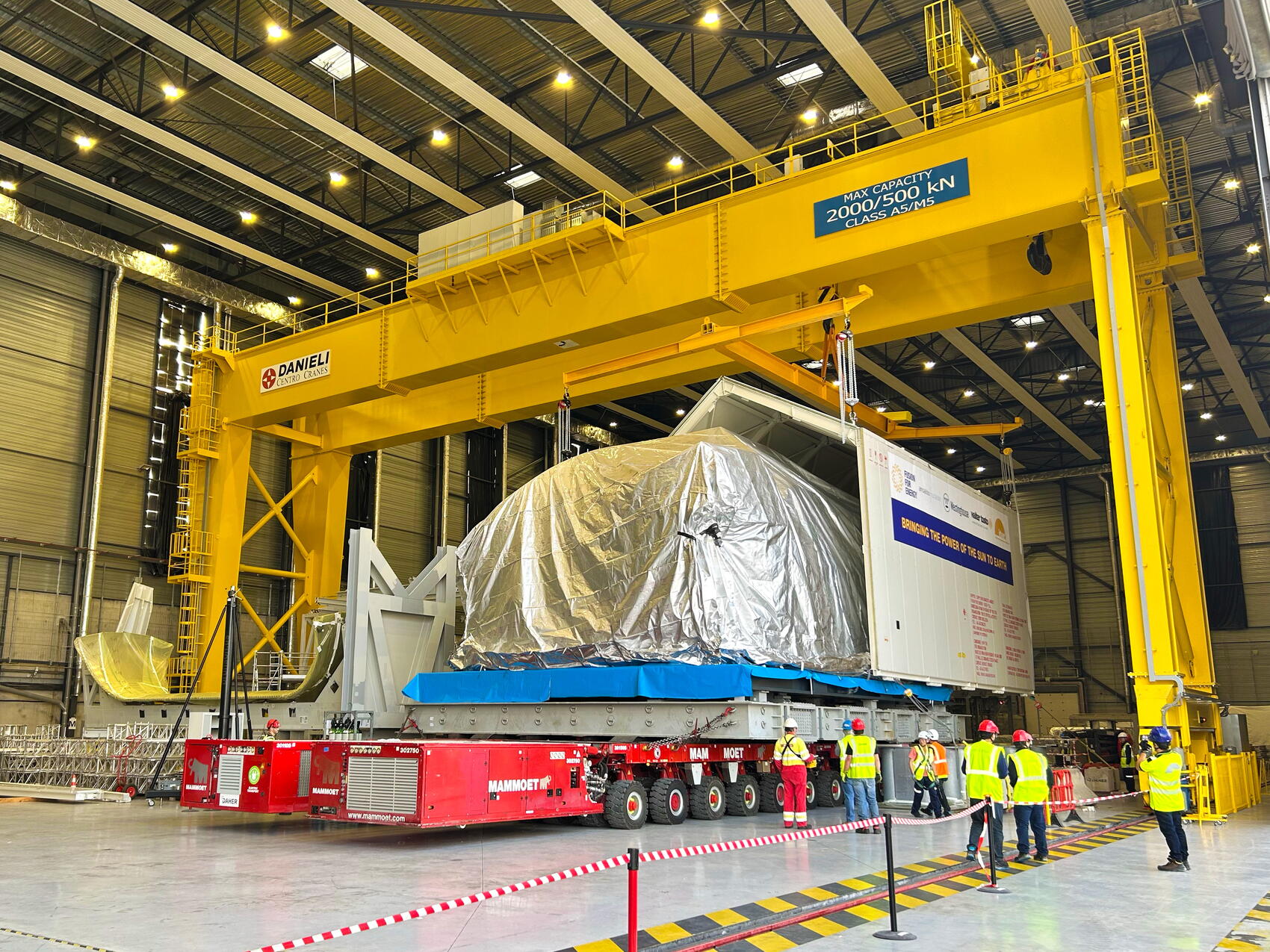
2026-06-15 - At the divertor integration facility in Qinshan, China, the elements of the ITER divertor will come together to form the "divertor cassette assemblies" that will be installed at ITER.
Sector module #1 nears completion
2026-06-15 - Final sub-assembly activities are underway on sector module #1, which will be moved into the tokamak pit in July.
Divertor: from around the world to one assembly line
2026-06-15 - A consortium led by the Southwestern Institute of Physics (SWIP) will mount inner vertical targets from Europe, outer vertical targets from Japan, and divertor domes from Russia onto cassette bodies manufactured by Europe, and integrate diagnostic systems and operational instrumentation.