
Vladimir Mukhovatov, a fusion pioneer
The ITER Organization is saddened to learn of the death of Vladimir Mukhovatov, a Russian physicist who played a key role in establishing the scientific basis for ITER.
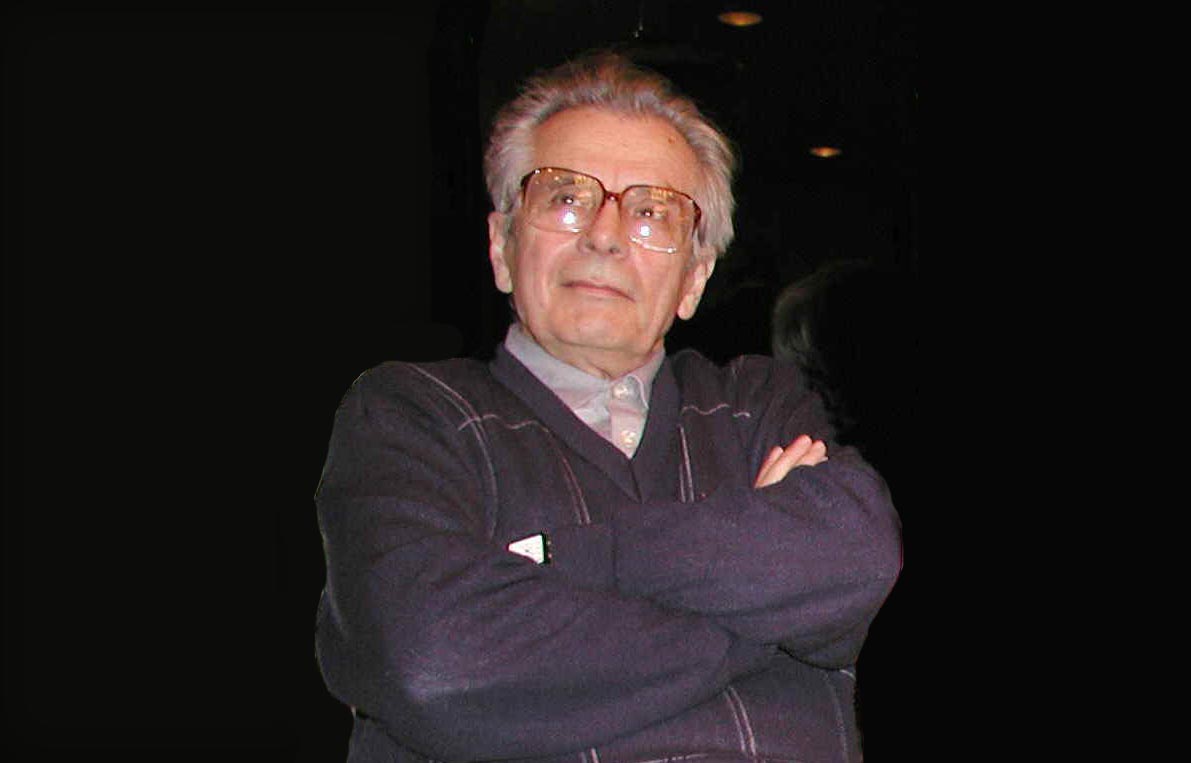
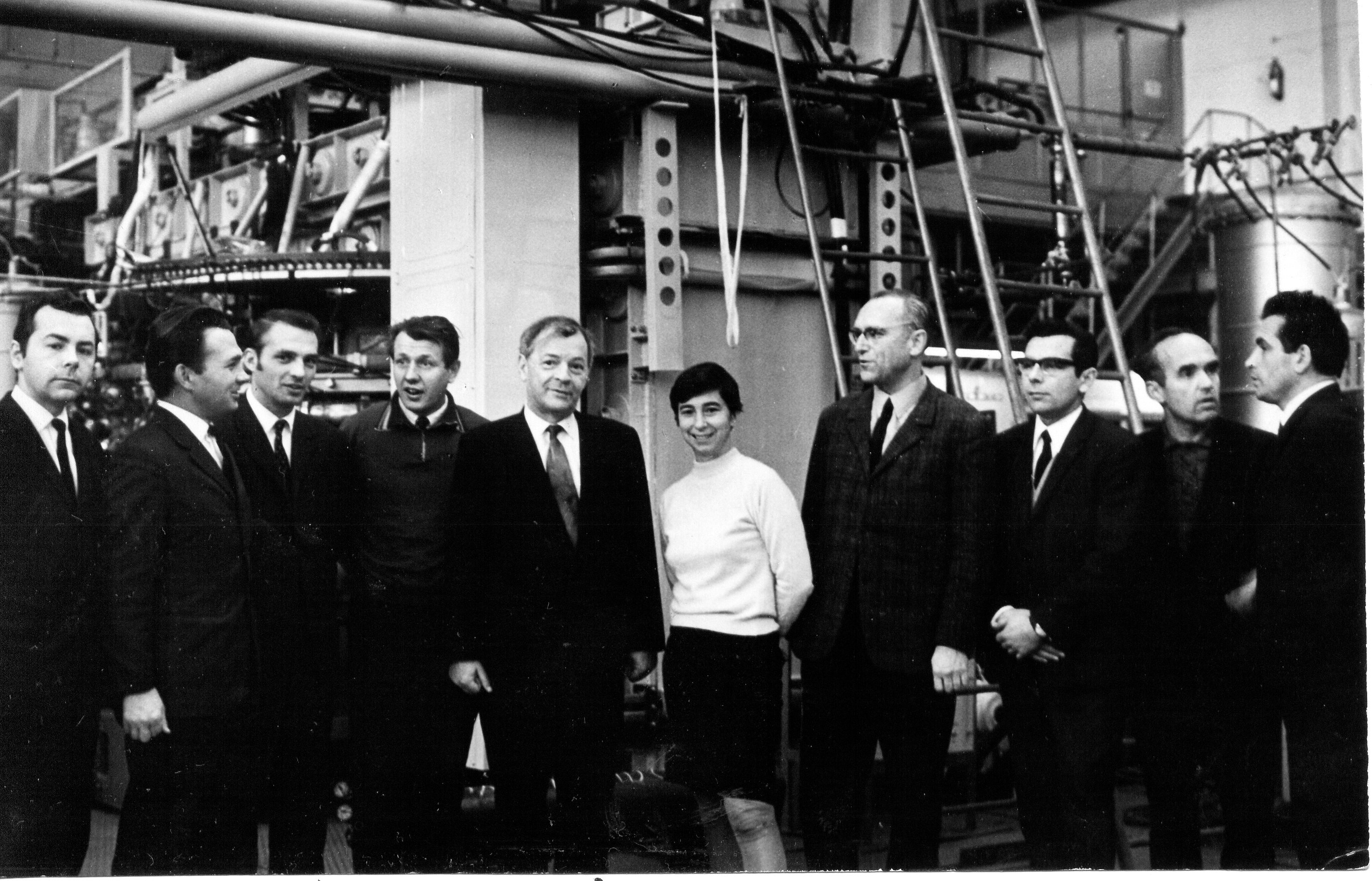
Vladimir Mukhovatov was a leading Russian plasma physicist from the Kurchatov Institute and a pioneer of fusion research whose work shaped tokamak physics and the ITER project from its earliest stages. He began his career at the Kurchatov Institute in 1958, working on the T-1 tokamak and playing a major role in the foundational development of tokamak research, with work that spanned from theoretical plasma physics to tokamak design. Together with Vitaly Shafranov, he authored the famous formula describing plasma equilibrium in a tokamak, published in 1971 in the journal Nuclear Fusion. He also designed the T6 tokamak which was put into operation in 1965. In recognition of their groundbreaking tokamak research work, he was part of the team that was awarded the USSR State Prize in 1971.
During the ITER’s Conceptual Design Activity phase (CDA, 1988–1990), as part of the ITER Central Team, he was a key scientific figure in establishing the physics basis of the ITER design. His contributions were fundamental in shifting tokamak research from small-scale experiments to the massive engineering requirements of a "burning plasma" machine like ITER. He played a central role in developing energy confinement scaling laws, characterizing transport coefficients, and leading the ITER Physics Expert Groups (which were the predecessors of the International Tokamak Physics and Engineering Activity (ITPEA) groups), specifically focusing on transport and confinement.
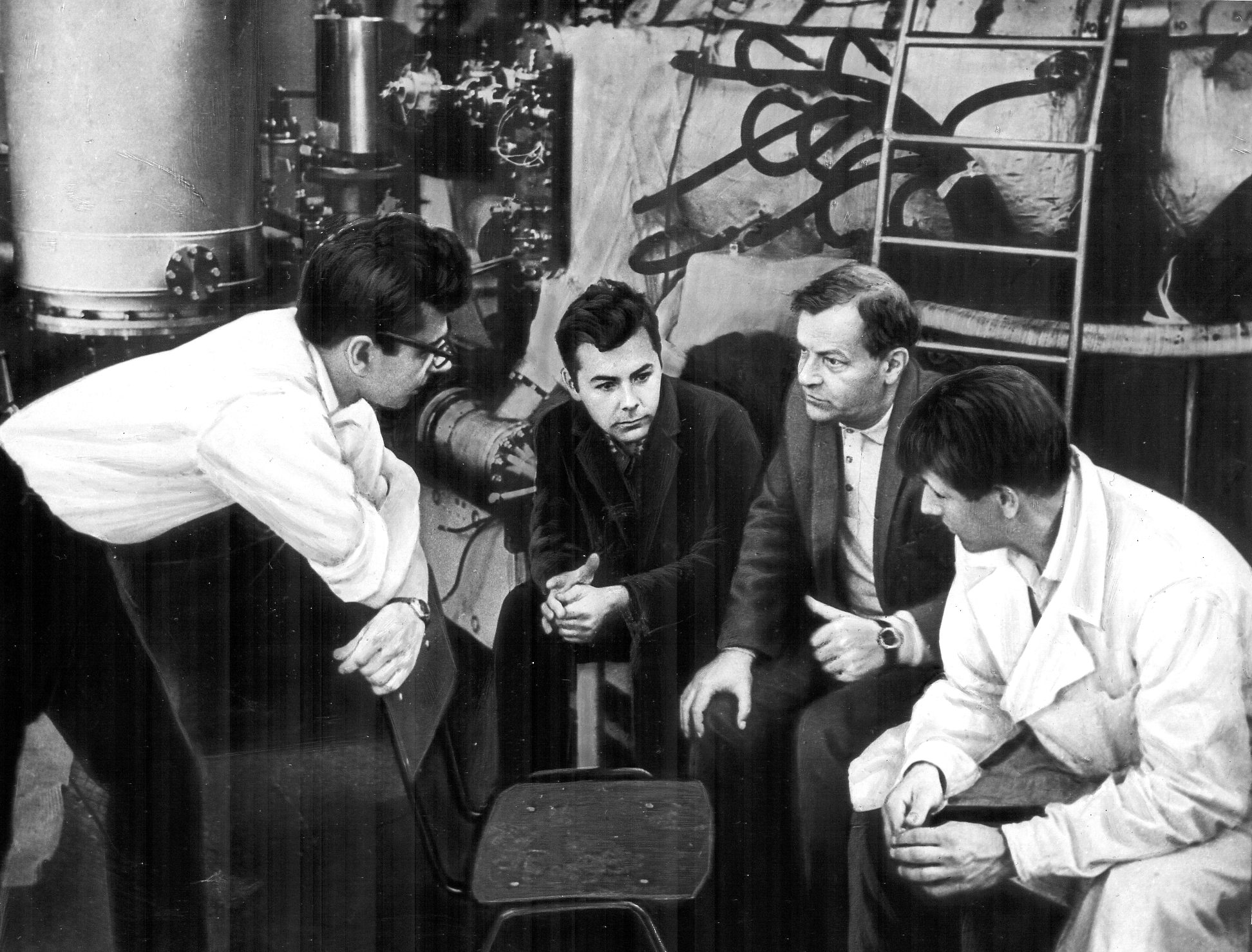
During the ITER Engineering Design Activity that followed (1992-2001), Vladimir Mukhovatov worked in San Diego (USA) and Naka (Japan) as part of the Physics Division of the Central Team. His most influential contribution in this phase was the IPB98(y,2) confinement scaling law, which laid the groundwork to predict ITER’s performance and which remains a reference for tokamak experiments and design today. In the late 1990s, the ITER design underwent a major revision (called “ITER-FEAT”), which is the machine with a plasma current of 15 MA being built today. Mukhovatov provided the physics validation for the "right size" by conducting the analysis that showed that the ITER machine could achieve its primary goal of Q≥10 at this plasma current and allow for the study of burning plasma physics and fusion technologies. Within the ITPEA framework, he coordinated international experimental efforts across many tokamaks to verify that the confinement scaling laws developed during CDA held true for the evolving EDA design. He also served as the editor of two key Nuclear Fusion papers for ITER, ITER Physics Basis and Progress in the ITER Physics Basis, and made key contributions to the chapter on Plasma Confinement and Transport.
From January 2007 to June 2010, he worked on site at ITER as a Senior Scientific Officer within the Fusion Science and Technology Department. His role was to ensure that the evolving engineering and civil design remained consistent with the scientific “blueprints” that had been established. He continued refining confinement scaling laws, co-authored research papers that defined how ITER's operation would bridge the gap to fusion reactors, and focused on "burning plasma" issues such as energetic particle behaviour and self-heating effects. He also contributed to early versions of the ITER Research Plan and in particular to the analysis of hybrid and steady-state operating scenarios.
After retiring from ITER, Vladimir Mukhovatov returned to the Kurchatov Institute and remained active in fusion research for many years. The ITER Organization owes him a profound debt for laying the physics foundations of the project. Colleagues who had the privilege to work with him will always remember him for his wisdom and kindness.