
Key ruling on ITER vessel strengthens fit-for-purpose fusion regulatory approach
On 14 April 2026, the French Authority for Nuclear Safety and Radiation Protection (ASNR) approved the ITER Organization’s request to exclude the ITER vacuum vessel from French and European pressure equipment rules. By recognizing that electromagnetic forces—not coolant pressure—drive the ITER tokamak vessel design, the decision marks a significant step toward a regulatory framework tailored to tokamak fusion devices.
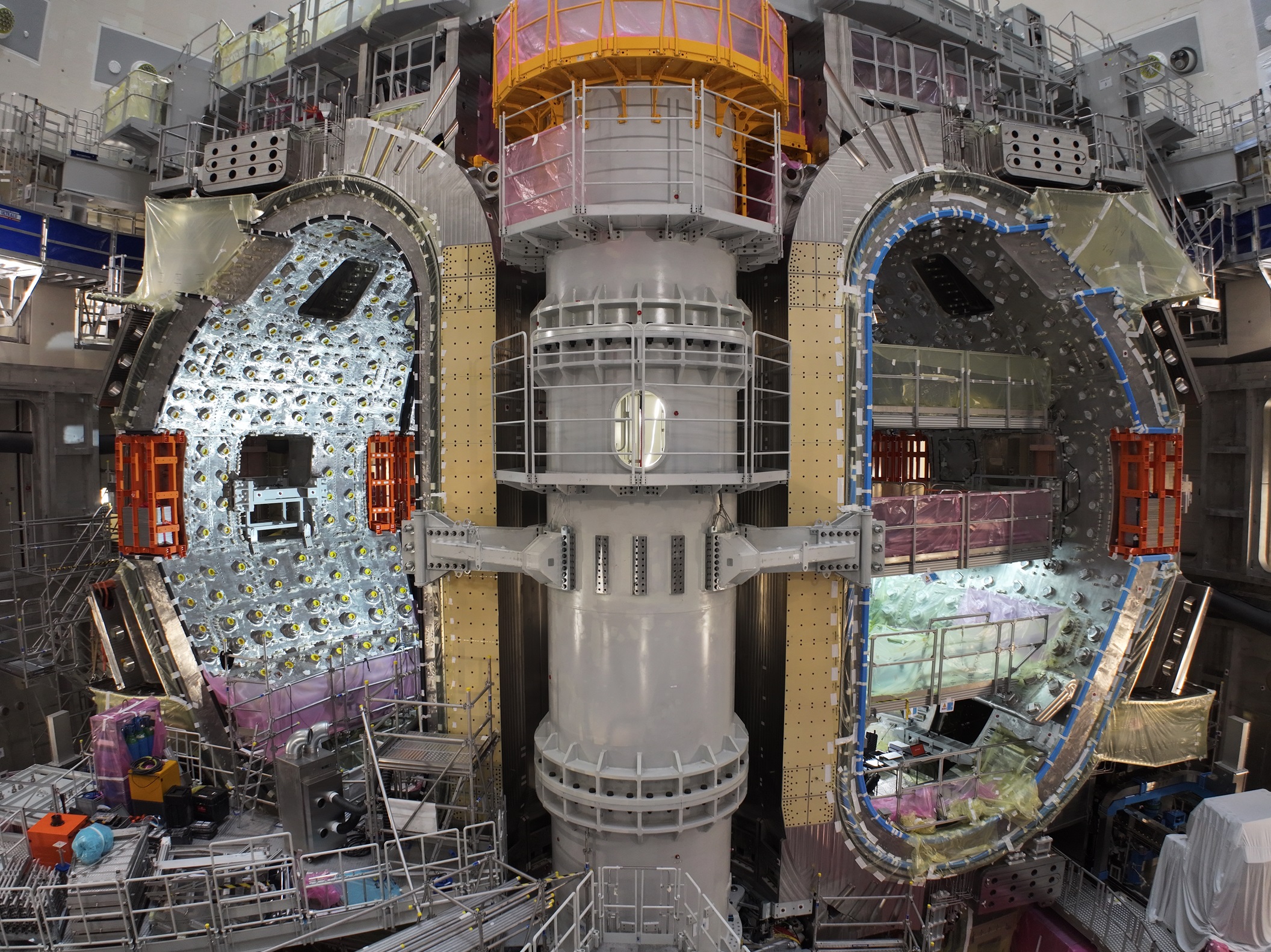
ITER’s vacuum vessel is a large metallic structure designed to provide the first confinement, stabilize the fusion plasma and support the blanket and divertor systems. Its mechanical design is driven primarily by electromagnetic loads, while the pressure loads associated with the coolant fluid in its double-wall structure are comparatively minor and do not constitute a determining factor for structural dimensioning.
In the early phases of the ITER project, the vacuum vessel was classified as Nuclear Pressurized Equipment (ESPN) under French law implementing the European directive. With this decision, ASNR has now agreed that this classification—derived from fission light water reactor practice where pressure is the dominant load—is not appropriate for a fusion device.
“This change will not only be very important for the timely progress of the ITER project but will also contribute to the consolidation of appropriate technical standards for tokamak magnetic confinement fusion devices, including guidelines for maximum allowable defect size during fabrication and welding,” commented ITER Director-General Pietro Barabaschi, who had made this issue a priority shortly after taking office in 2022. “It ensures that requirements remain coherent and proportionate, while fully supporting robust nuclear quality and safety objectives.”
As the first confinement barrier, the ITER vacuum vessel remains classified as a Protection Important Component (PIC) under the French legal framework applicable to nuclear facilities. Accordingly, its design, manufacture, and in-service surveillance remain subject to ASNR oversight within the nuclear safety framework, while the associated technical requirements and quality management program will be adjusted to appropriately address the specific characteristics of the vacuum vessel.
This decision reflects the outcome of a constructive and sustained technical dialogue between the ITER Organization and ASNR aimed at developing a fit-for-purpose regulatory framework and technical standards for fusion facilities.
“Following this very positive decision for the project, we are now organizing the transition away from manufacturing under the pressure equipment directive,” says Gilles Perrier, head of ITER’s Safety and Quality Department. “Our priority is to define and submit to ASNR updated technical criteria and monitoring arrangements for the ITER vacuum vessel.”