Research, engineering and industry converge
The fusion landscape has changed considerably since the Symposium on Fusion Technology (SOFT) last met in France, but the objective remains the same: turning decades of research and technology development into fusion power plants.
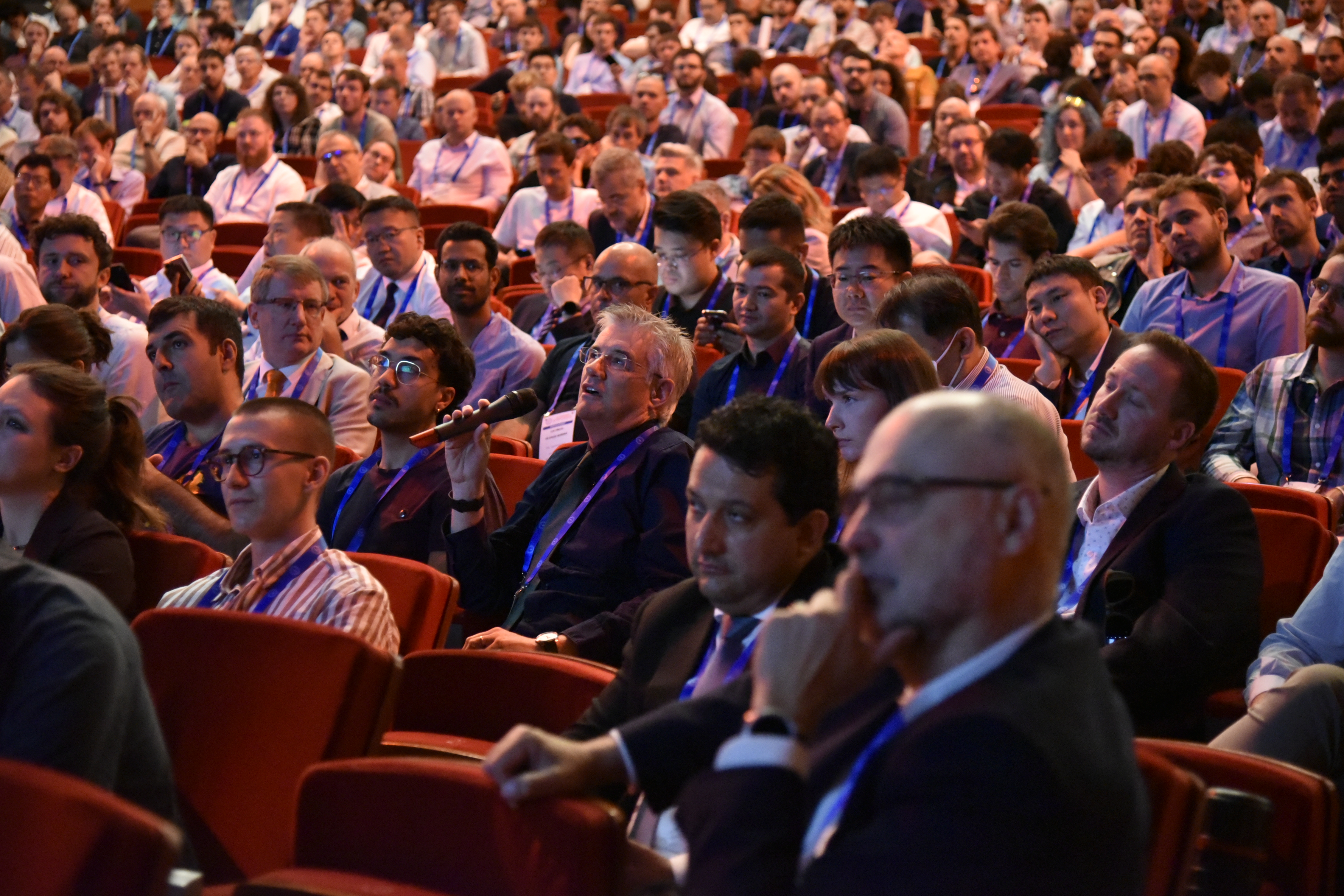
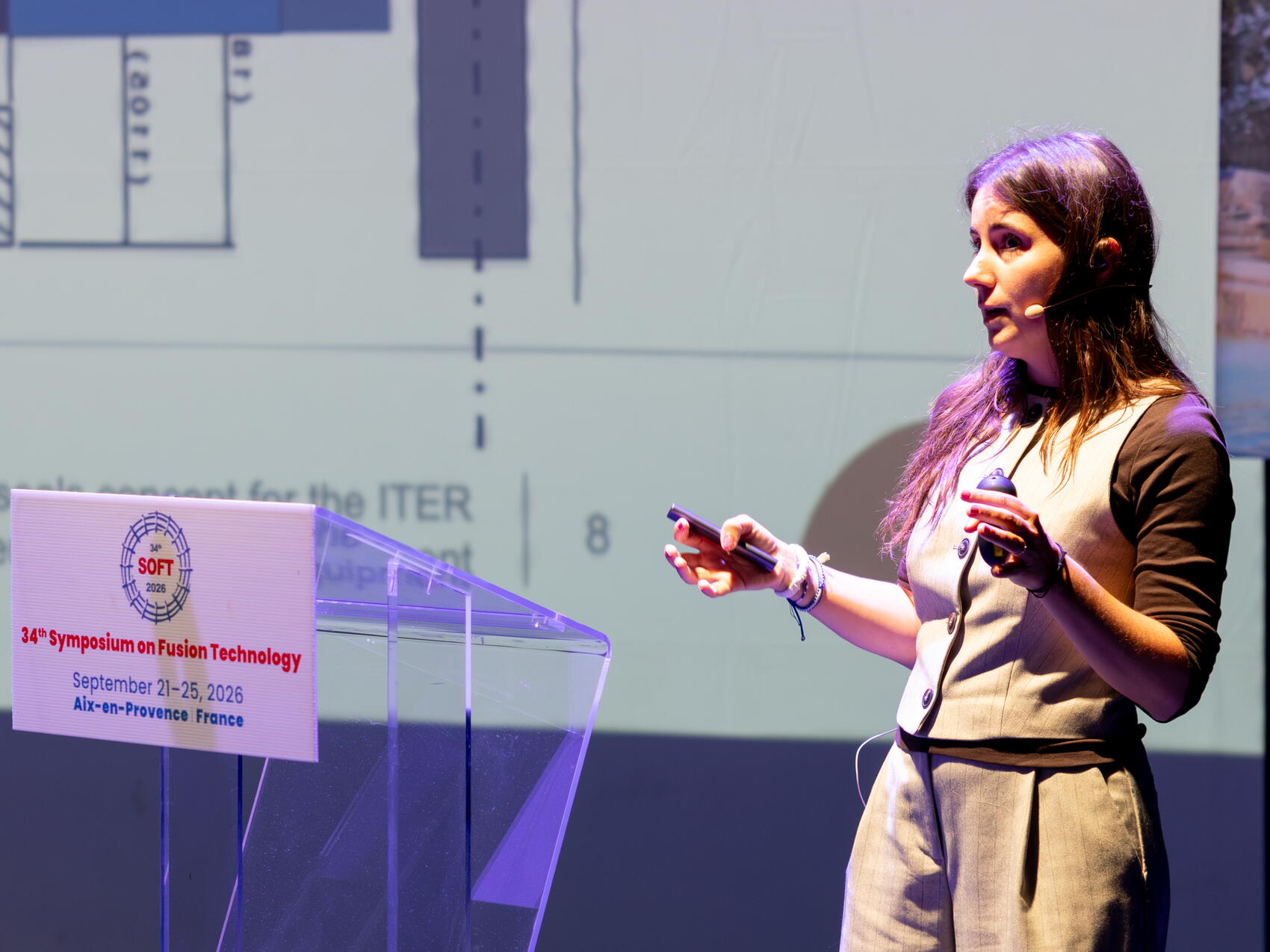
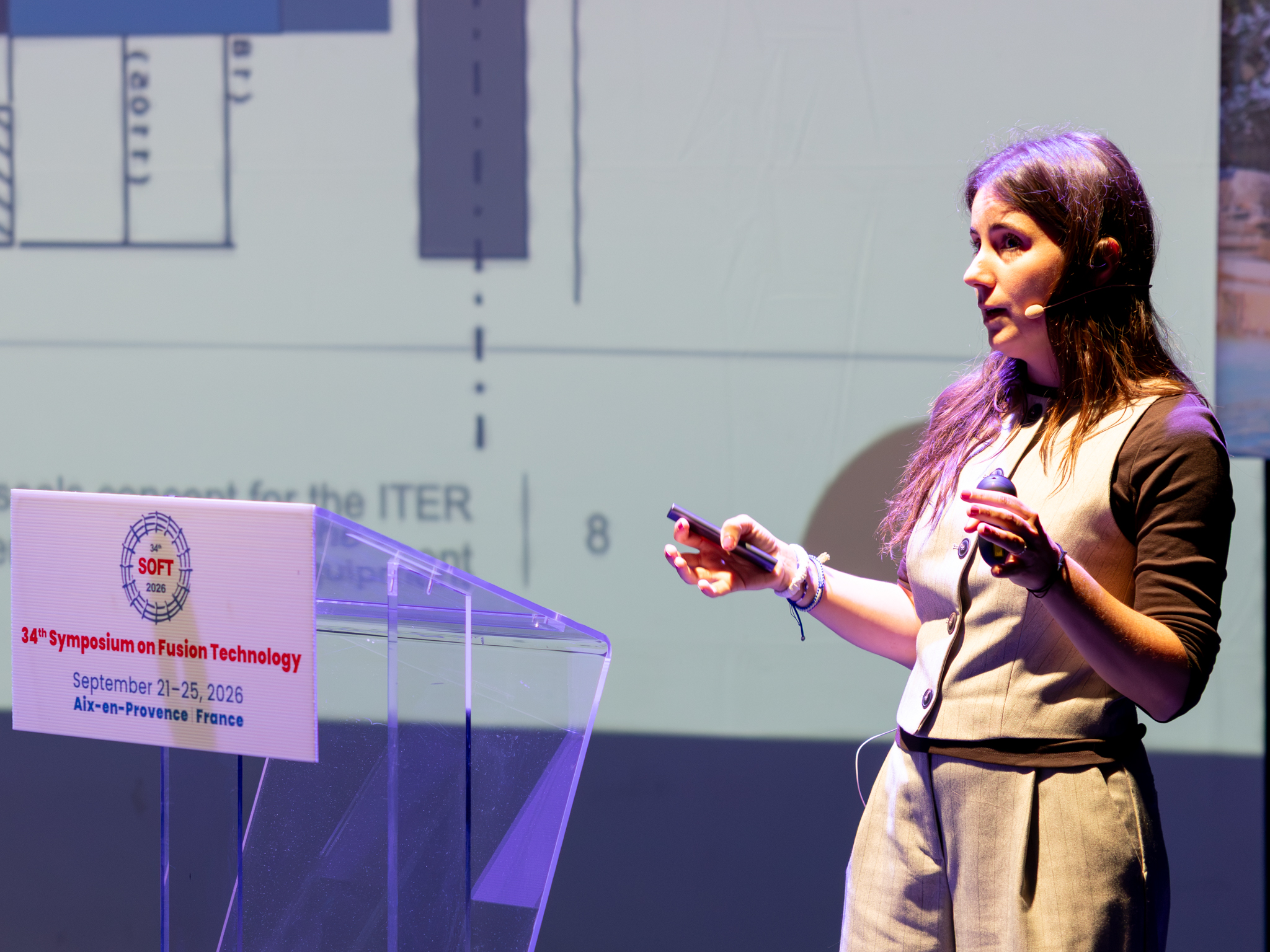
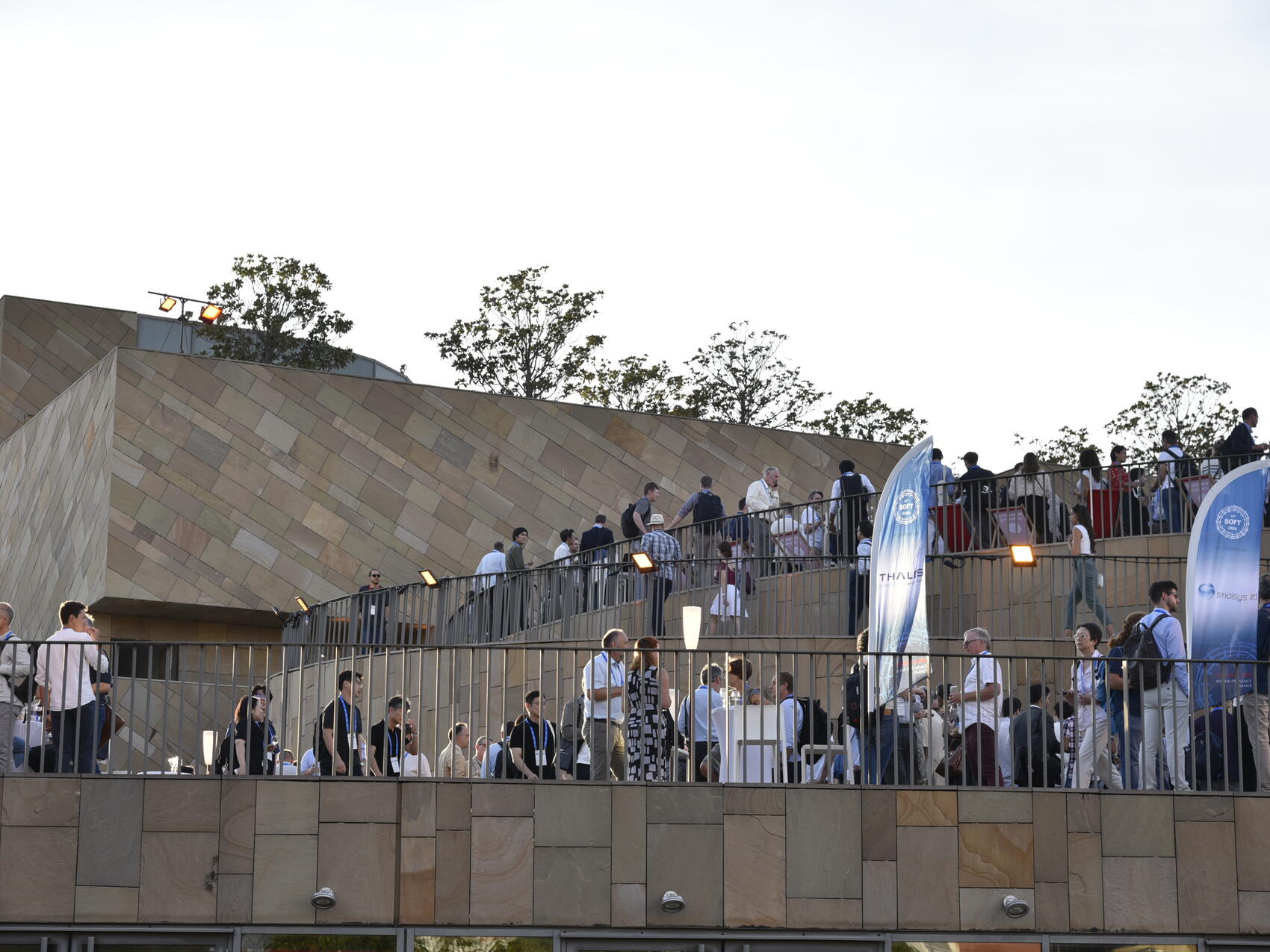
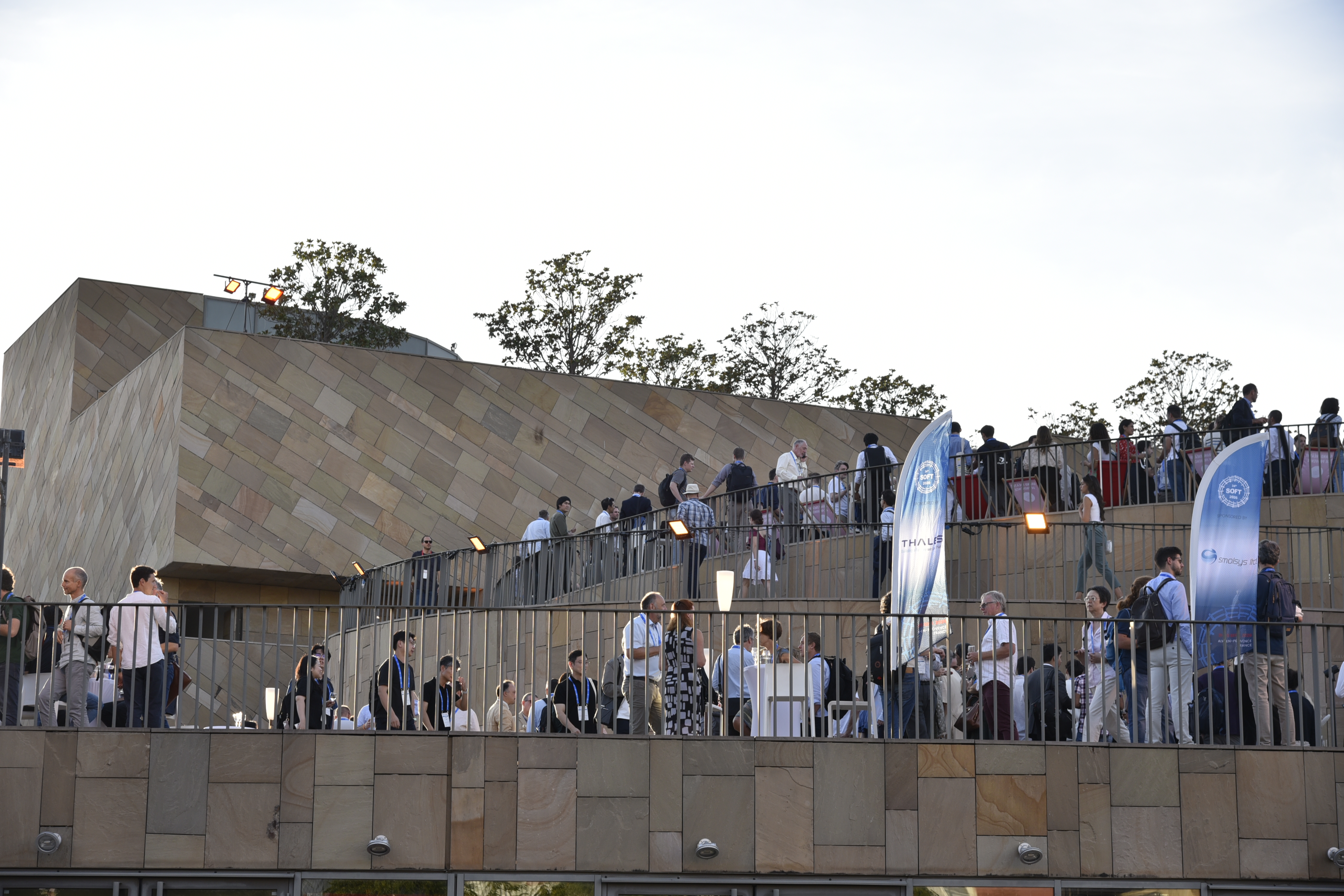
That ambition was front and centre at the 34th edition of SOFT, held from 21 to 25 September in Aix-en-Provence, France, just 35 kilometres from ITER. Organized by the French Alternative Energies and Atomic Energy Commission's Institute for Magnetic Fusion Research (IRFM), the conference brought together 1,200 participants from 29 countries—including an estimated 20 percent of young researchers—for five days of exchanges about the technologies that will underpin future fusion machines.
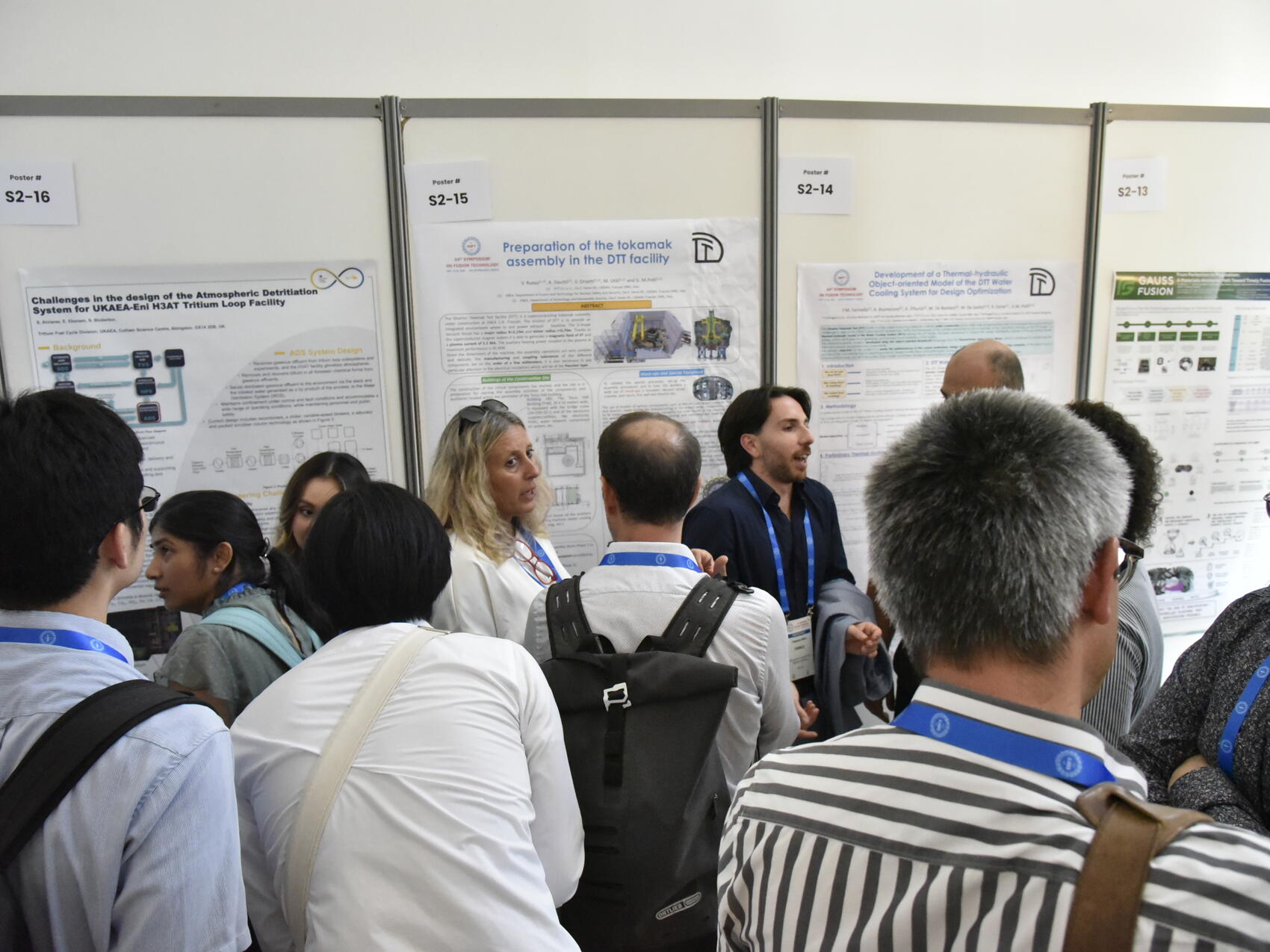
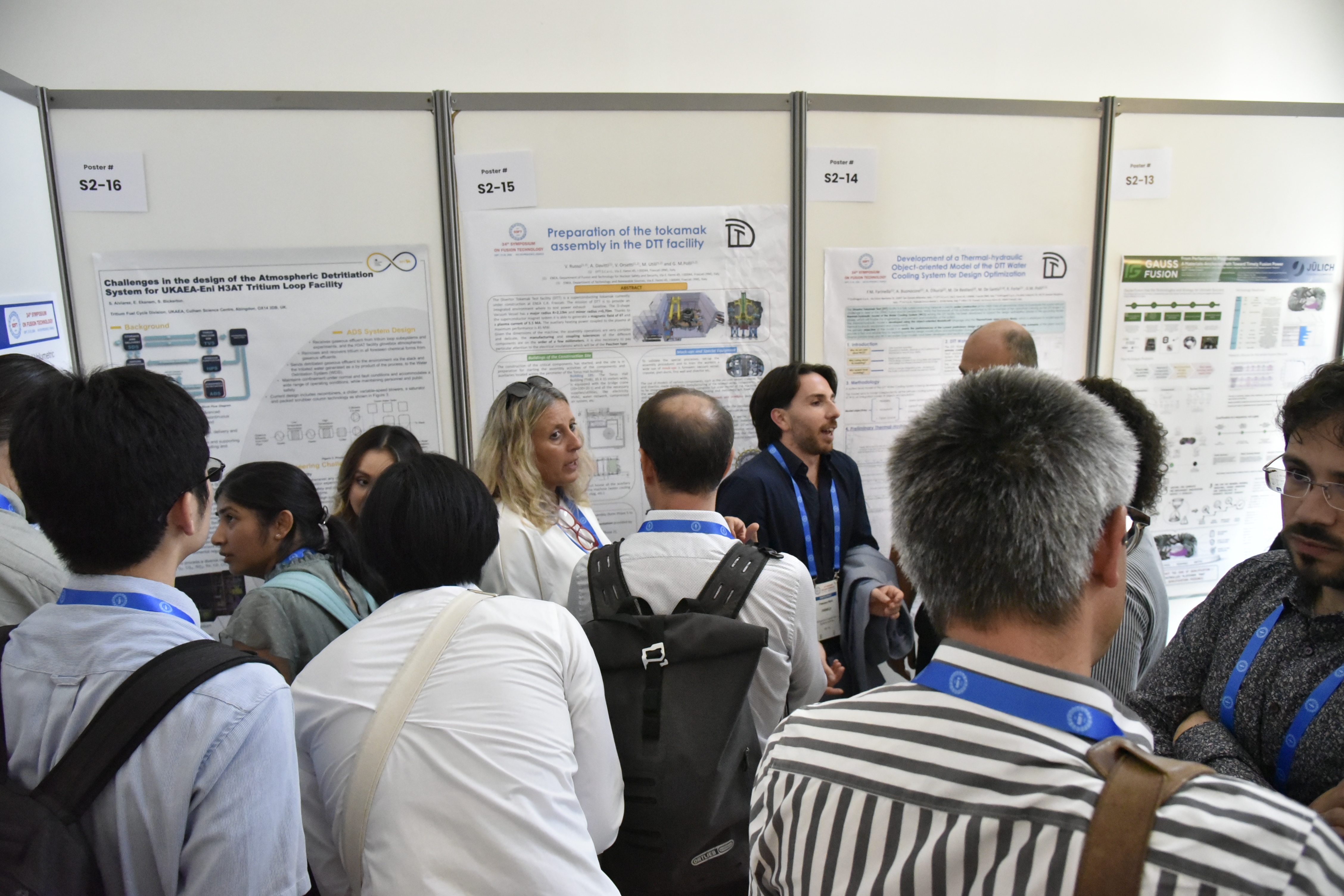
“Research, Engineering, Experimentation, Industry, Innovation” was the motto of SOFT 2026, reflected in a program of 84 thematic talks, 800 posters and 13 plenary presentations. Many operating facilities were represented, such as WEST, Wendelstein 7-X, JT-60SA, KSTAR, ASDEX Upgrade, EAST and DIII-D, while projects under construction or development were also featured, including ITER, IFMIF-DONES, STEP, SPARC and DTT. Twenty-five industrial exhibitors provided another indication that the fusion ecosystem increasingly extends beyond research laboratories.
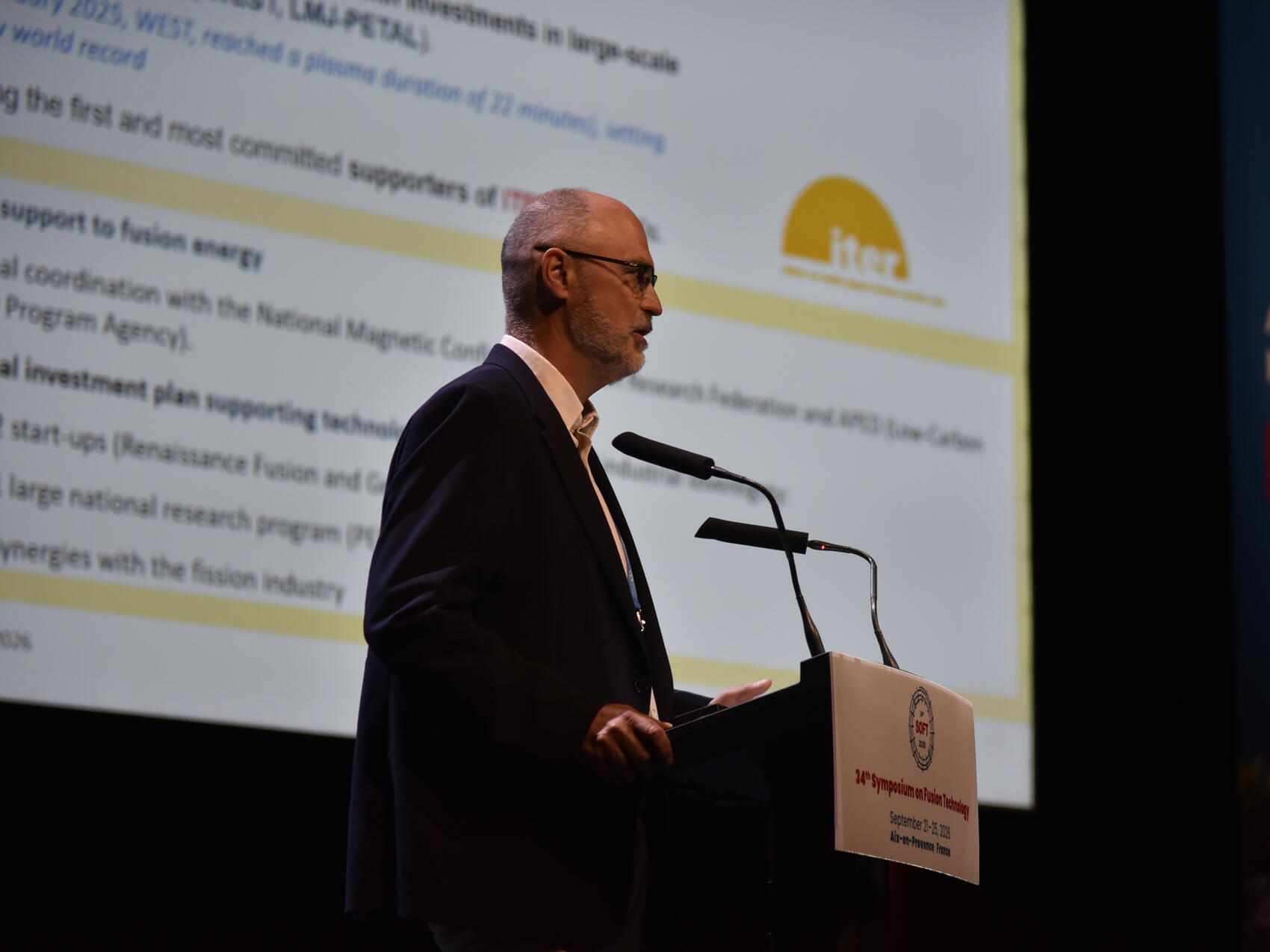
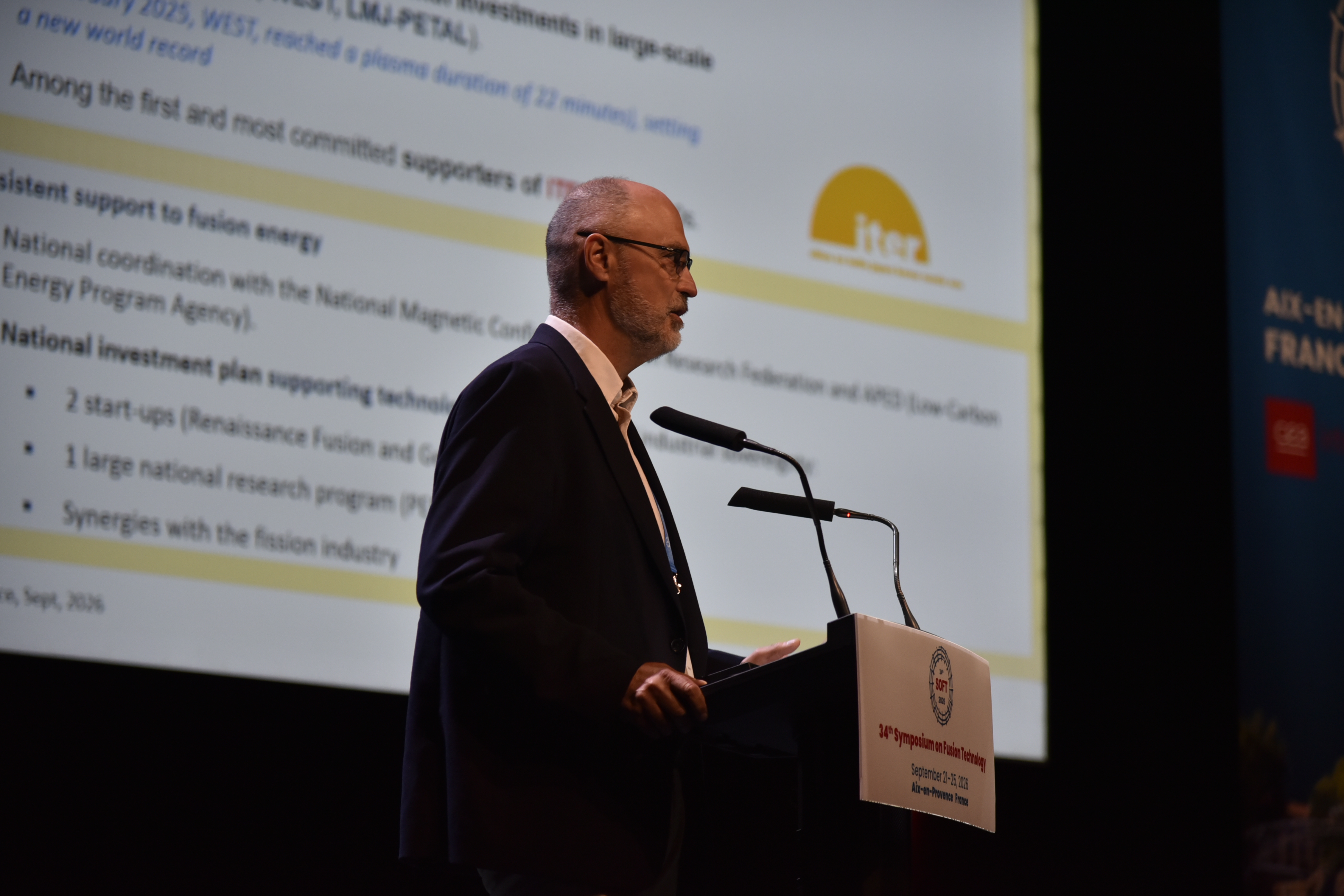
“Clearly, fusion is having a moment,” said Michael Houry, chair of the conference’s International Organizing Committee, as he welcomed participants on Monday morning. Alongside established public programs, he noted, significant private investment and new approaches have entered the field. But the ultimate challenge is shared: “The goal is to transform all of this extraordinary technology into fusion power plants.”
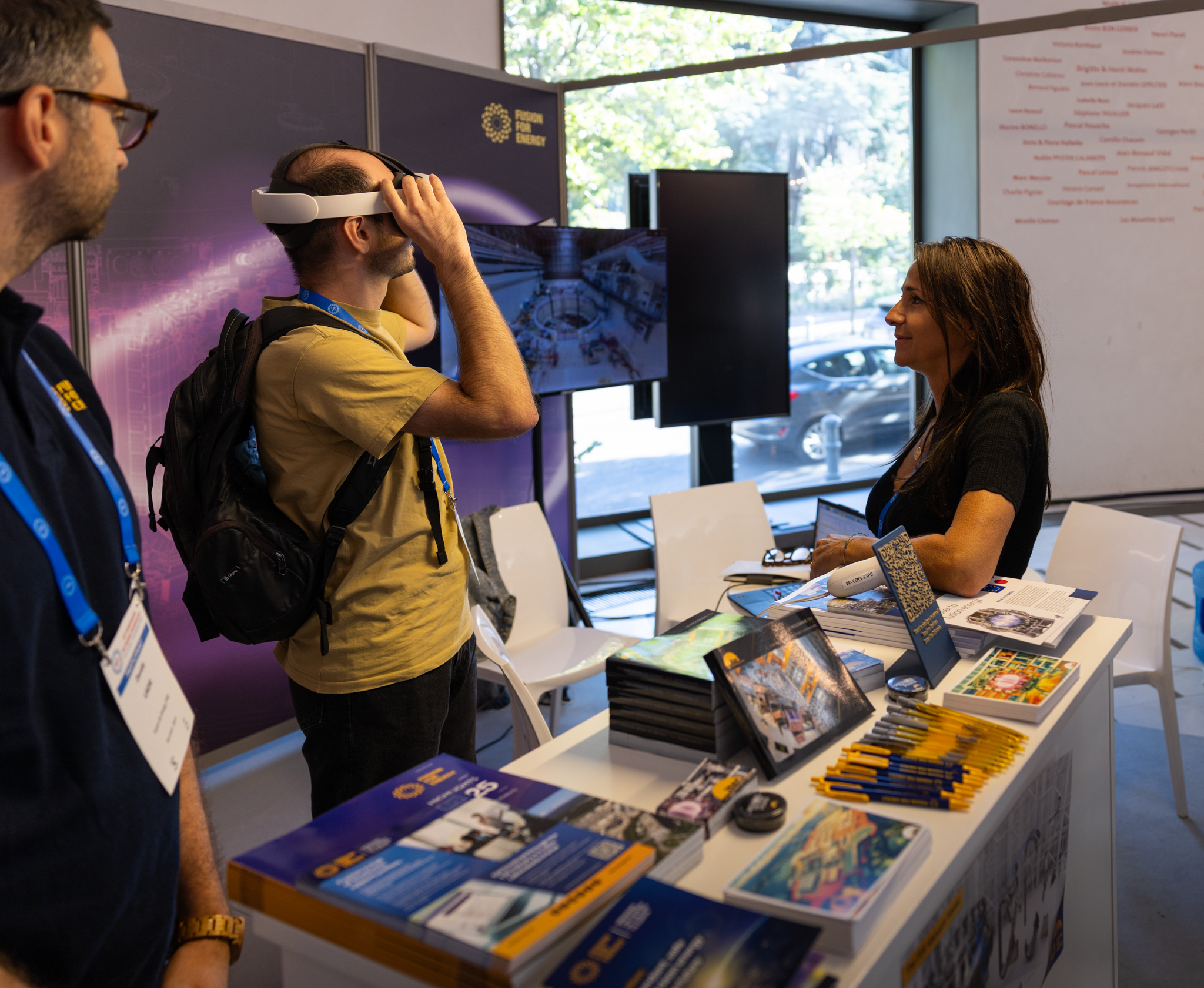
For ITER Director-General Pietro Barabaschi, who delivered an ITER status update during the opening session, ITER has an important role to play on the way to fusion power. He reported that the project had gained six months against its Baseline schedule, completed the repair of key machine components, and was targeting the installation of the final vacuum vessel sector module in April 2027.
But his message extended beyond project progress. ITER, he stressed, is integrating technologies and accumulating experience that can serve the wider fusion community—particularly as the project moves progressively toward commissioning. Results from the testing of ITER's toroidal field coils is one example of the kind of learning that can come from ITER assembly and commissioning. Another is ITER's work with the French nuclear regulator to develop criteria and monitoring arrangements for the vacuum vessel that are better adapted to the specific characteristics of a fusion device.
With competition increasing across the fusion sector, Barabaschi argued for a healthy balance between competition and collaboration—and for openness about the challenges that remain. “I’m for not creating excessive expectations,” he told participants, urging the community to consider carefully how fusion technology is presented to the public.
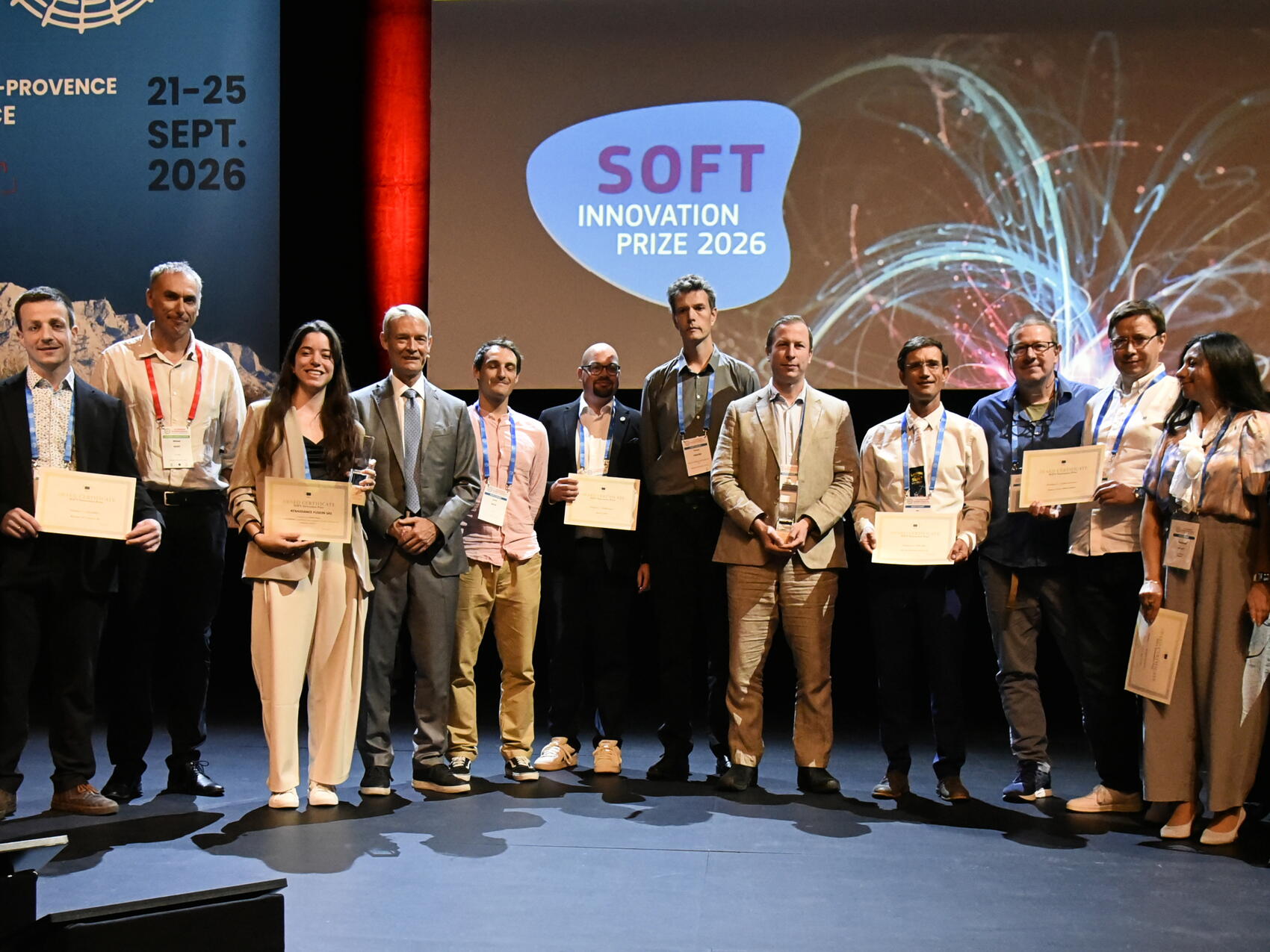
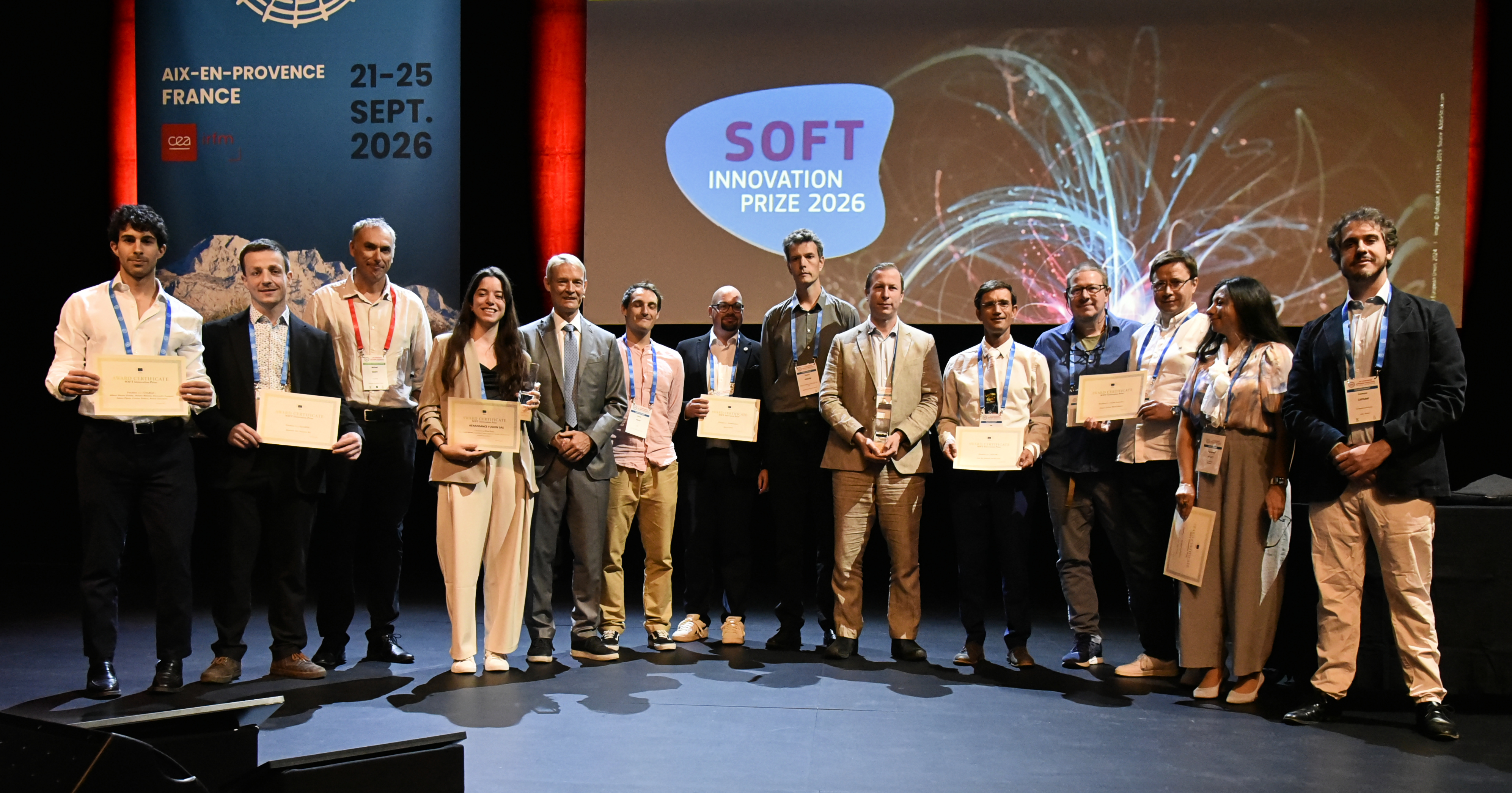
The expanding role of industry was another strong theme of SOFT 2026. A dedicated session examined opportunities and challenges for the fusion supply chain, while the annual SOFT Innovation Prize recognized technologies with potential applications both within and beyond fusion.
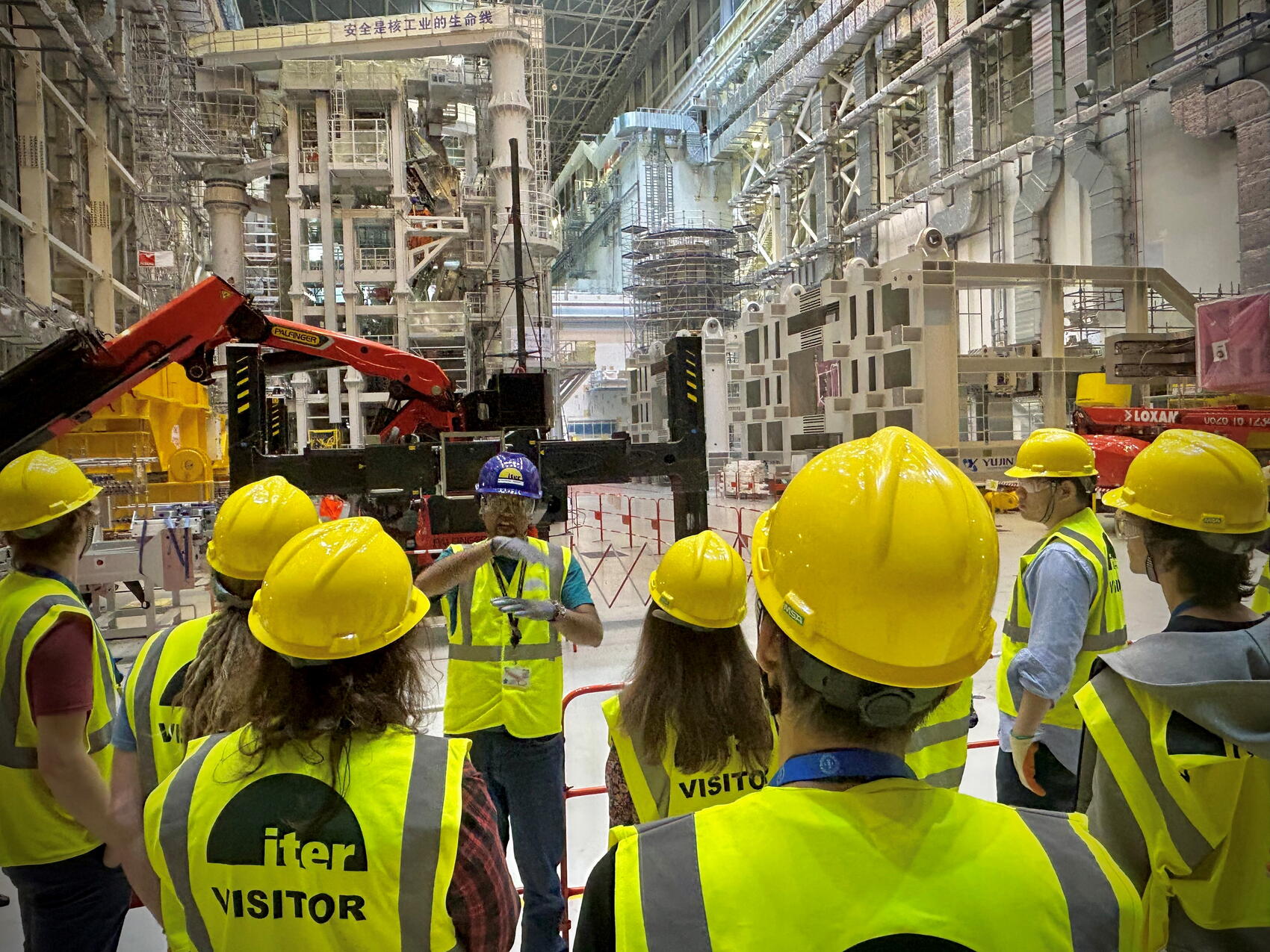
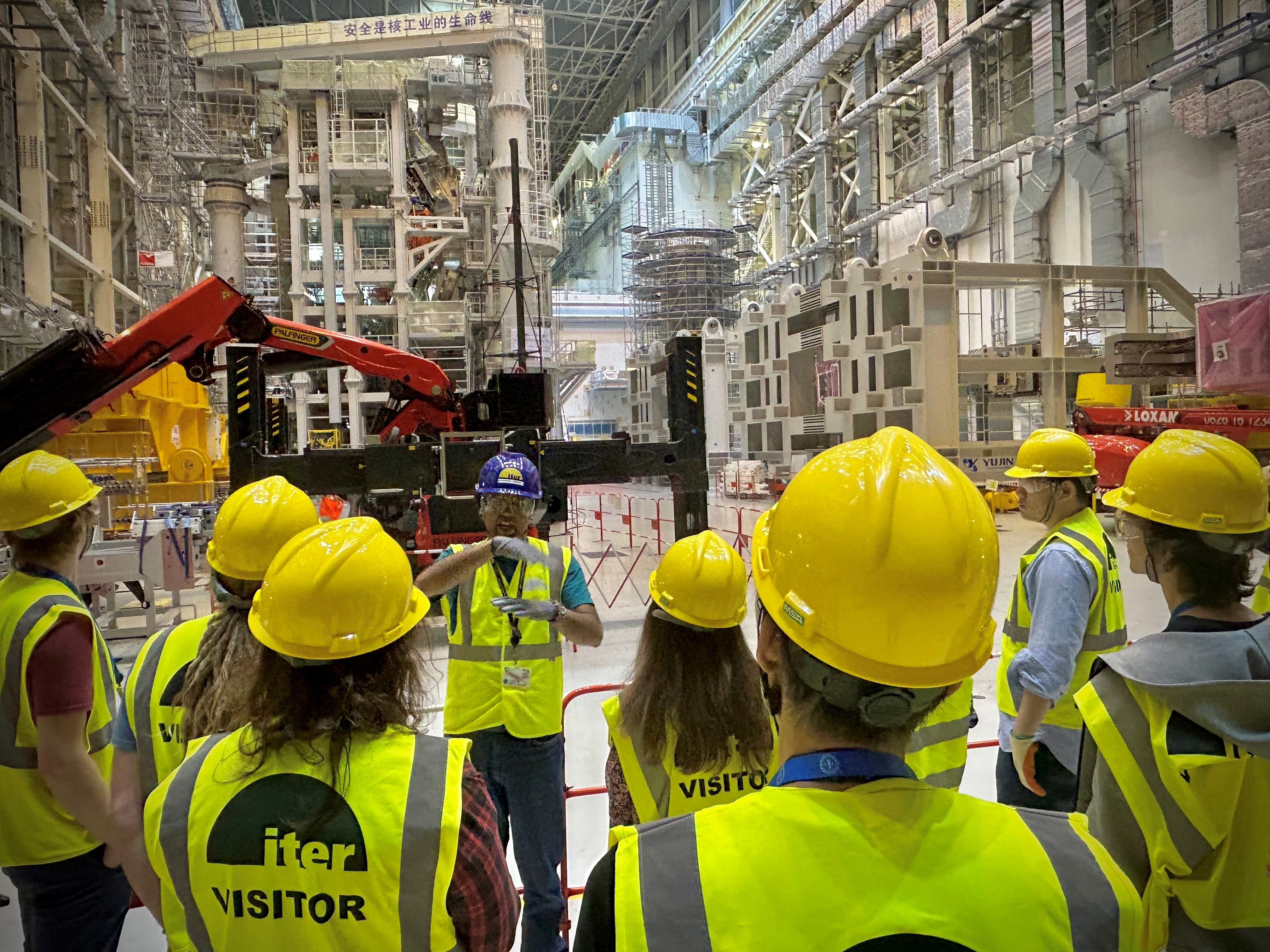
And with the ITER and WEST projects just a bus trip away, conference participants had the opportunity during the week to connect discussion with reality.