A little science, a lot of curiosity
From marshmallows in a vacuum chamber to virtual visits to the construction site of the world's largest tokamak, ITER volunteers had plenty to share with visitors at local Fête de la science events this month.
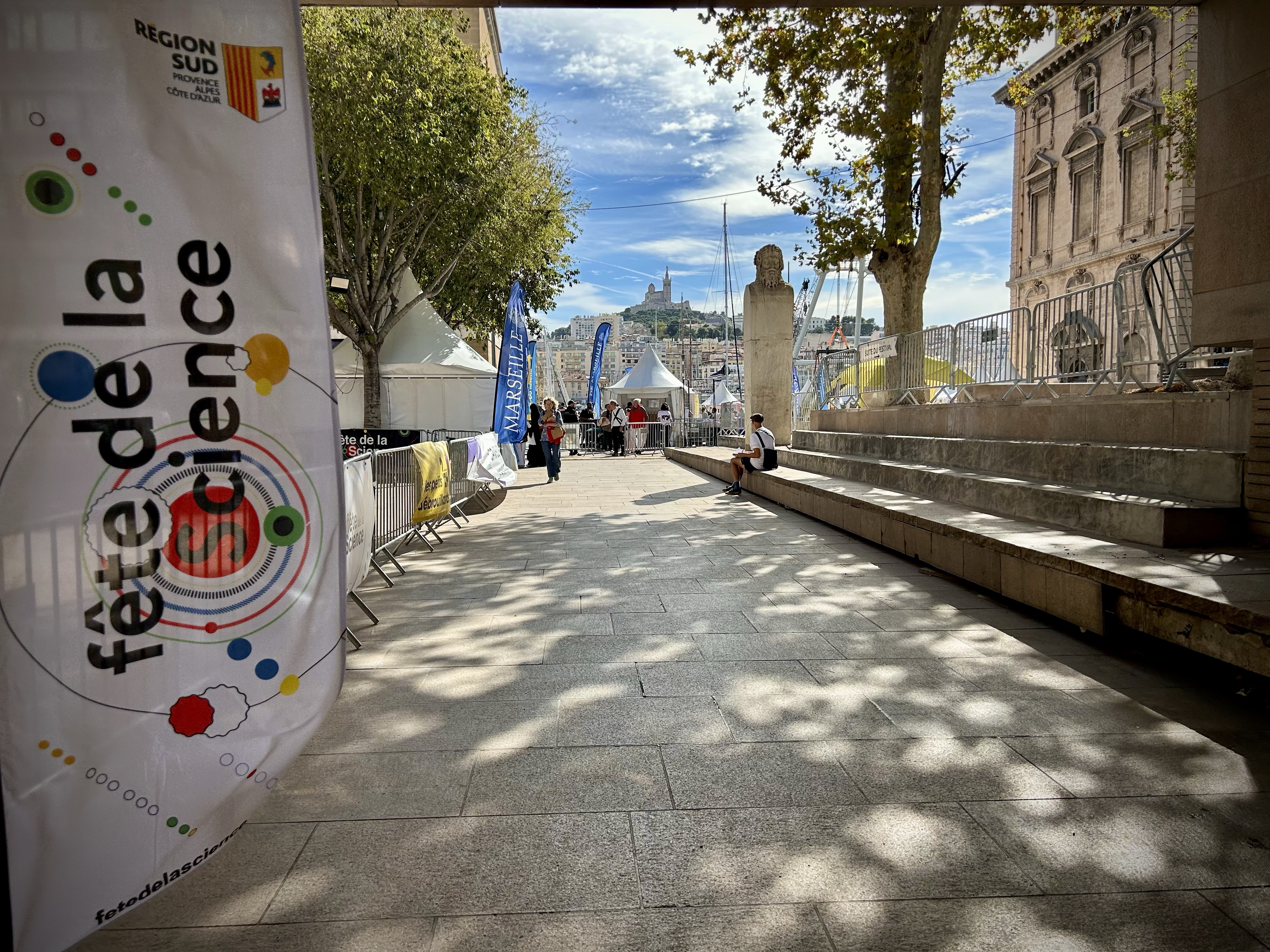
Every October in France, science leaves the laboratory and heads out to meet the public. Across the country, the annual celebration of science (Fête de la science), transforms municipal halls, cultural centres and other public spaces into places of discovery, where experiments are encouraged and no question is too simple.
For ITER, a regular participant since 2011, it is an opportunity to bring fusion science into the public sphere.
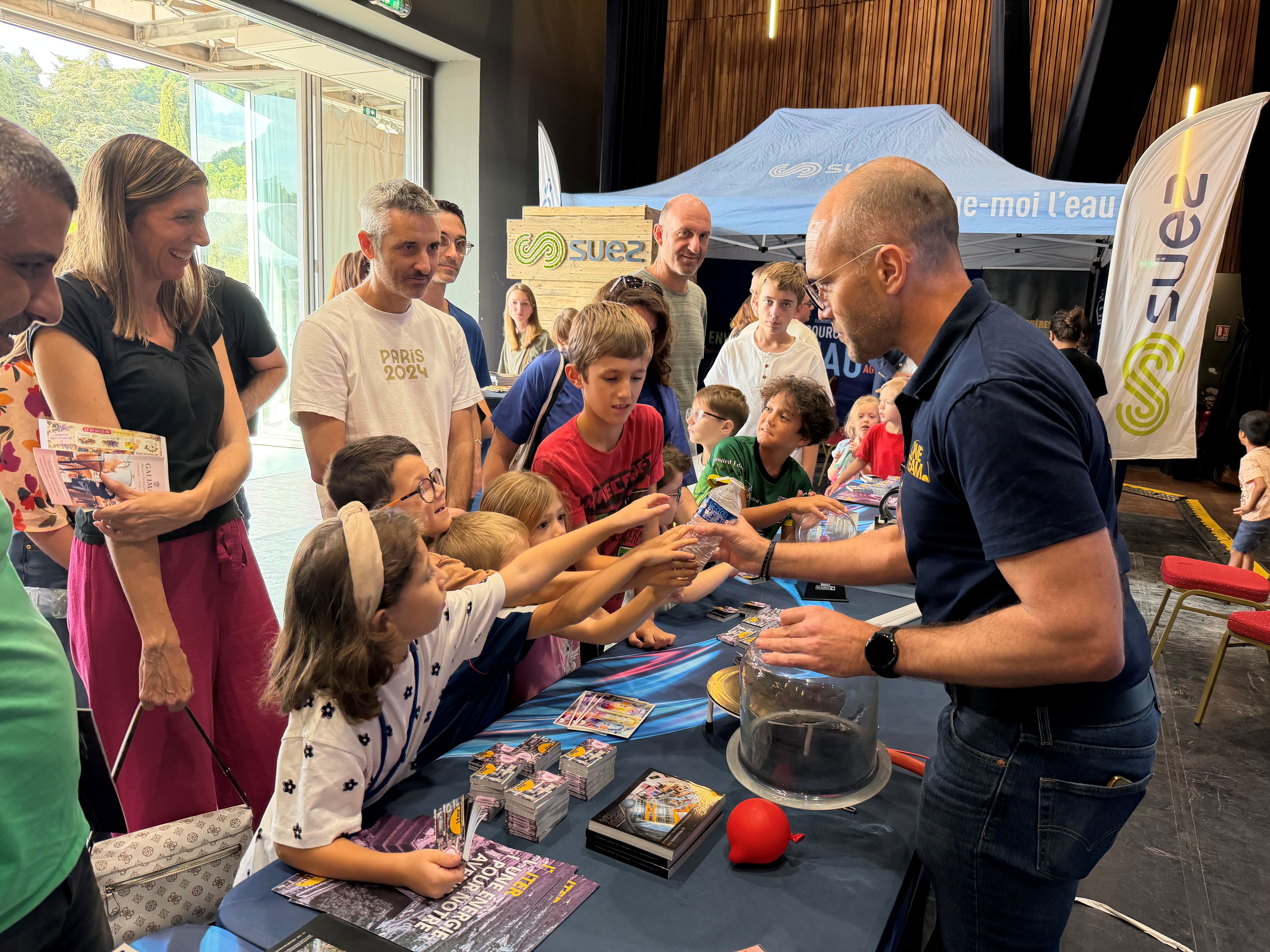
This year, volunteer teams travelled to Villeneuve-Loubet (3-4 October), Manosque (8-10 October) and Marseille (10-11 October), joining events that attracted an estimated 15,000 visitors in total.
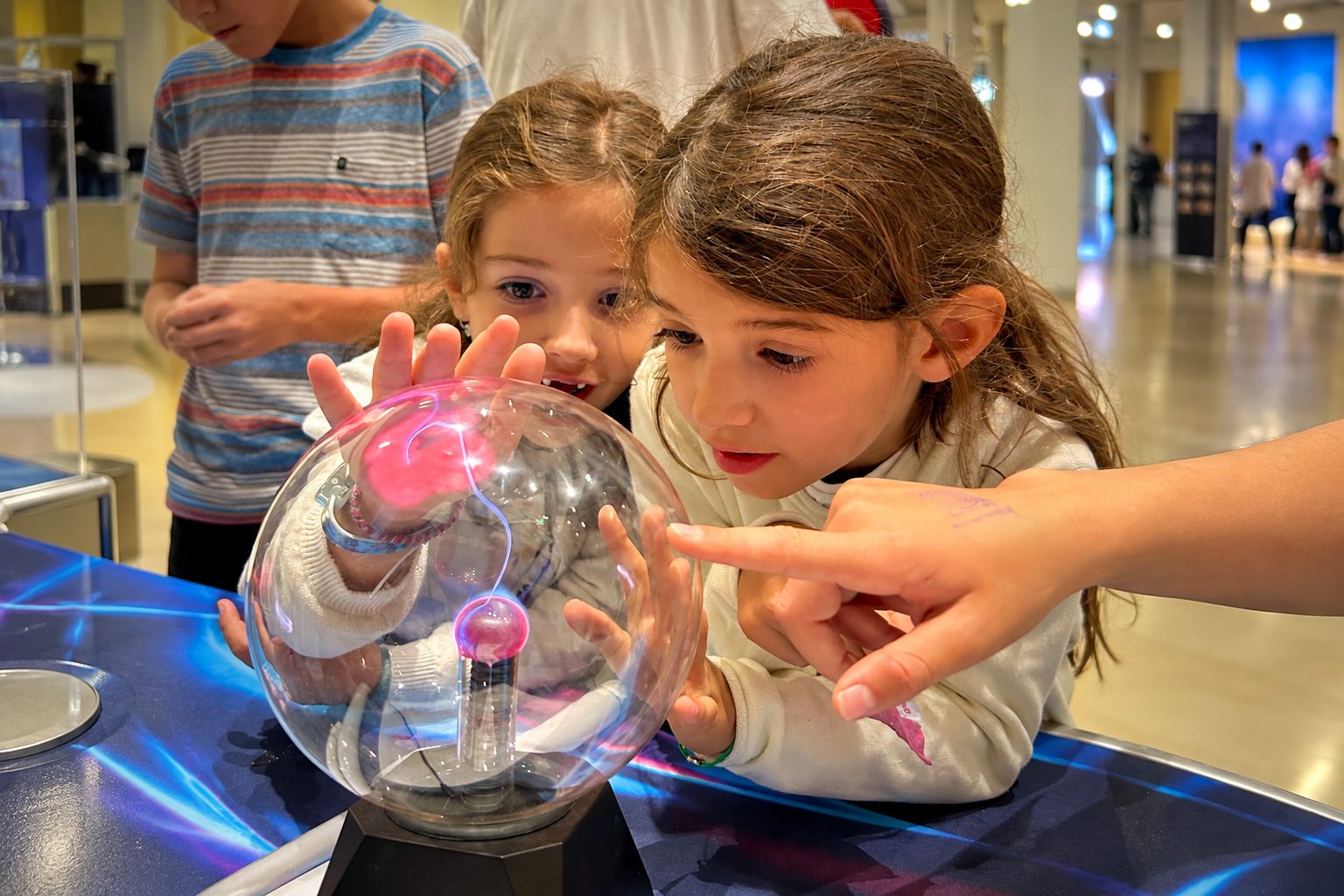
At the ITER stands, there was something for every age and level of curiosity. Virtual reality headsets transported visitors to the ITER worksite and inside the machine in construction, while a 3D-printed tokamak helped volunteers explain how fusion will work. Relatable demonstrations of electromagnetic fields and plasma drew curious crowds. And the ever-popular vacuum chamber experiment showed what happens to an ordinary marshmallow when the surrounding air is pumped out. (Spoiler: it doesn't stay “ordinary” for long.)
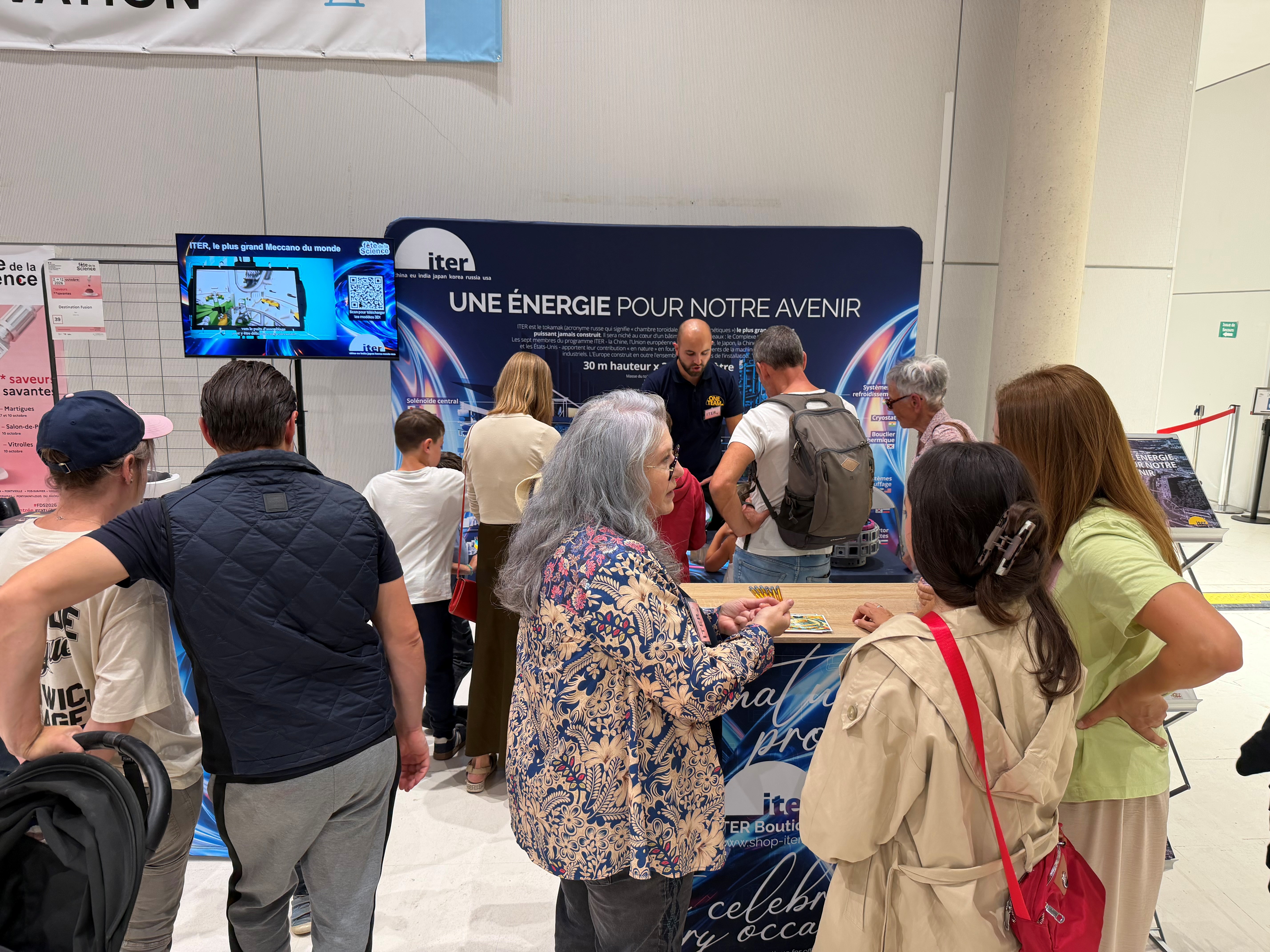
Between demonstrations, visitors had plenty of questions about ITER, fusion energy and the progress of machine assembly. Some were discovering the project for the first time; others were returning to hear the latest news from the construction site.
Postcards, flipbooks and ITER pens provided a little something to take home—along with, hopefully, a new understanding of fusion and an appetite for more science.
For the volunteers, the reward was in the exchanges: the questions, the surprises, and the enthusiasm of visitors young and old. After all, sometimes the best way to explain the science behind the world's largest fusion experiment is to start with something as simple as a marshmallow.