A tight squeeze
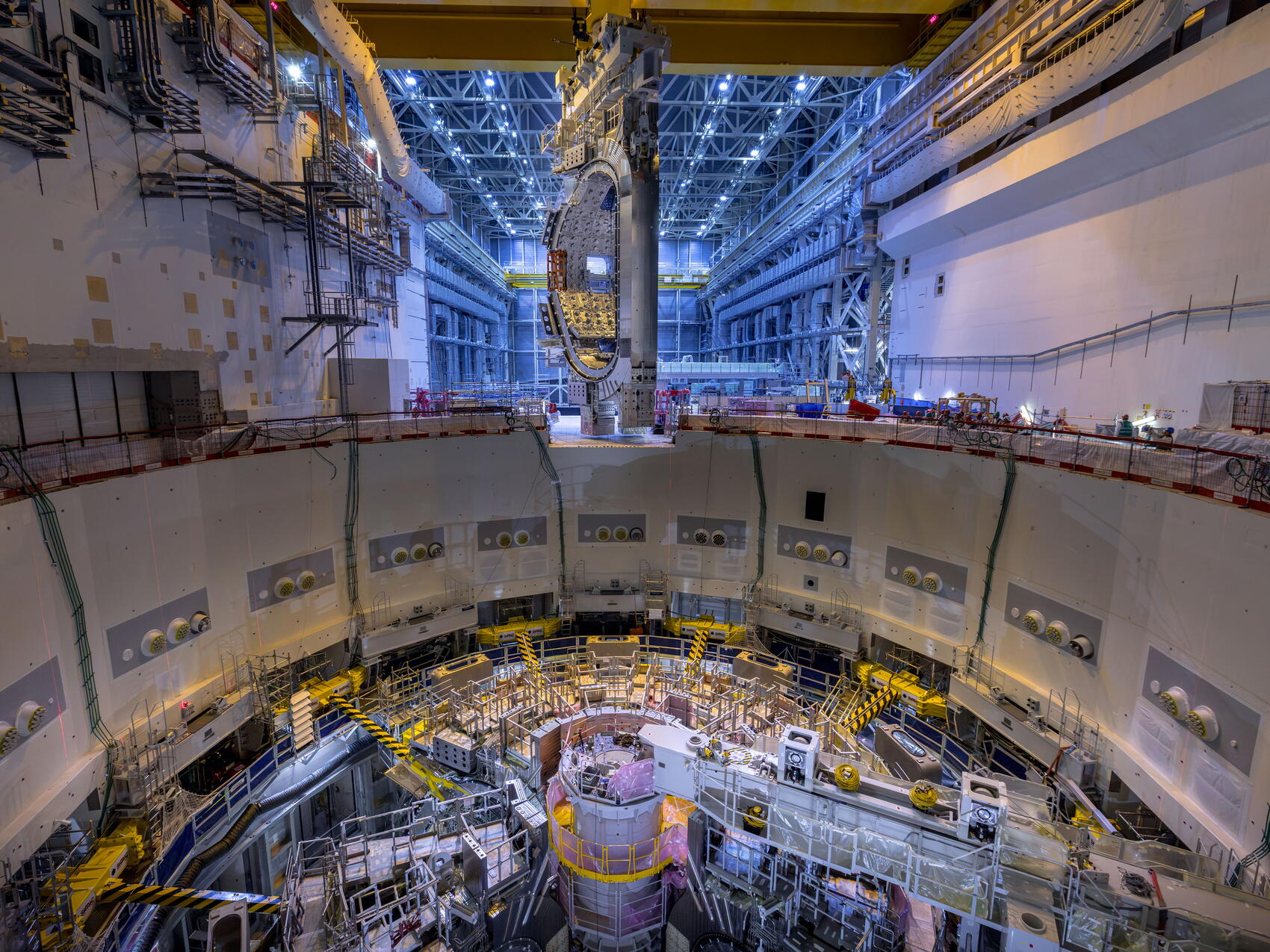
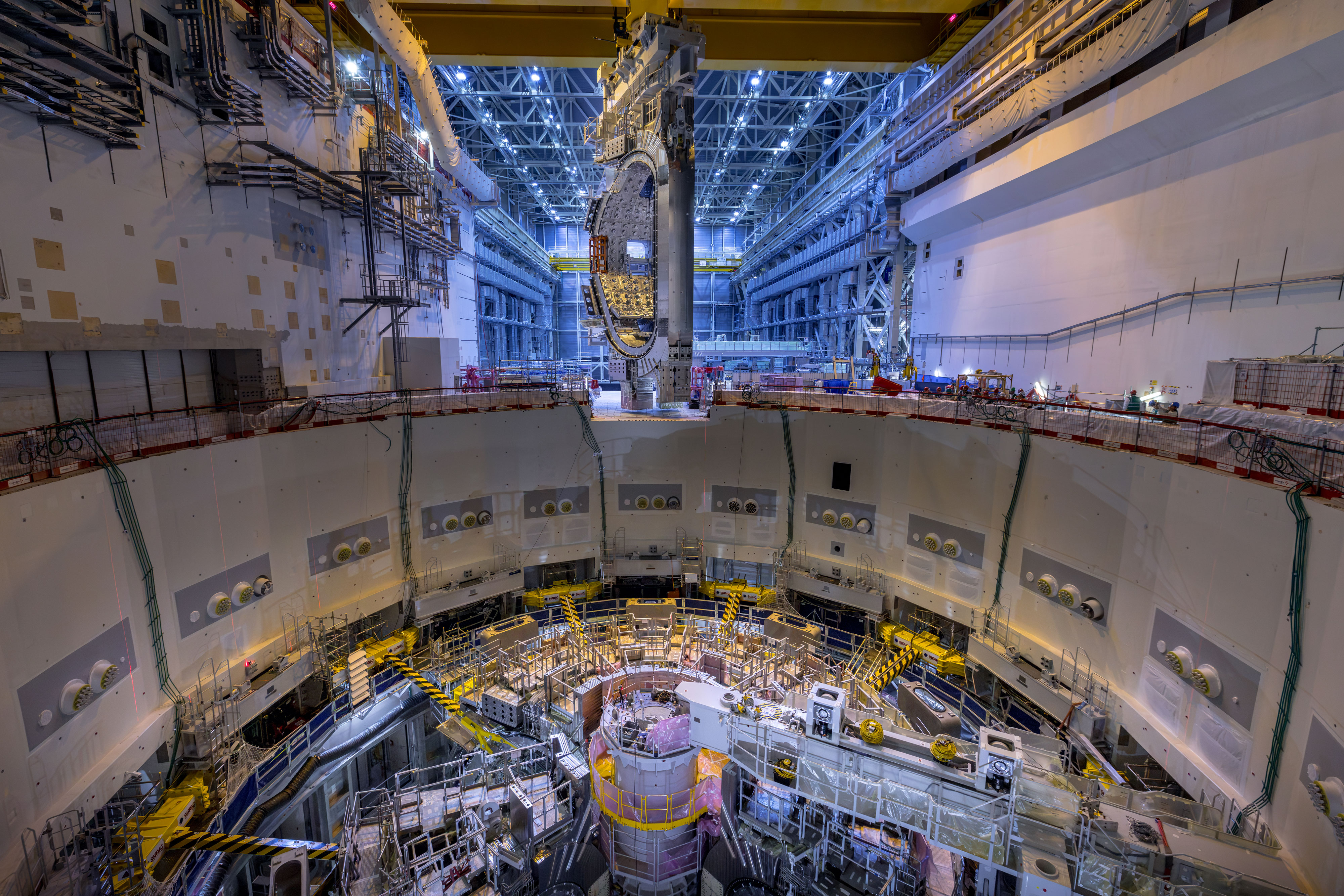
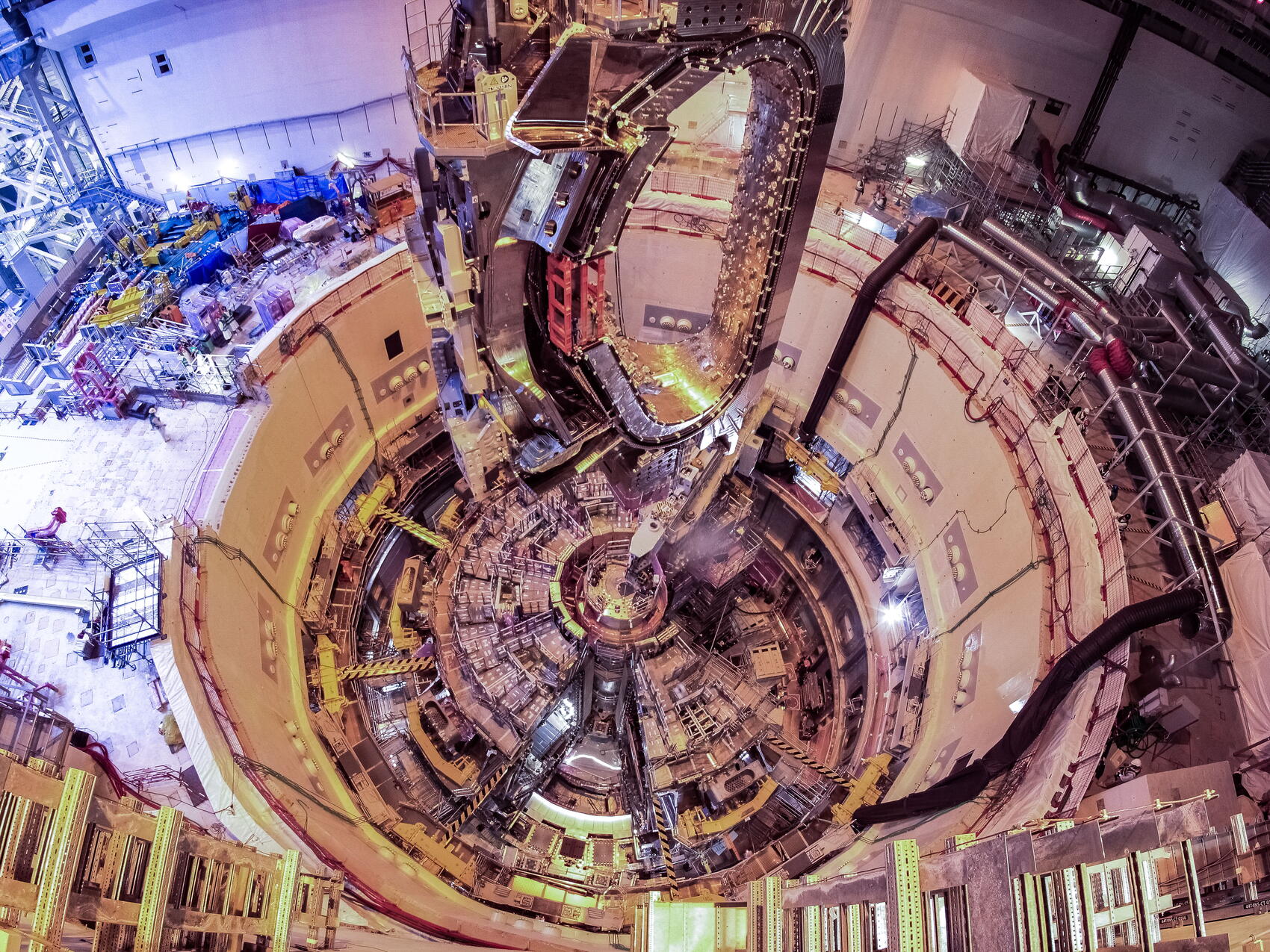
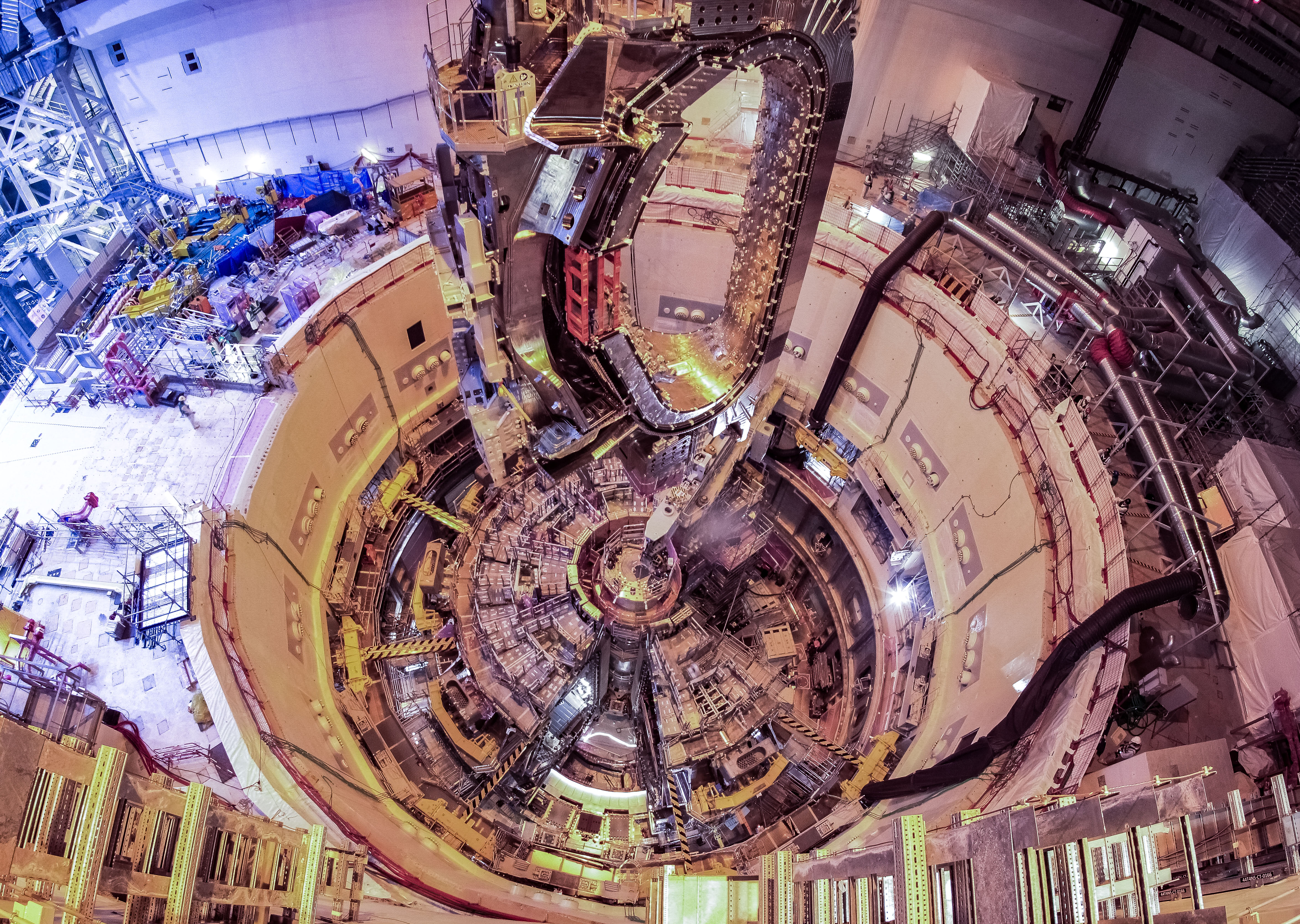
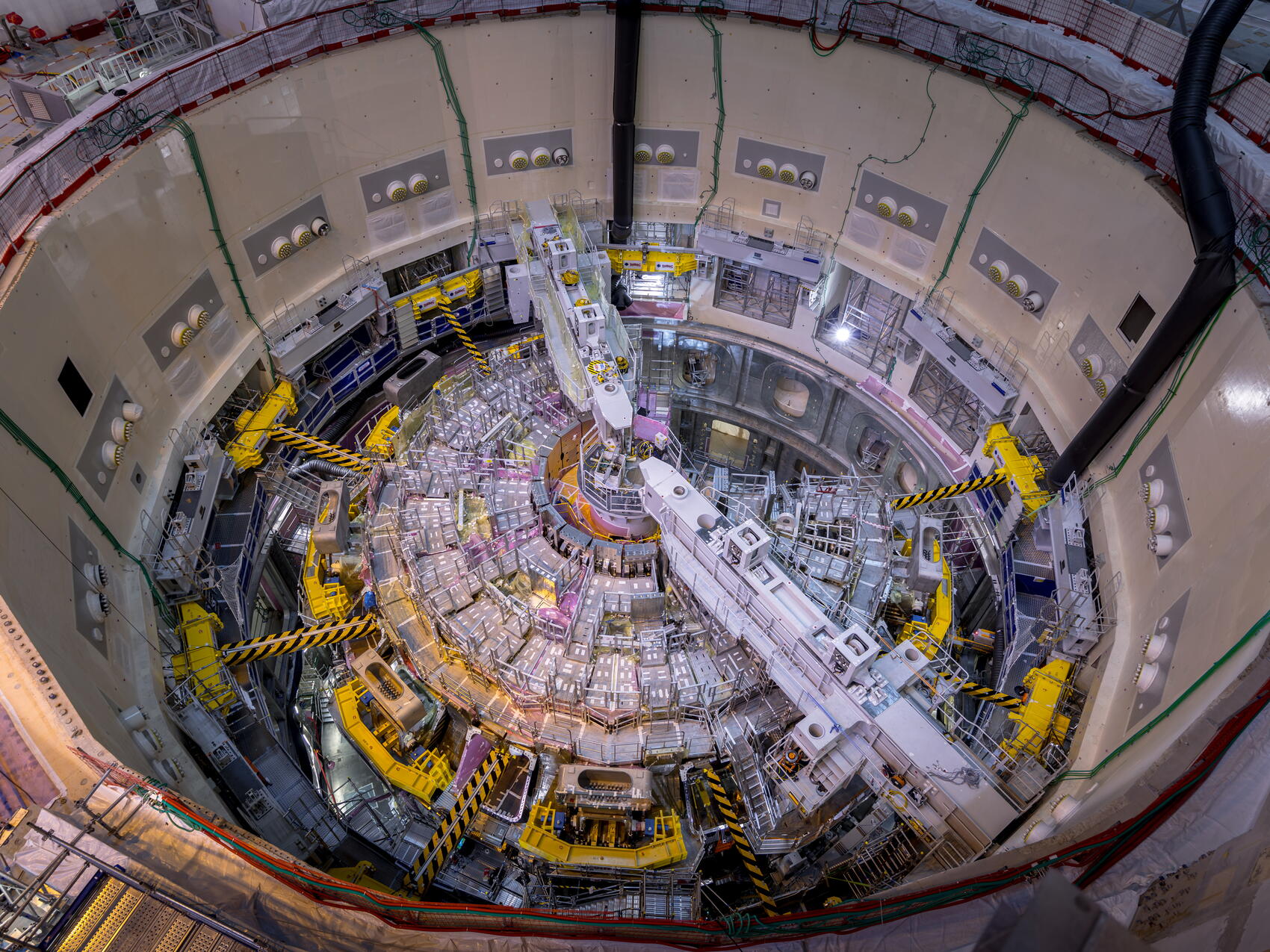
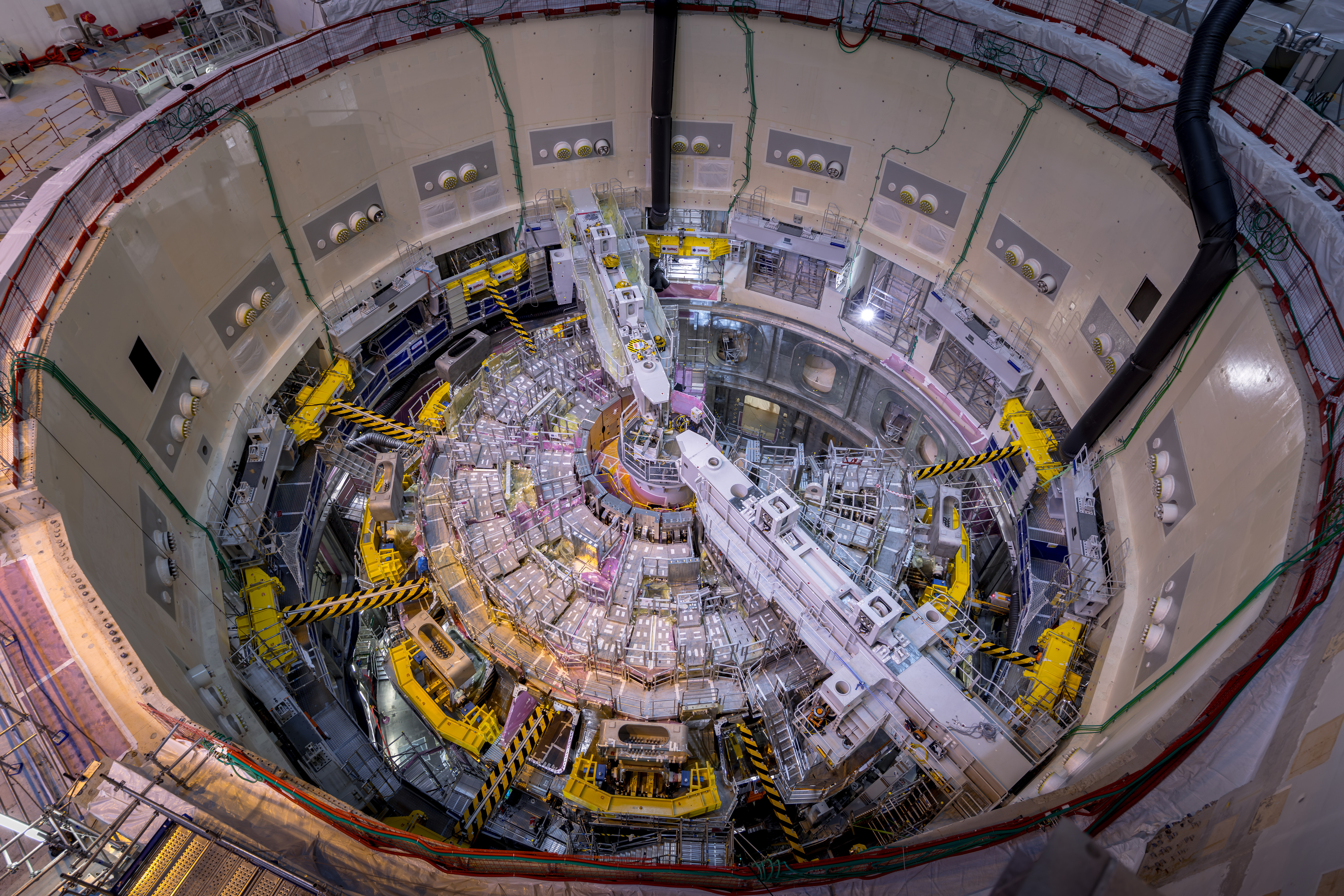
For the first time, ITER has inserted a tokamak sector module between two others already installed in the pit. The crew guided the nearly 1,400-tonne load into position with less than five centimetres of clearance on either side at the tightest points. Seven of the nine modules are now in place.
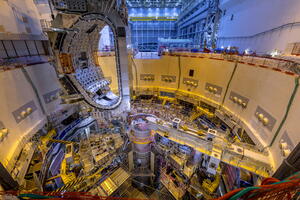
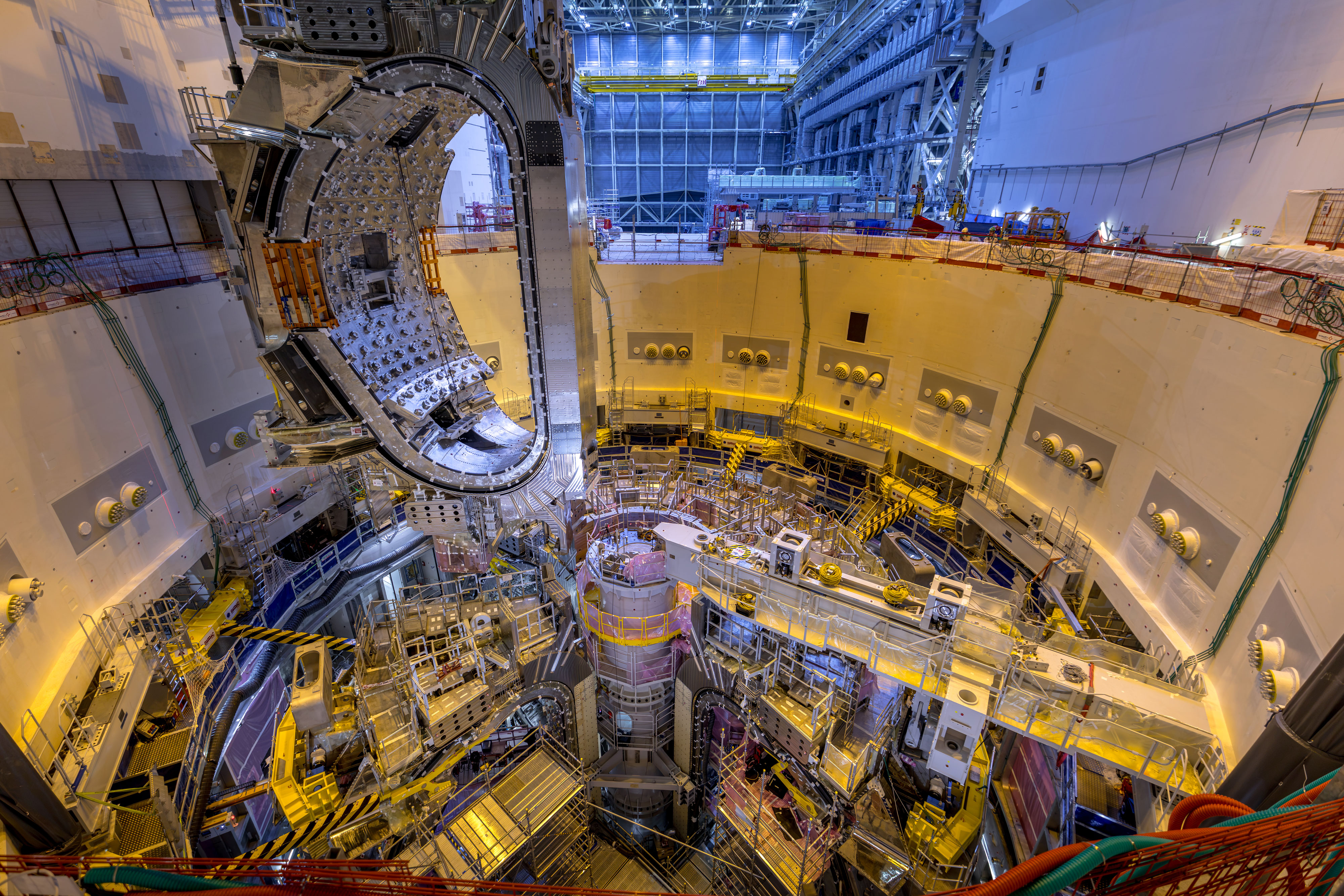
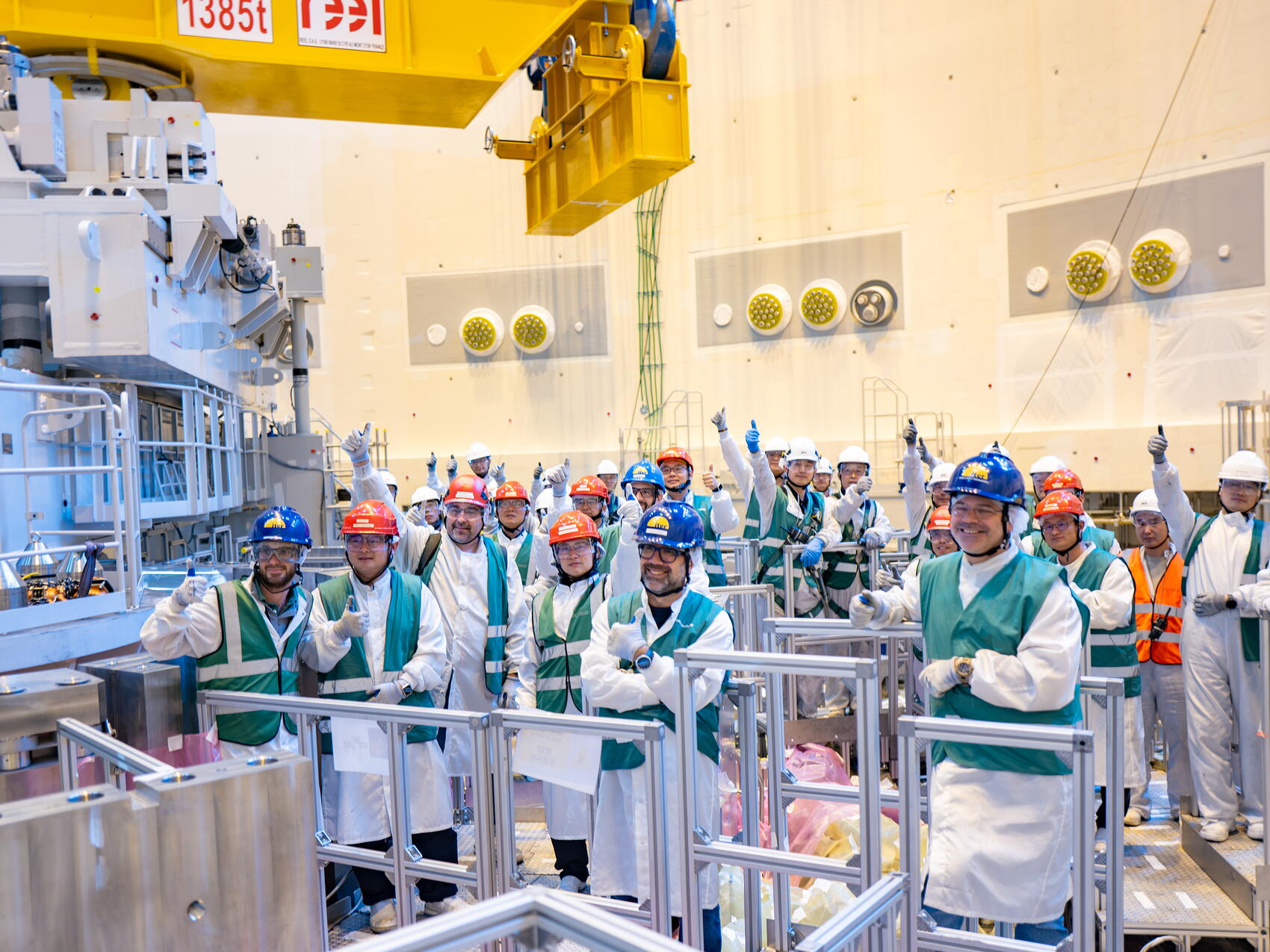
Imagine manoeuvring a 1,400-tonne car into a parking space with barely a golf ball's width to spare on either side. That was the scale of the challenge facing ITER's assembly teams as they installed the seventh tokamak sector module on Thursday 26 November. The 24-hour operation pushed the teams to new levels of precision.
“I’m very proud of everyone who got us to this point,” said ITER Assembly Installation Program Manager Jens Reich. “It was a technically challenging operation that keeps us ahead of the Baseline 2024 schedule and gives us confidence we will have all the tokamak sector modules installed by early spring 2027.”
The latest operation involved lowering sector module #9 between sector module #8 and sector module #1 (the modules are numbered for their position in the tokamak pit, not for their order of installation).
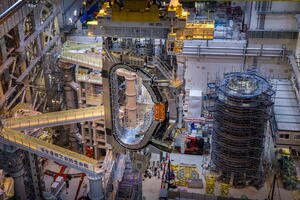
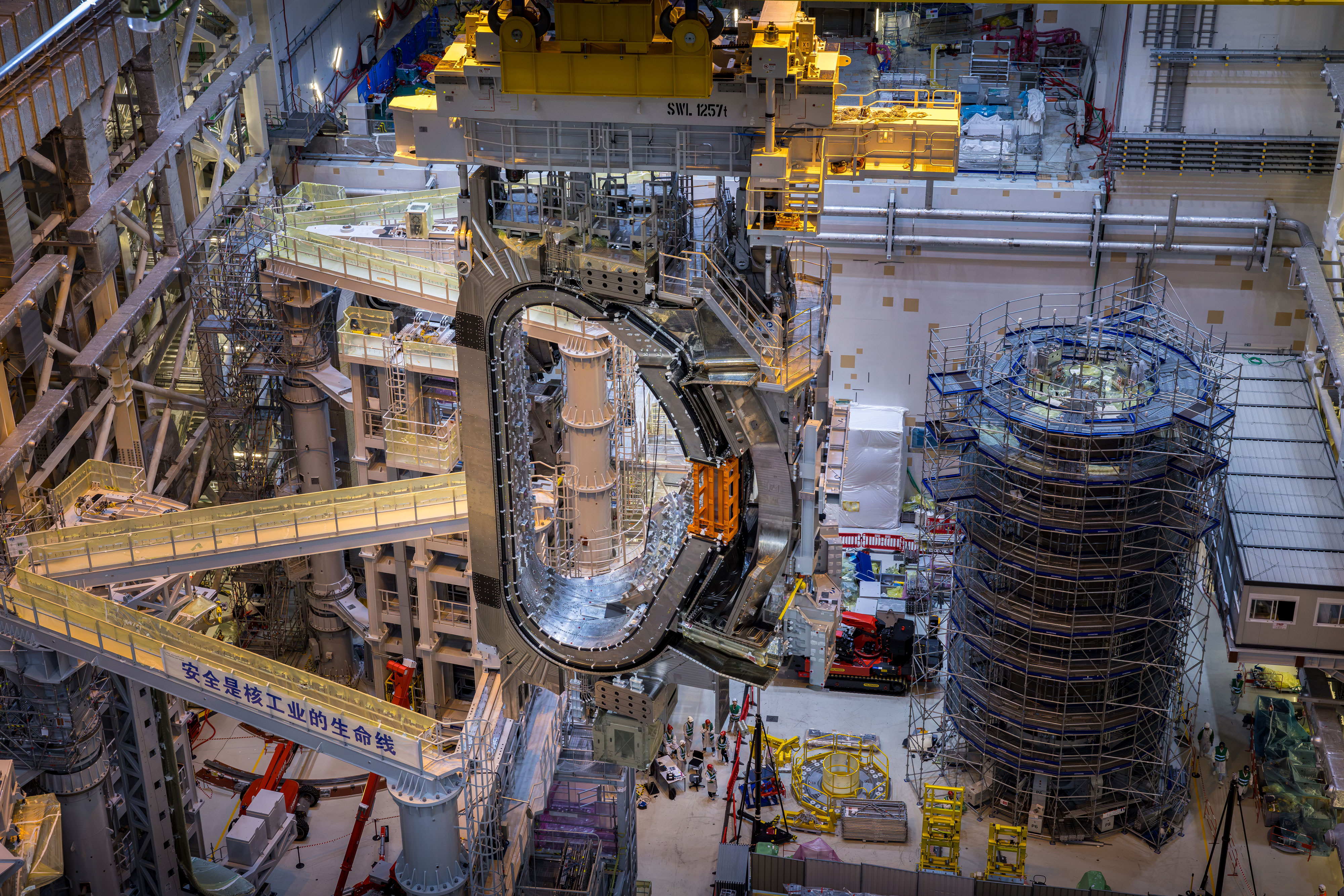
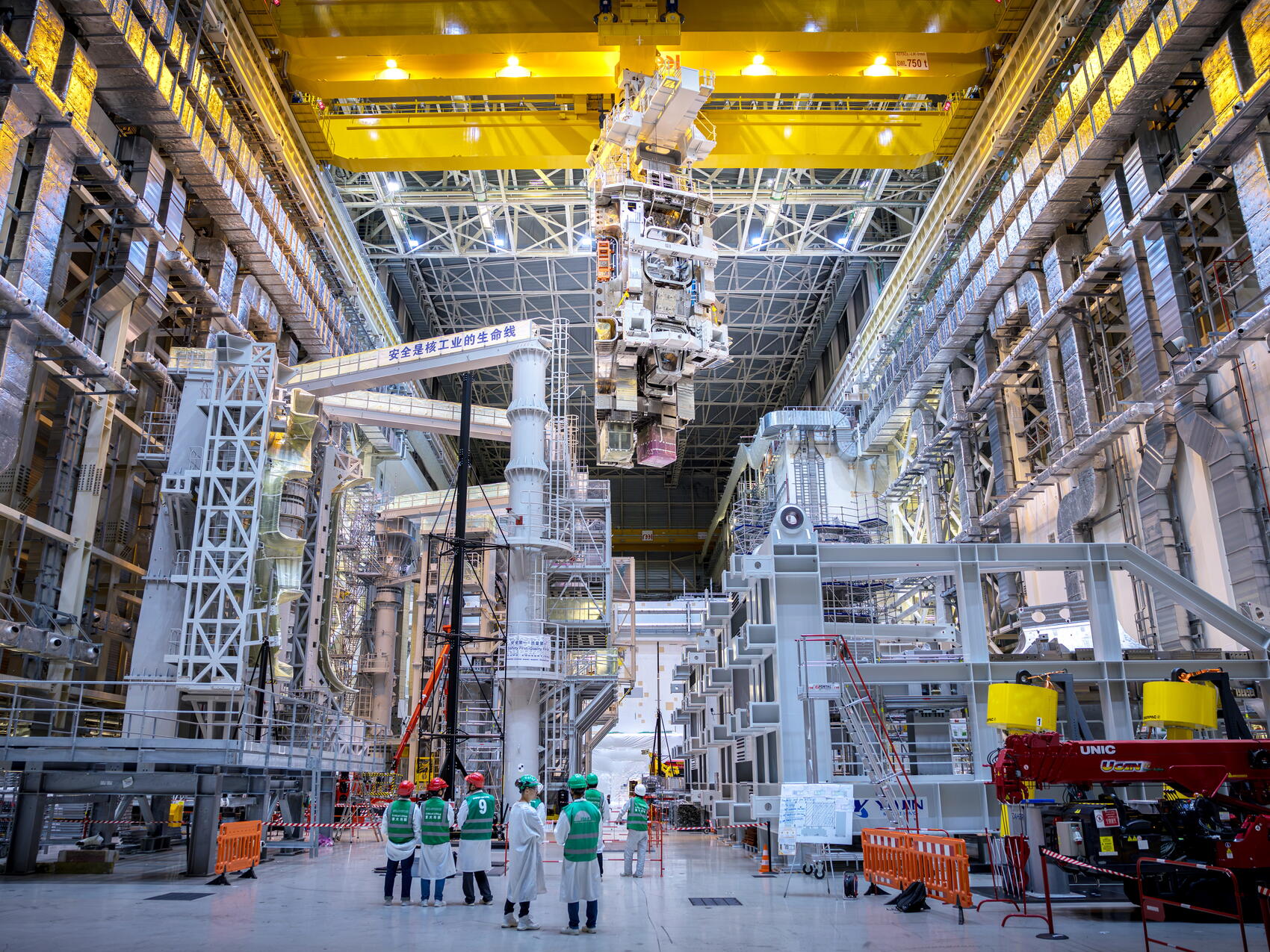
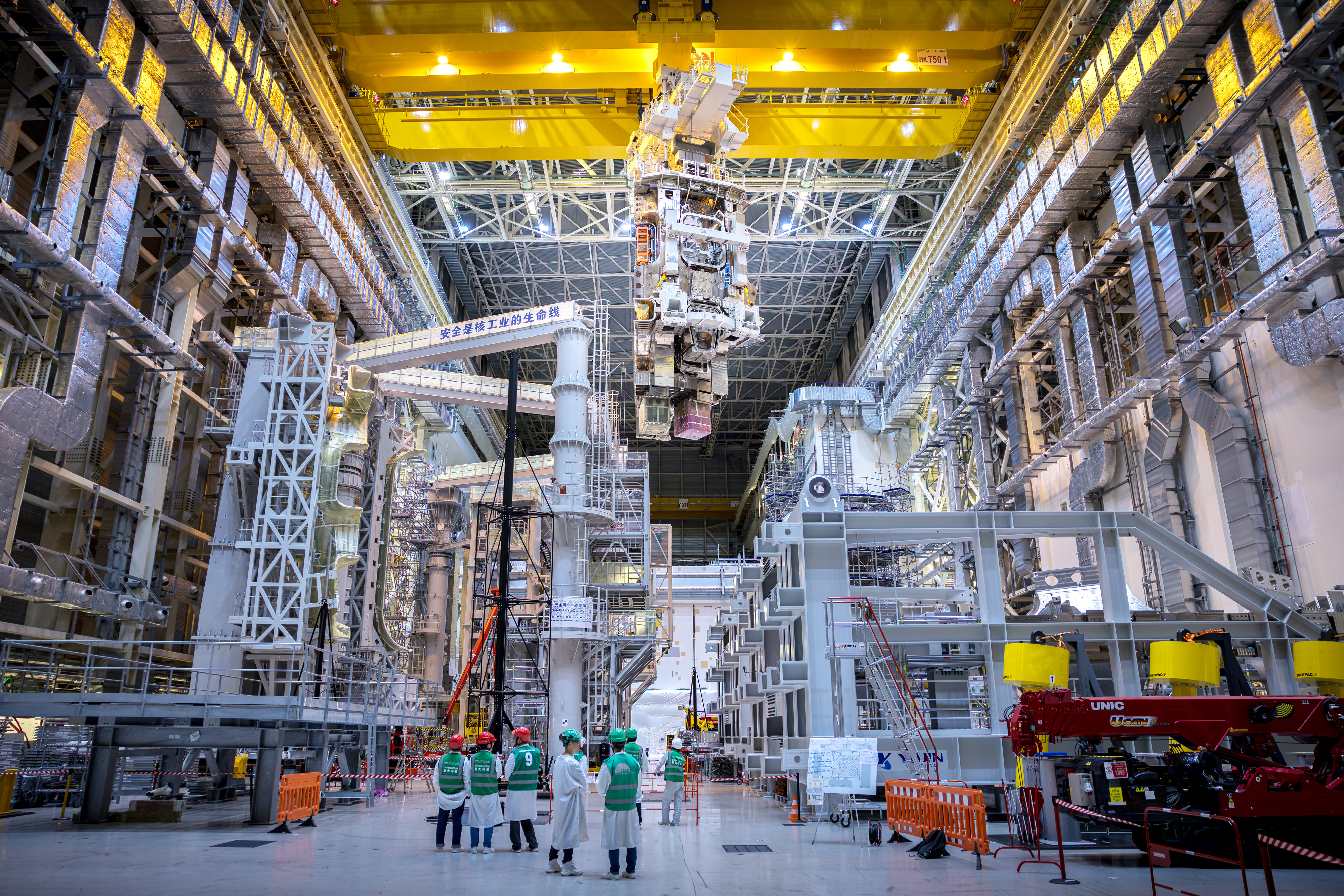
Each sector module stands more than 16 metres tall and comprises a vacuum vessel sector, its thermal shield, and two toroidal field coils. With its lifting rig attached, the load weighs approximately 1,400 tonnes. To guide a load of that size between two installed modules, the team had to choose its path carefully.
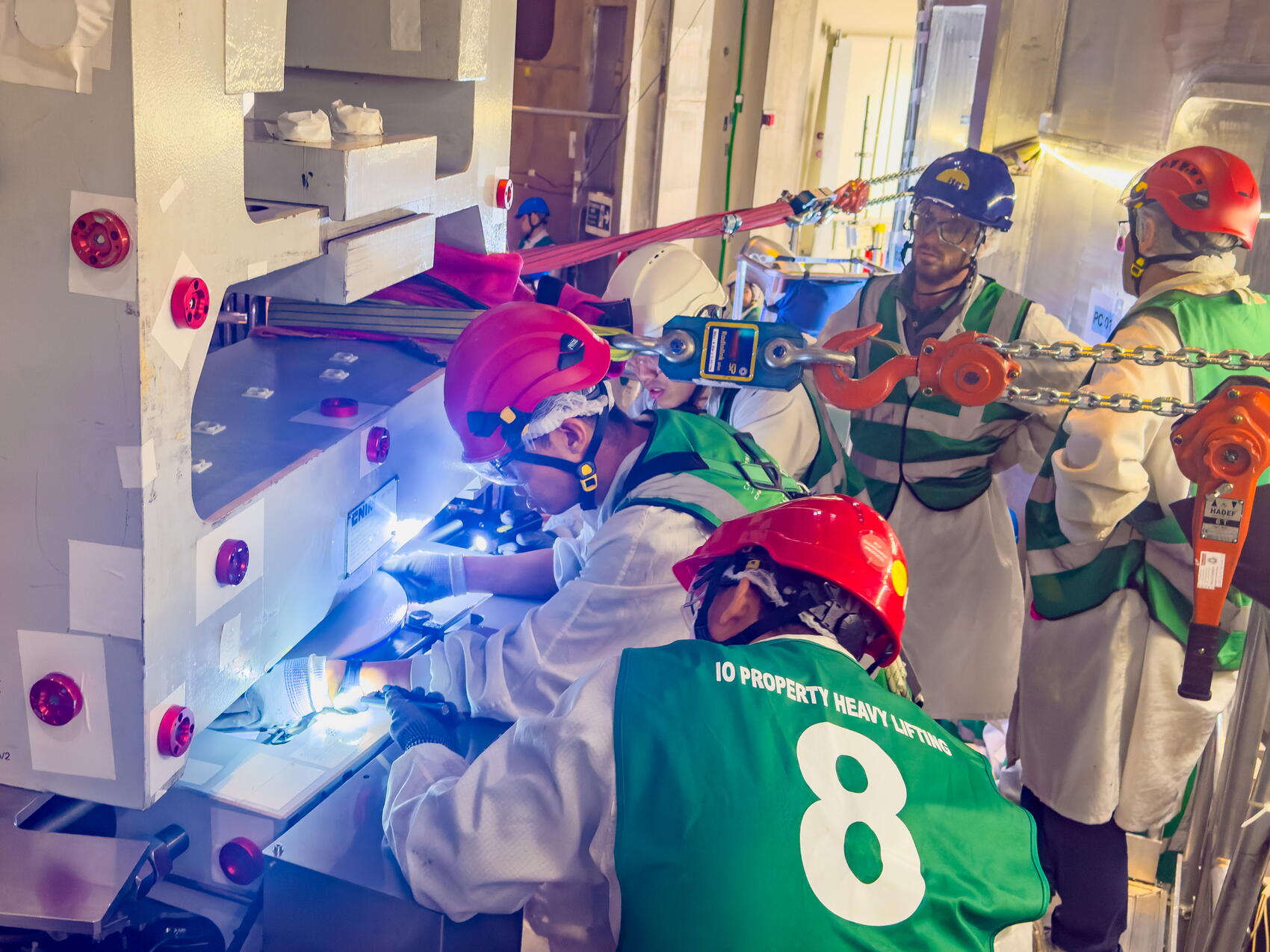
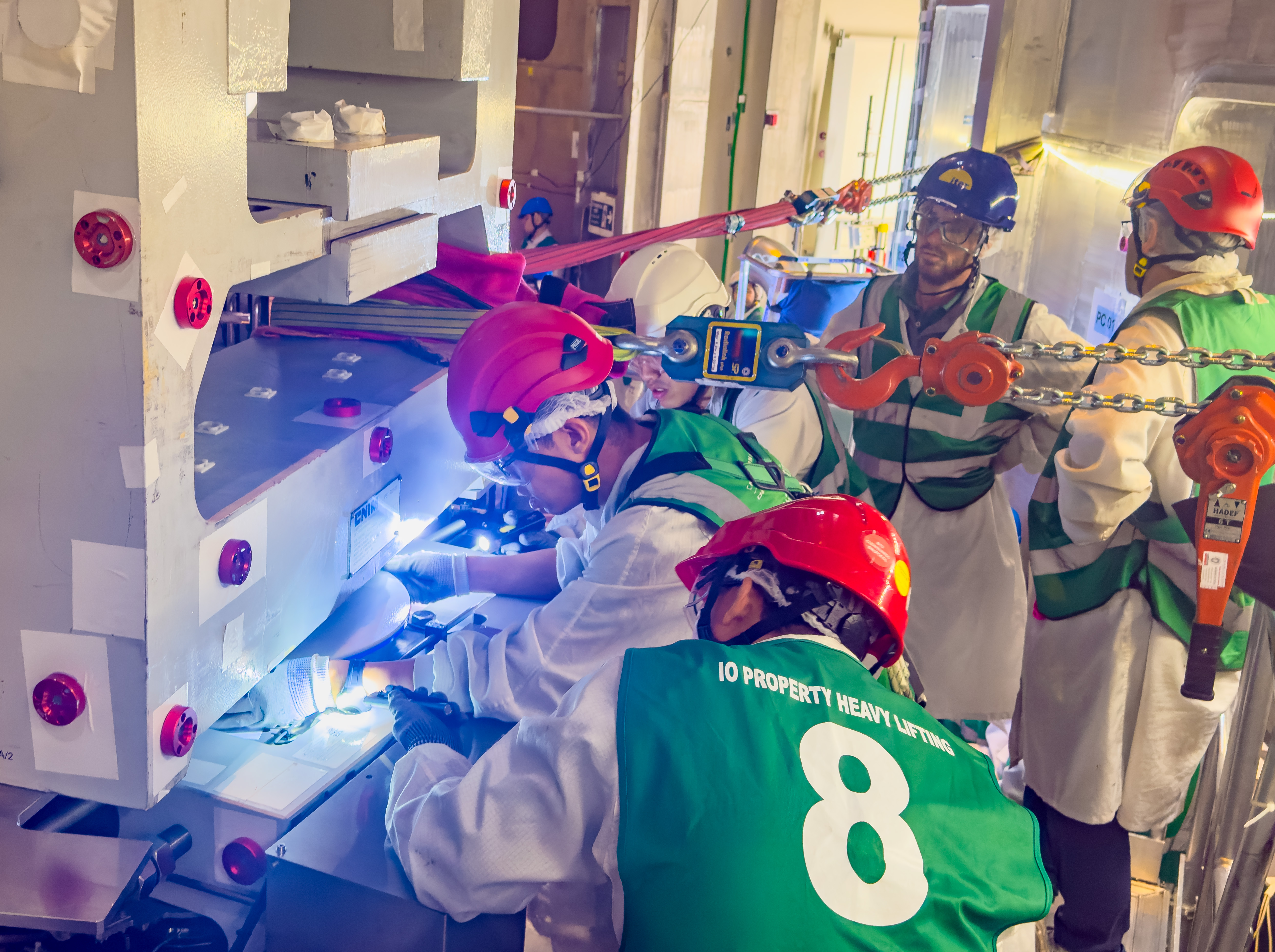
The solution was to lower the module with a radial offset of 140 millimetres, keeping its inboard edge that much farther from the centre of the machine than its final position. Like sliding a slice of cake slightly outward, this opened a gap on either side of the wedge-shaped module. Even so, lateral clearances were as low as 48 millimetres at the tightest points. And what the team gained in space on either side came at a cost: the offset brought the module’s outer edge to within 62 millimetres of the nearest piping on the inside of the cryostat wall.
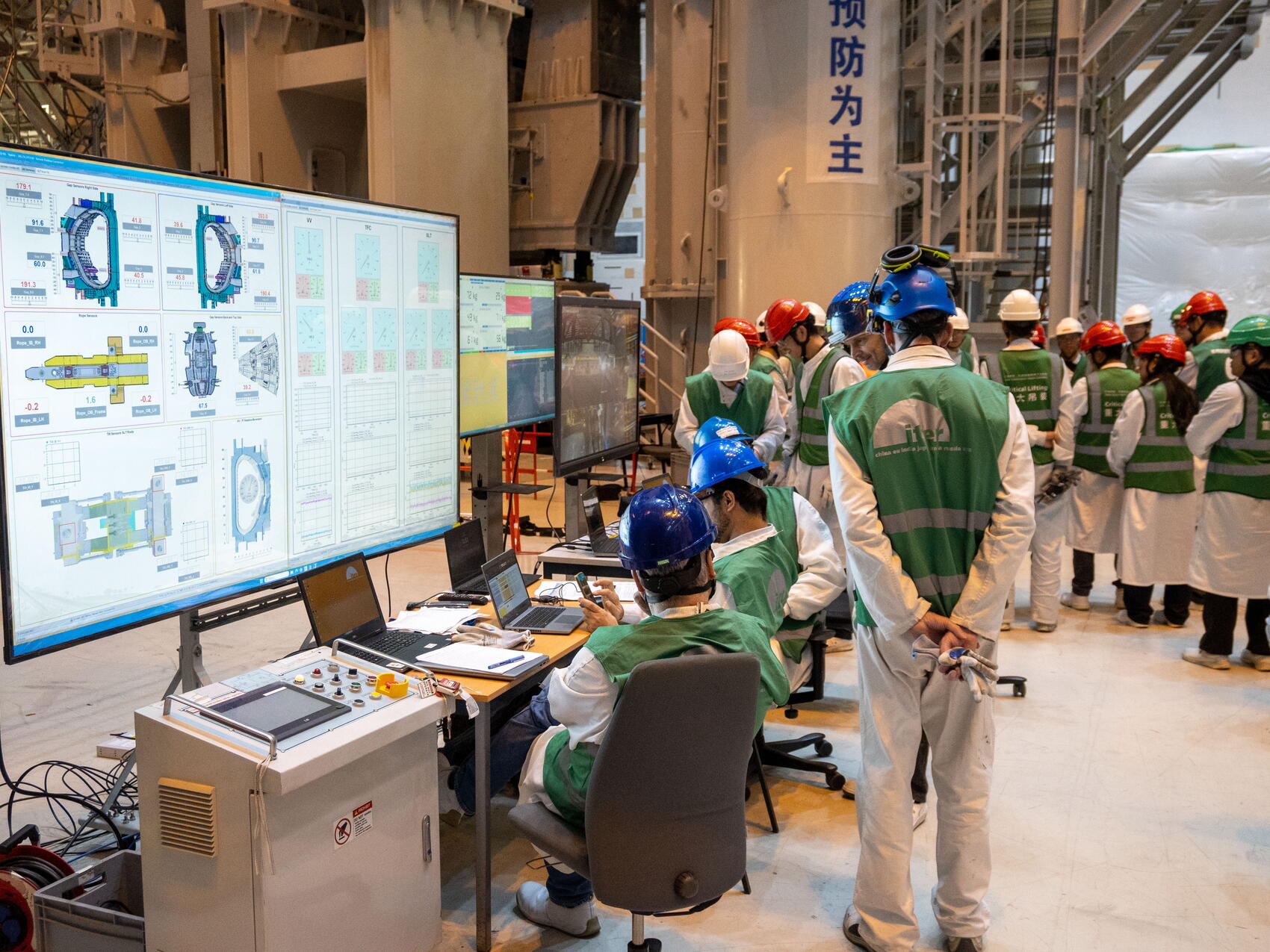
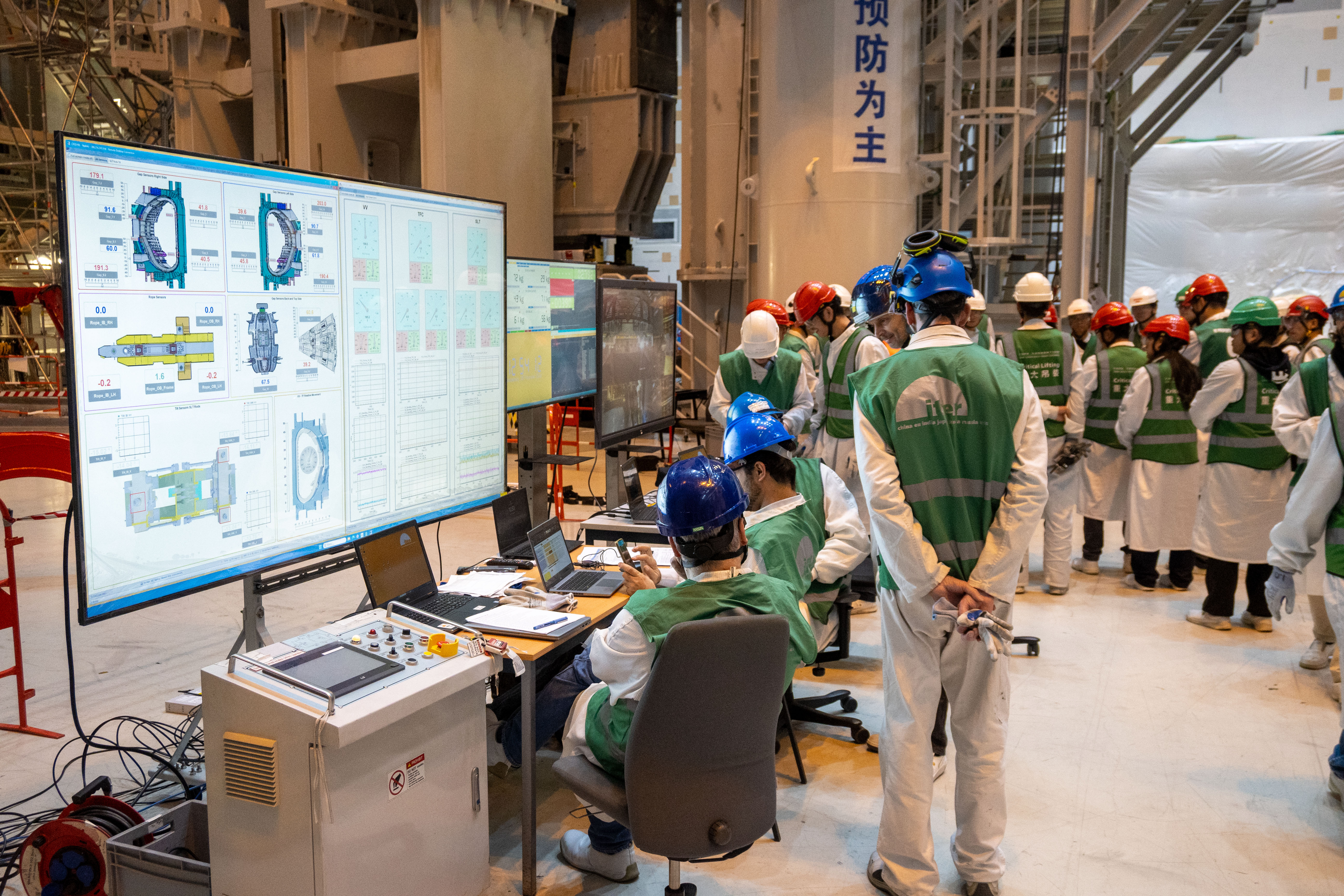
The operation began shortly after noon on Wednesday 25 November with the lift and extraction of the module from Assembly Hall tooling. Several hours later, the module was suspended above its position in the tokamak pit. The teams then used data from previous lifts and real-time measurements of the module’s position to align it above the gap and effectuate the offset. Once the “go” was given to begin lowering, there was one final challenge: the swaying of the module as it descends, which could bring it into contact with its neighbouring modules.
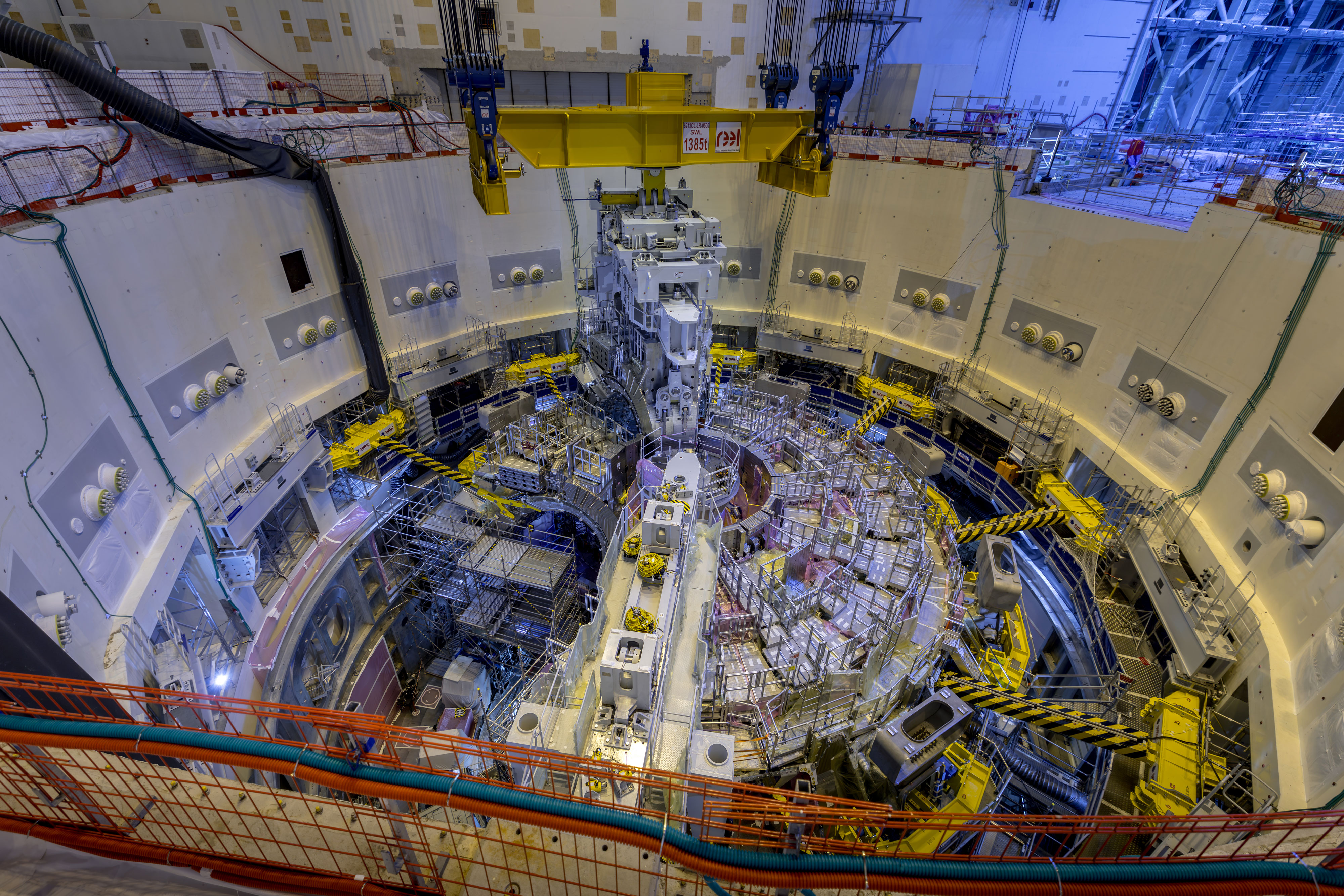
"We can typically see between 10 and 15 millimetres of swing during a descent, so we stopped regularly to damp the oscillations,” says Josep Pallisa, the ITER assembly engineer who was responsible for the technical aspects of the operation. “We made the proper adjustments and brought the module safely into place and the gaps were never less than 30 millimetres.”
Just 24 hours after the start of the operation, the module was successfully landed on its gravity supports. The radial displacement will be resolved with the TIPI (Toroidal Field Coil In-Pit Installation Tool) tables, specialized tools that can move the module into final position with a minimum tolerance of 500 microns or half a millimetre.
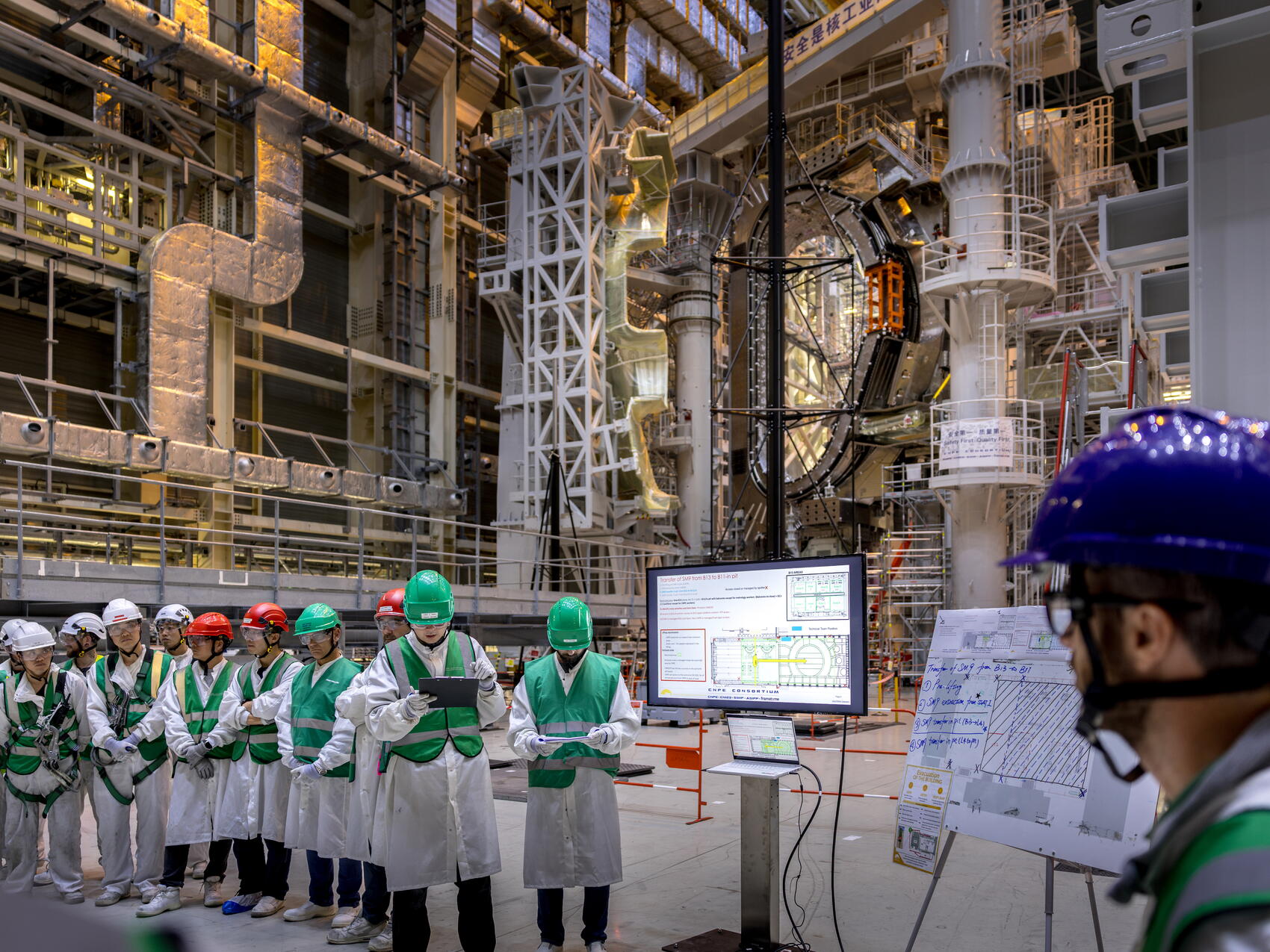
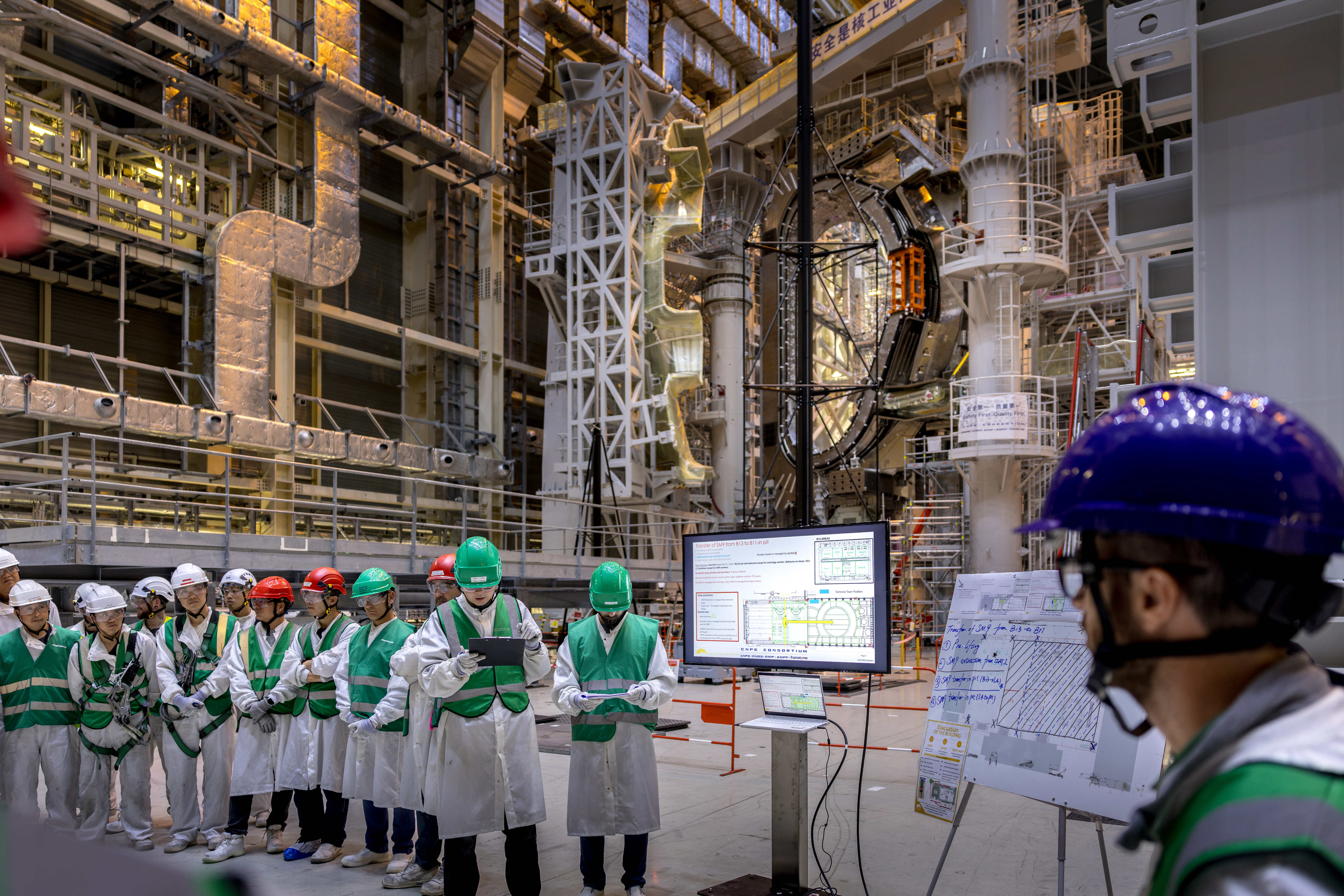
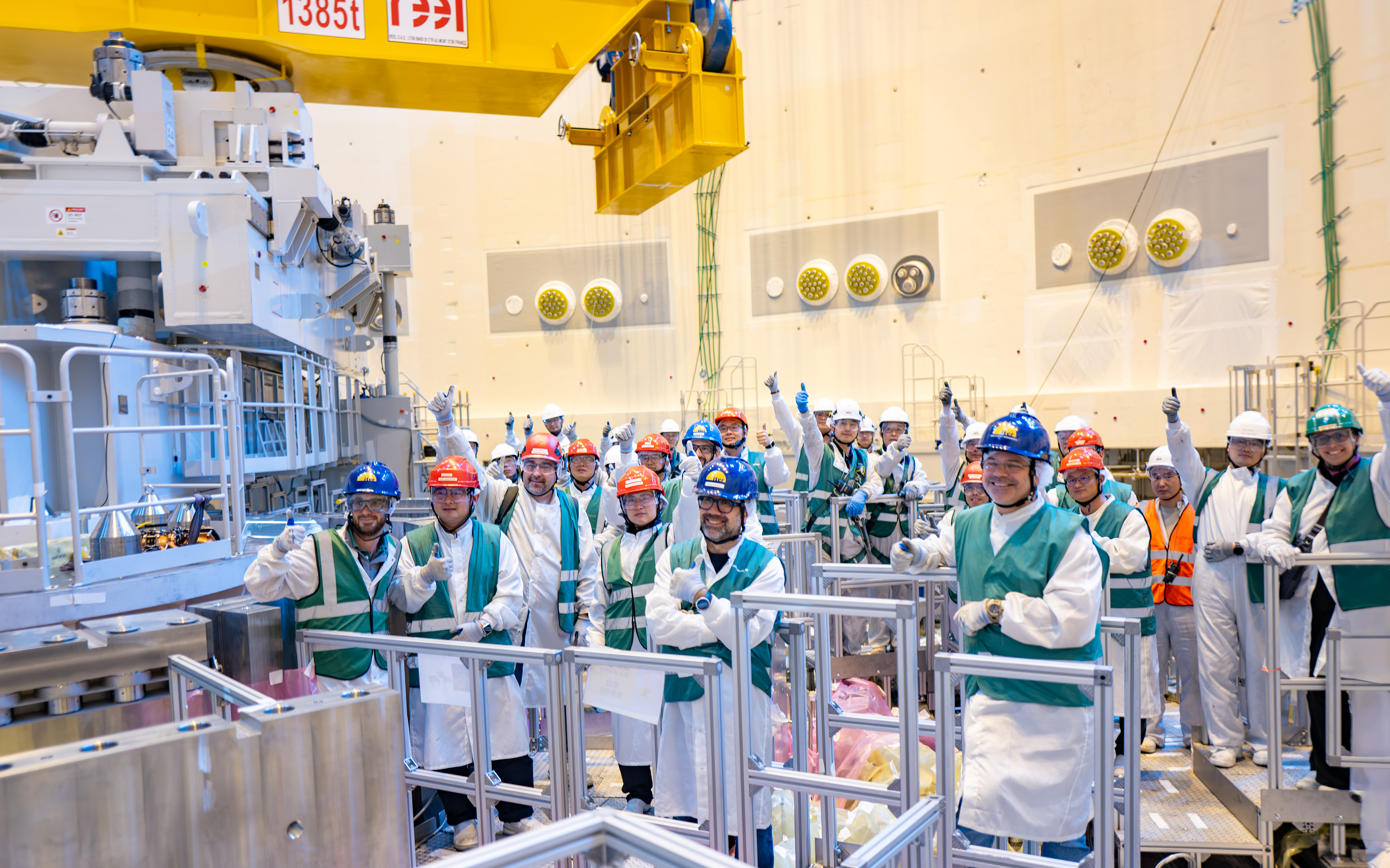
In total, more than 100 team members were mobilized across three shifts to complete the operation.
“By the time we saw the module land, so many people had already done their part, from assembling the module to preparing the lift to guiding it home with just centimetres to spare,” said Mathieu Demeyere, the principal construction manager who supervised the operation for ITER. “Seven down, two to go!”
Read the ITER Organization press release in English and in French.