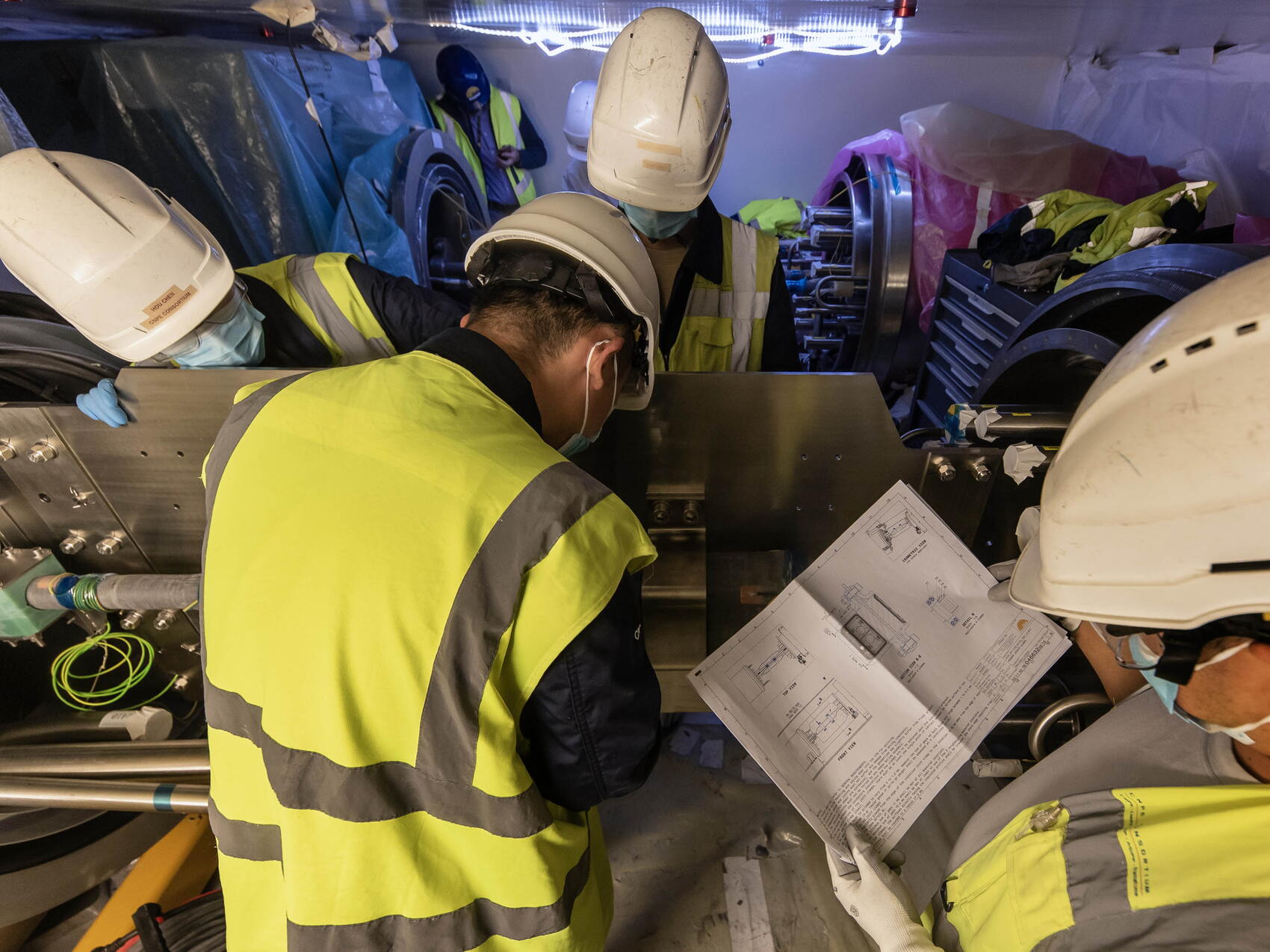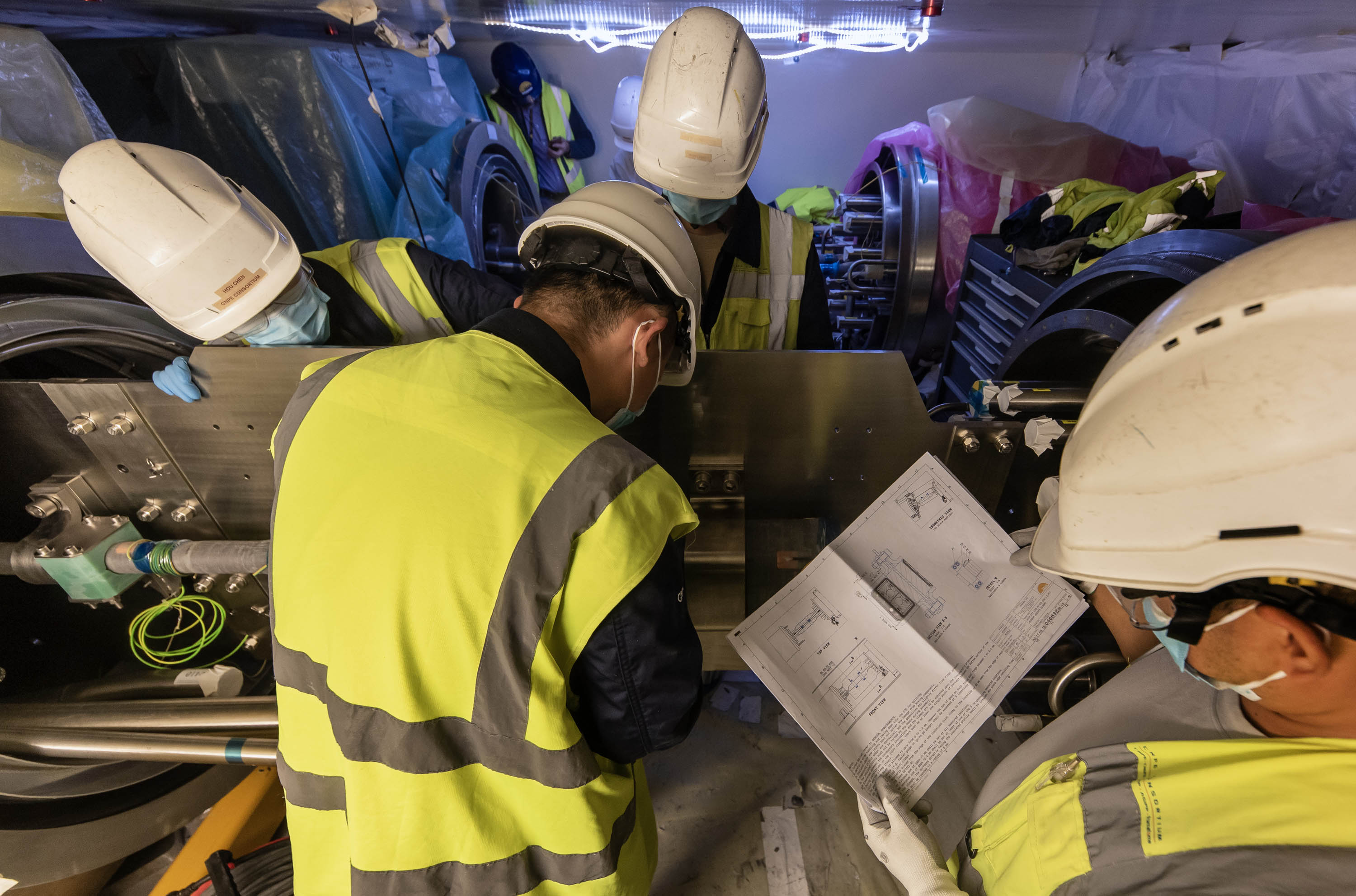
Feeder milestone: first-phase assembly achieved
The first stage of feeder assembly—connecting feeder line components in the Tokamak Building galleries—has been completed. Work will now move to the tokamak pit, where tighter spatial and schedule constraints will make the team’s experience a key asset.
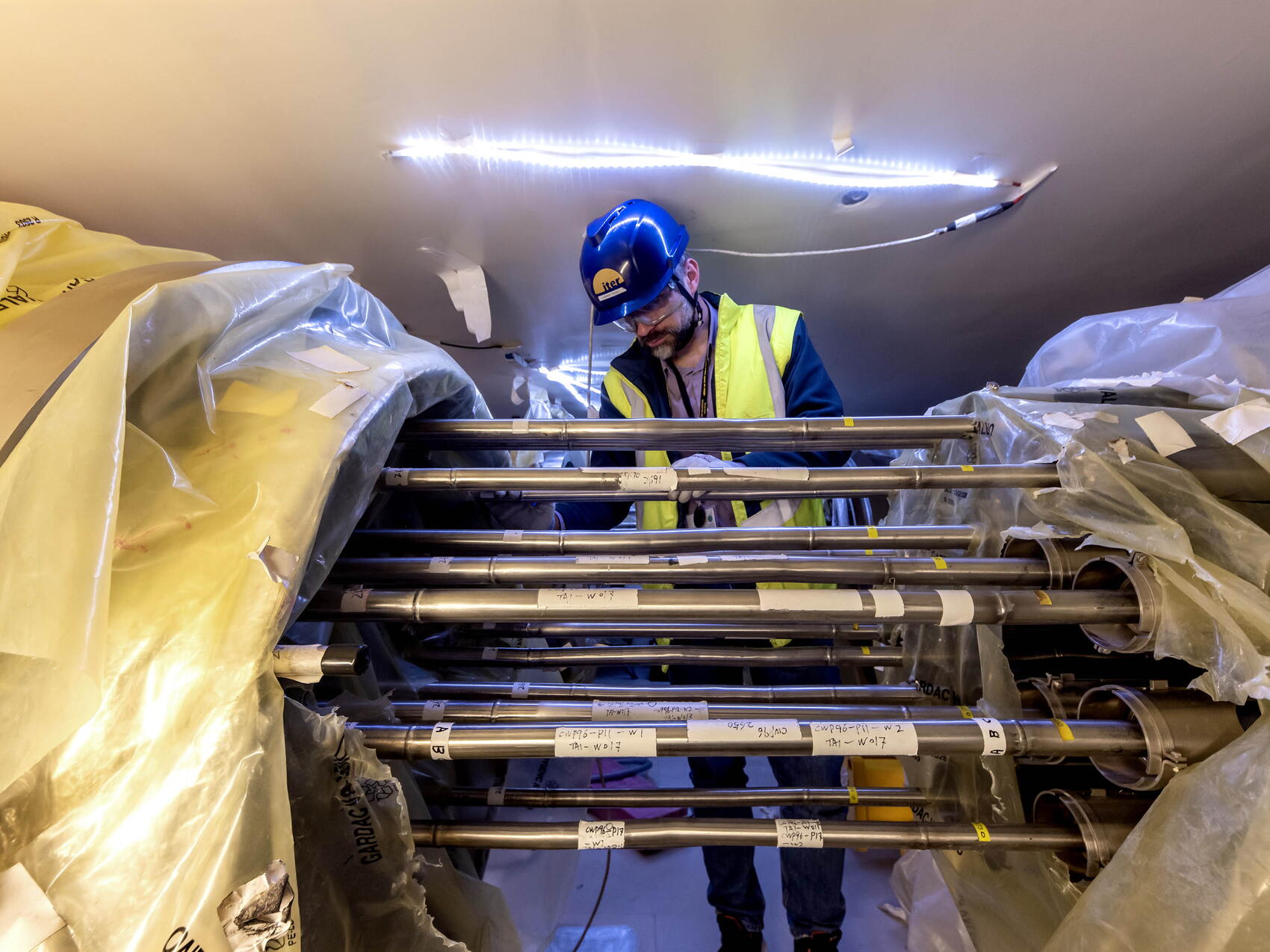
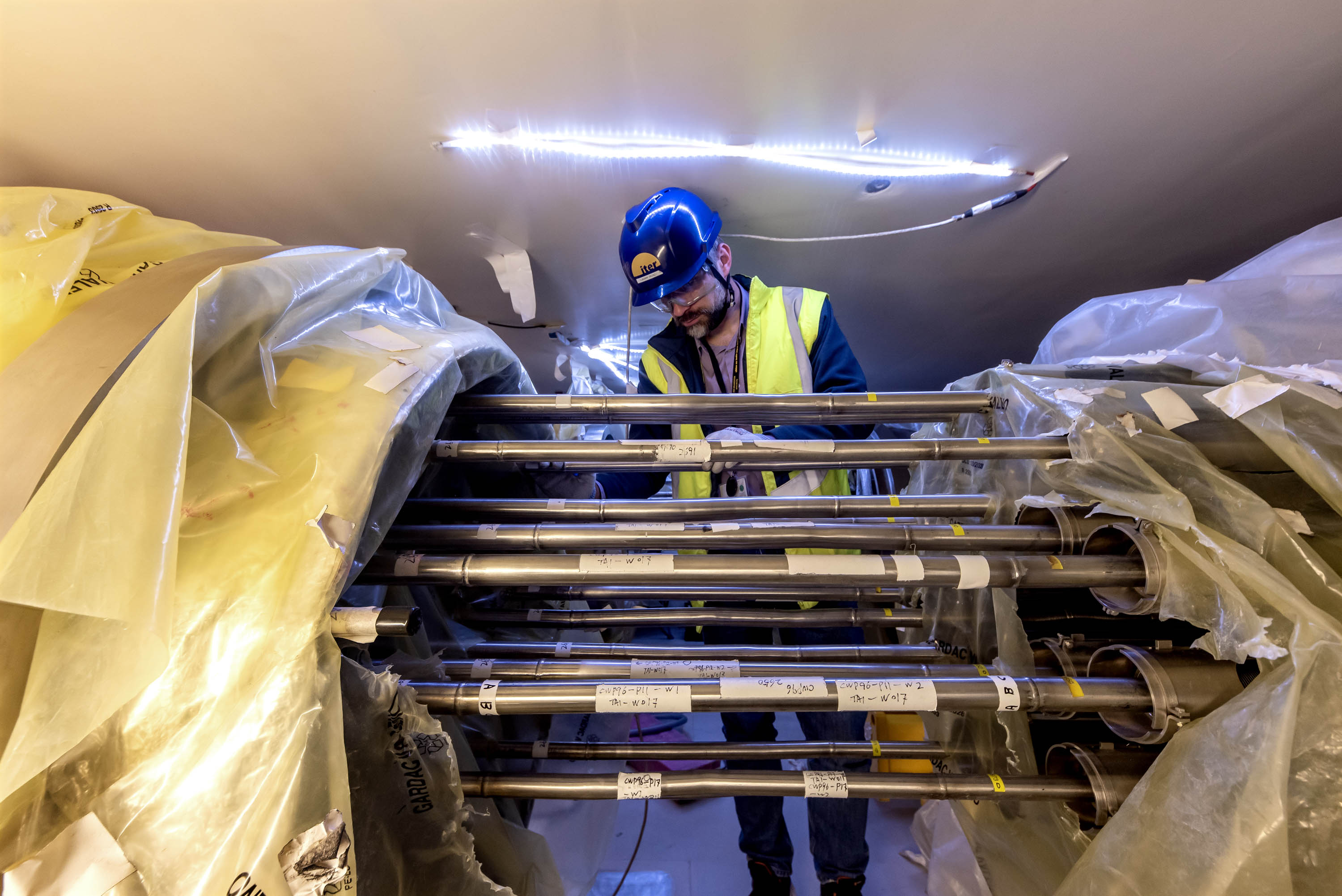
If you were to look inside an ITER magnet feeder, whether at its box-like starting point in the galleries or at the more tapered and circular ends near the magnets, you would have the impression of a busy multilane thruway, with different “lanes” carrying the power, cryogens and instrumentation needed by the superconducting magnets.
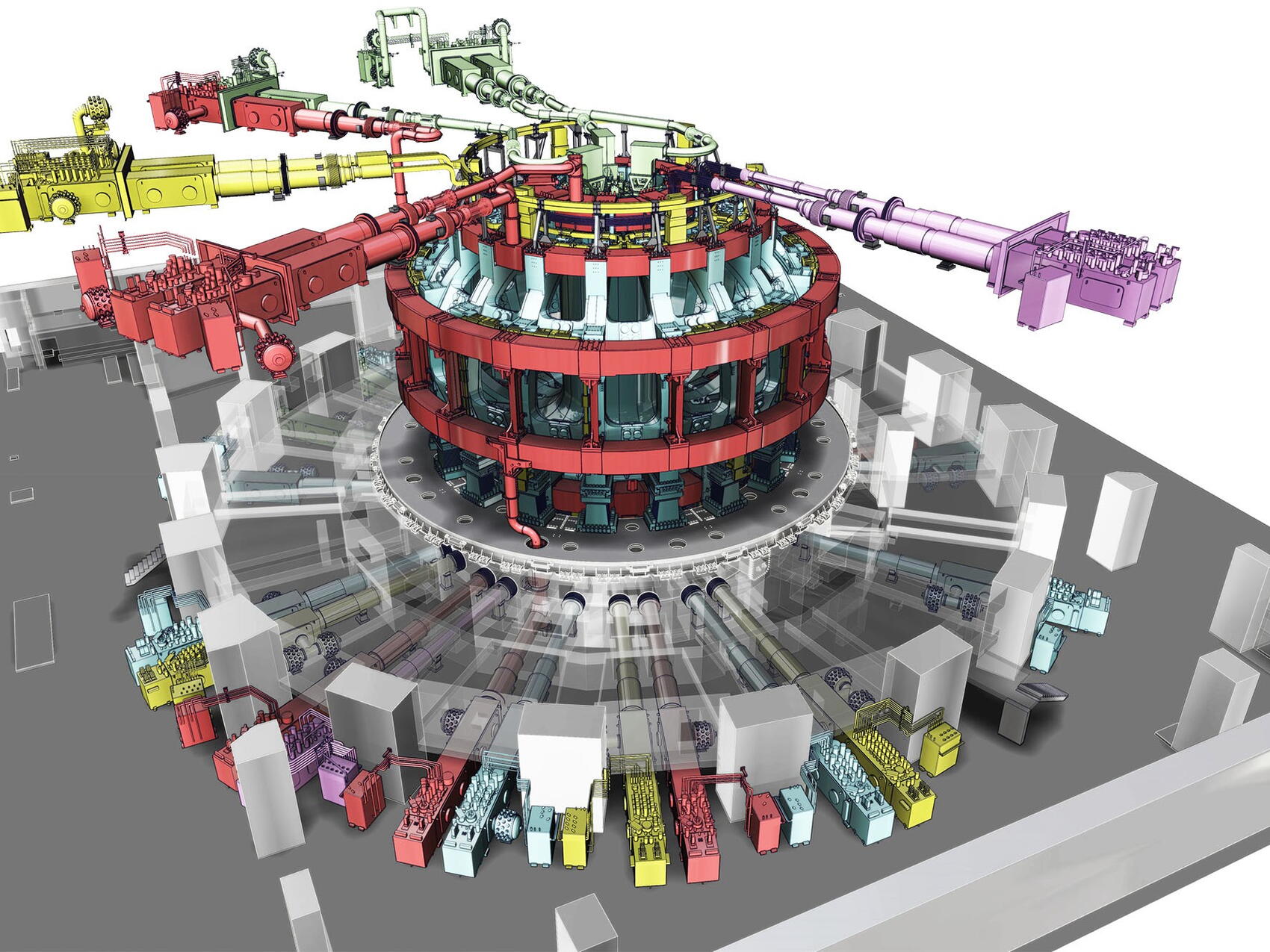
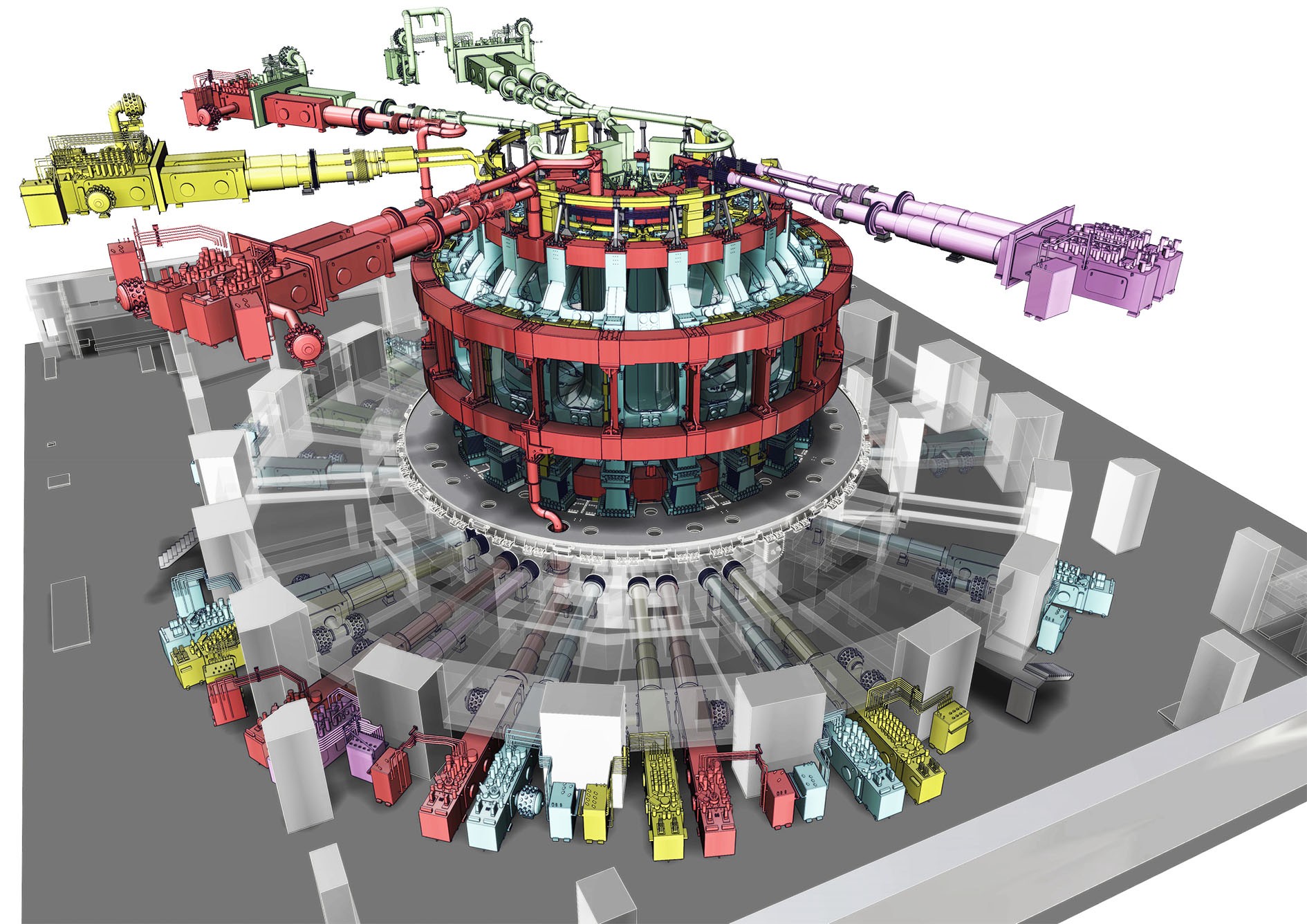
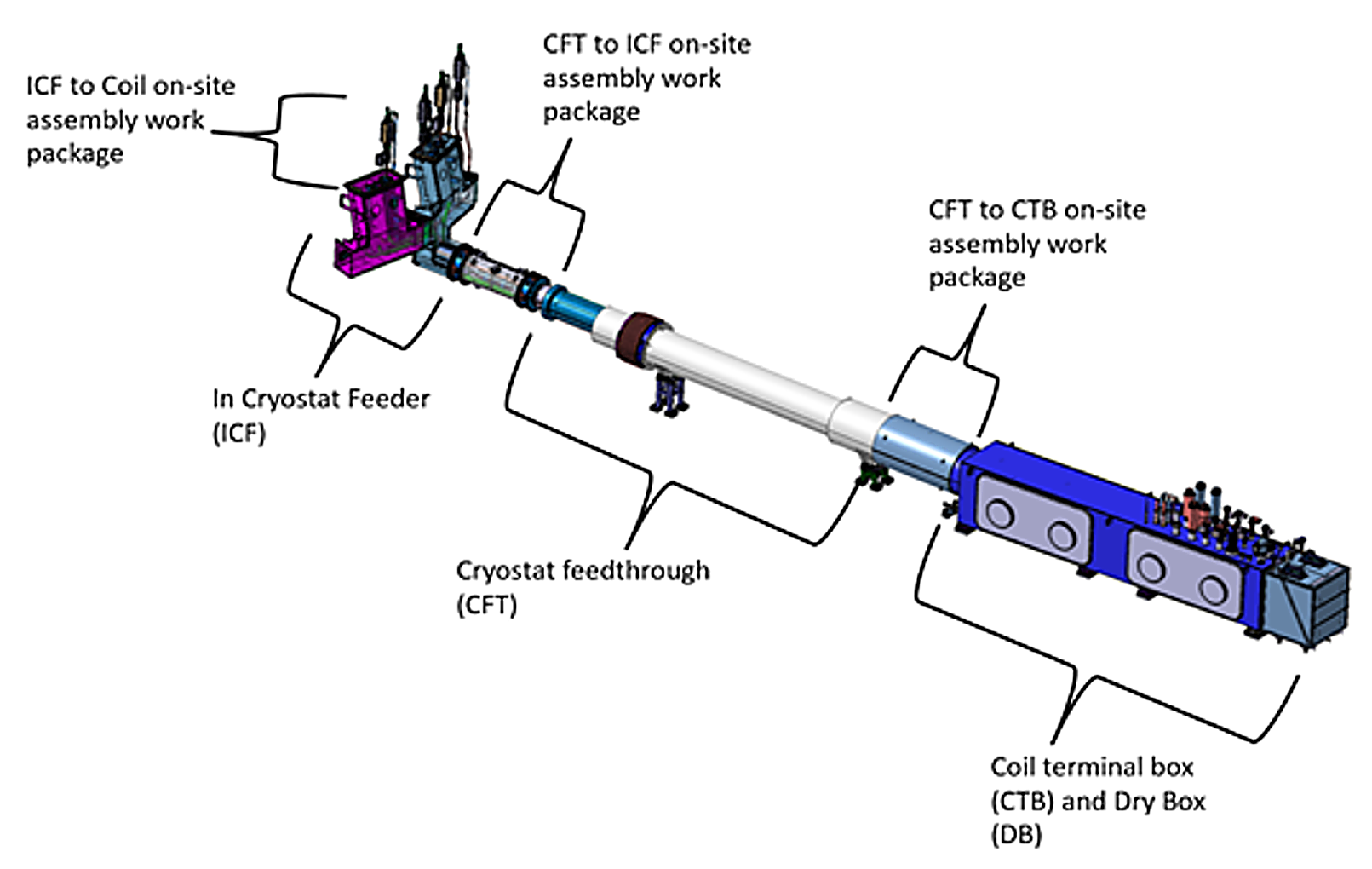
These thruways span distances of up to 35 metres, delivering services from outside the machine in to the vacuum environment of the magnets.
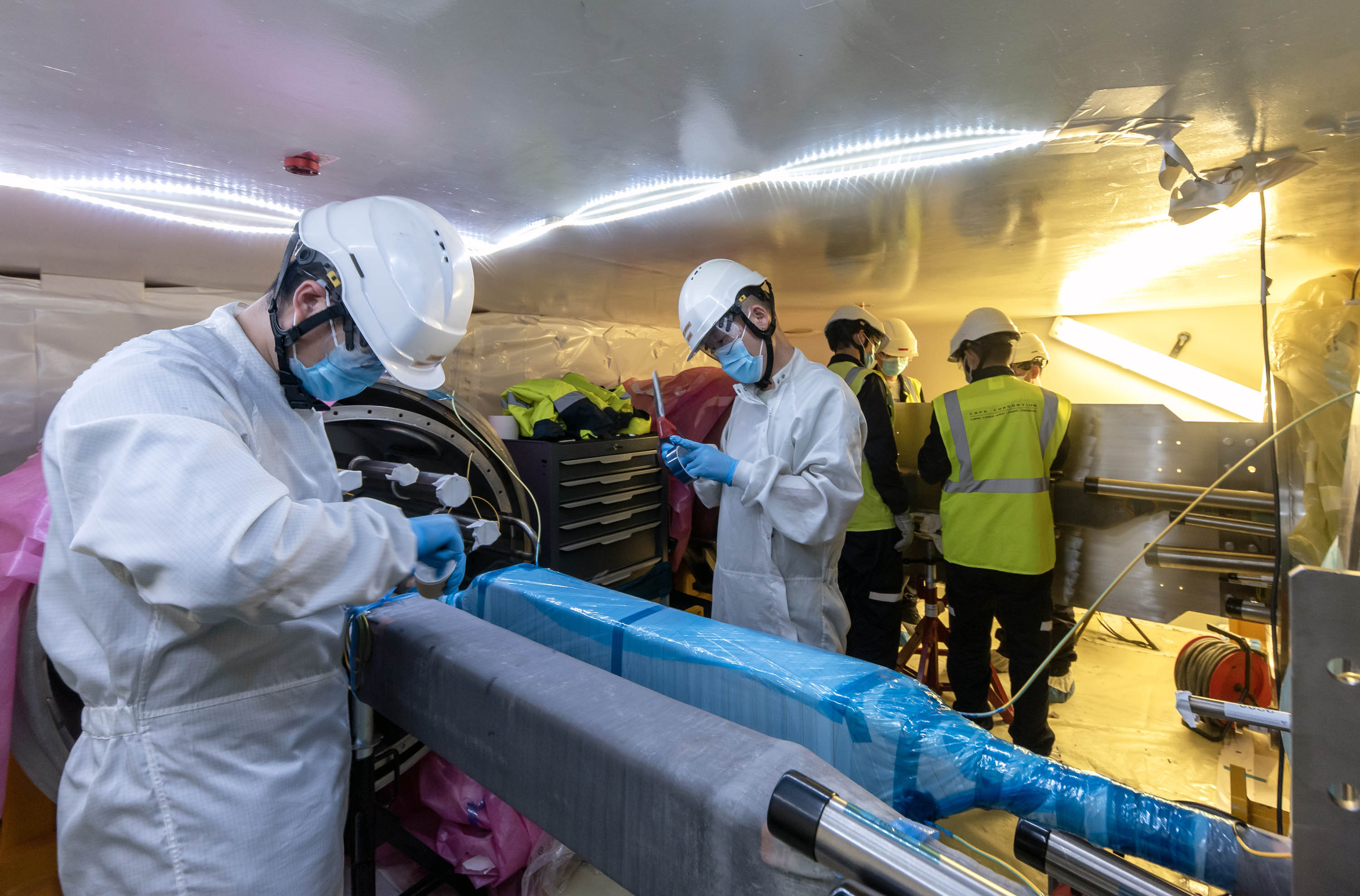
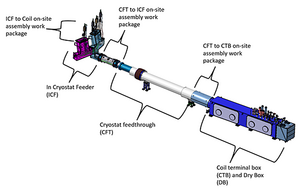
Nothing as large as a 35-metre component could ever be installed in one piece on ITER—or even transported to the worksite. Instead, the Chinese Domestic Agency and its subcontractor ASIPP (Institute of Plasma Physics, Chinese Academy of Sciences) have delivered each feeder line in three fully instrumented segments. At ITER, these segments must be installed and joined together—a job that requires assembling large mechanical structures, but also connecting all of the internal “lanes”—from the busbars and current leads that transport electricity to the cryogenic fluid transport pipes and the high- and low-voltage conduits containing instrumentation wires.
Connecting the busbars is a particularly challenging task, says ITER manufacturing and assembly engineer Vladimir Tronza, who is coordinating feeder assembly works. “The busbars are superconducting and their joints need to have extremely low electrical resistance and very strong reliable high voltage insulation. The problem is—we cannot test either in real operating conditions.”
To address this, the ITER team developed a process designed to be both reliable and robust. The procedures for the on-site works were written directly by the IO engineers and technicians who had conducted multiple R&Ds to ensure the process soundness.
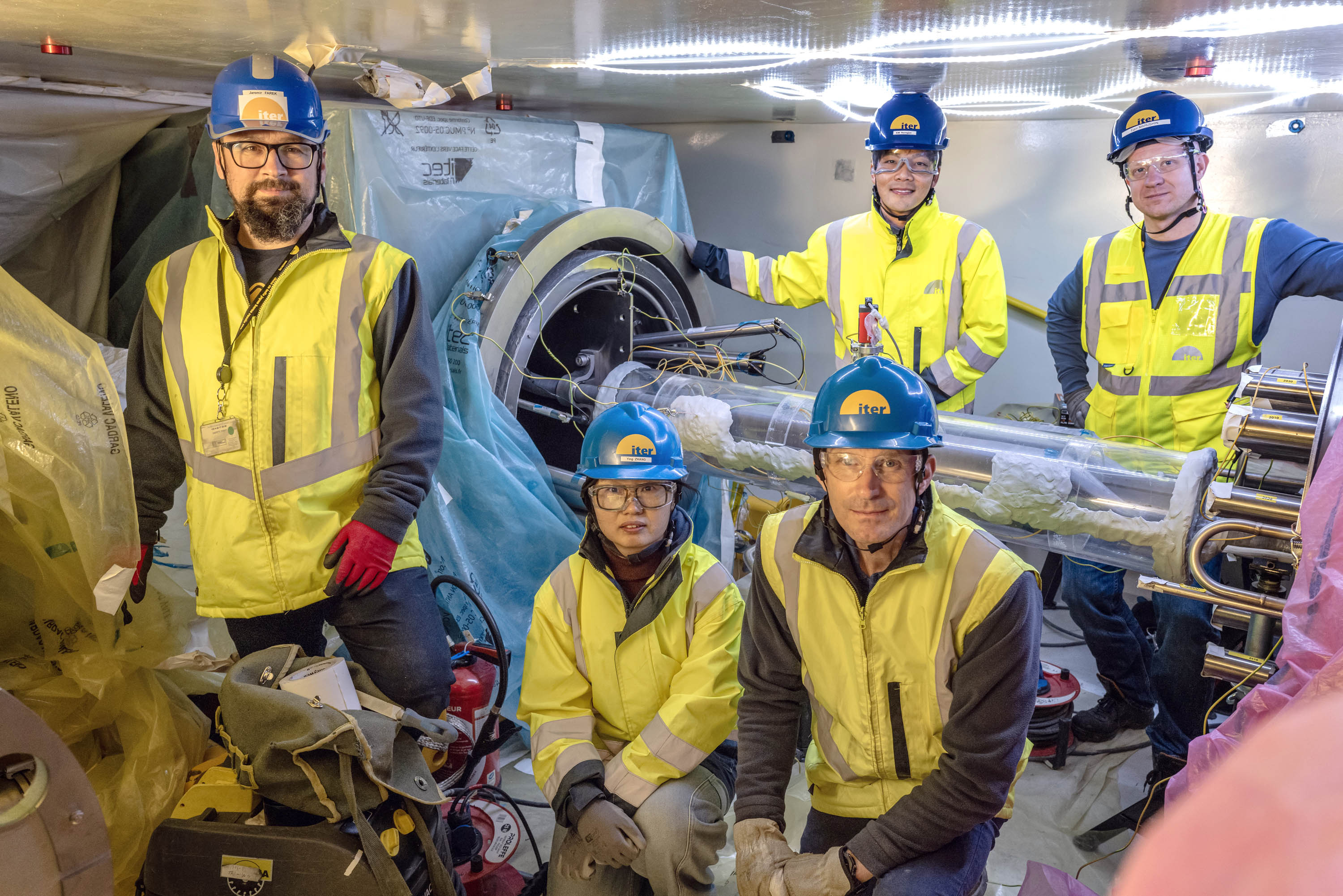
“The joint process we created is backed by extensive R&D, and it is carried out on site by specialized workers who have completed mandatory qualification training, with supervision and verification at every stage.”
Since 2021, qualified teams from ITER machine assembly contractor CNPE have been carrying out feeder connection work in the Tokamak Building, where two out of three of the segments required to build a magnet feeder—coil termination boxes and cryostat feedthroughs—have been positioned. In this first phase, 50 superconducting busbar joints were successfully completed.
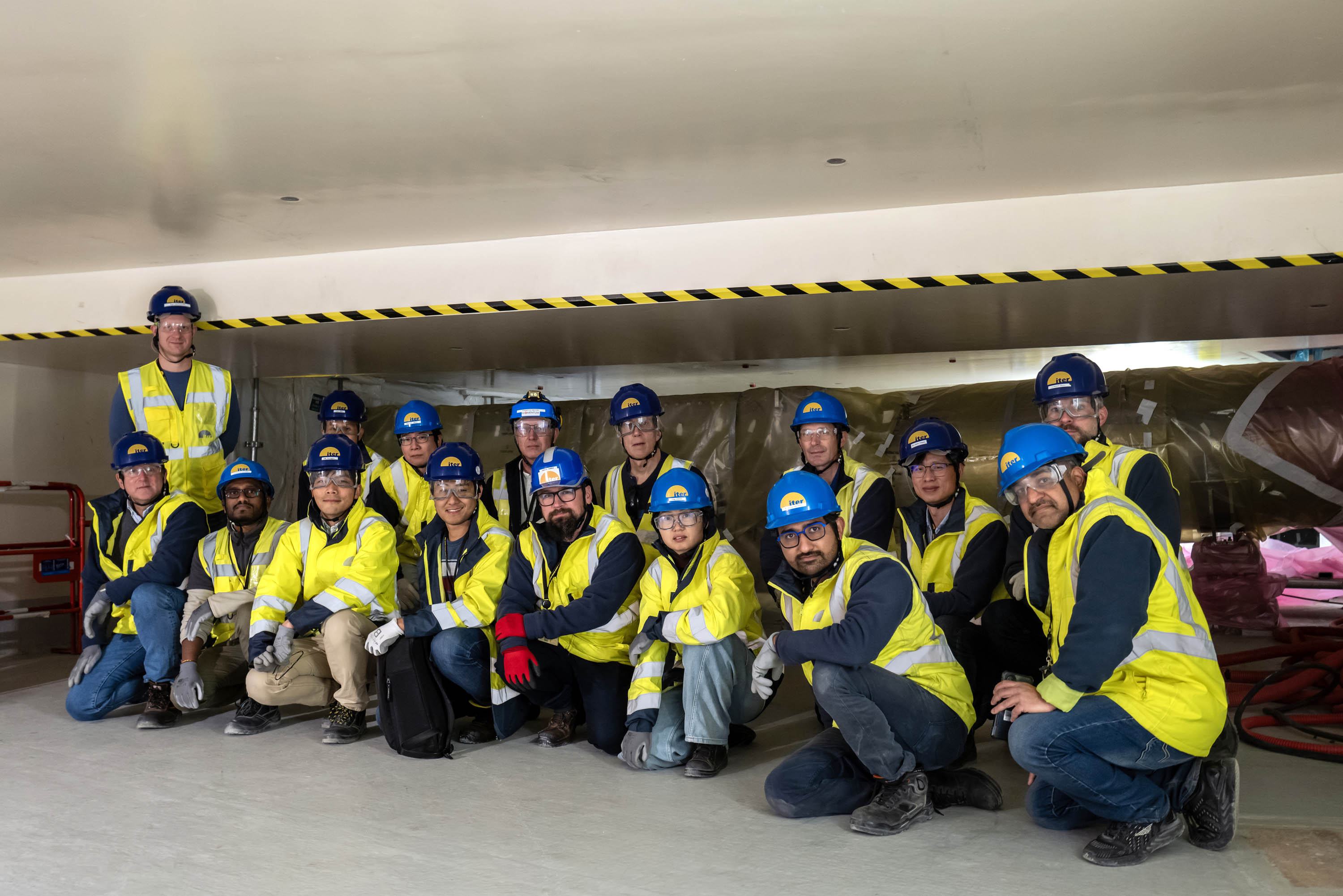
The next stage will take place on the other side of the cryostat barrier—inside of the tokamak pit. There, cryostat feedthroughs that cross through the concrete bioshield that surrounds the machine must be connected to in-cryostat feeder segments, and in-cryostat segments must be connected to the magnets. This work can only begin upon the completion of toroidal field coil installation, although preparations are already underway.
“Future work will move mostly to the tokamak pit and will take place in a significantly more challenging and congested environment,” says Tronza. “It will also be more demanding in terms of schedule, as we will need to complete 180 superconducting joints—more than three times the number achieved in the first phase—in less time.”