
Professor Francesco Romanelli
The ITER Organization has learned with great sadness of the passing of Professor Francesco Romanelli, a towering figure in the international fusion community and one of Europe’s most influential leaders in magnetic confinement fusion research.
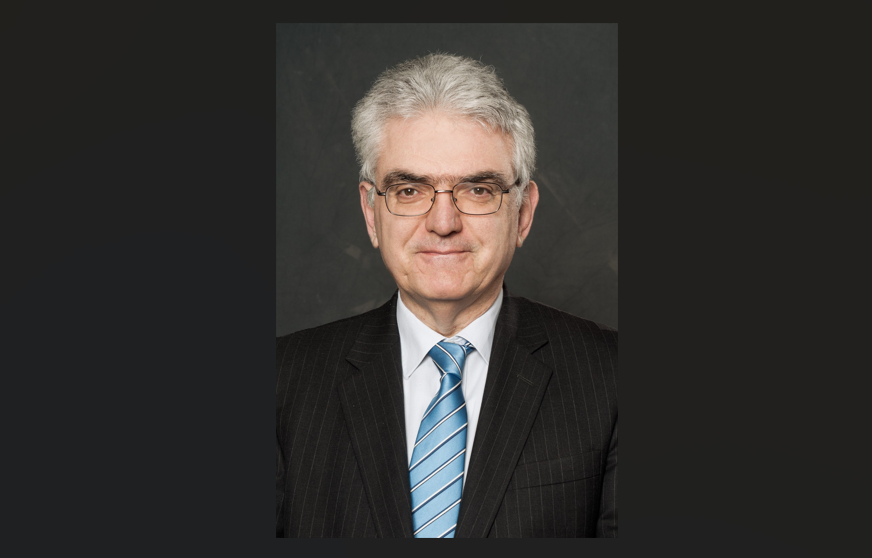
Professor Romanelli devoted more than four decades to fusion energy, joining the field in 1980 and rapidly emerging as one of its most respected scientific leaders. In his early career he made major contributions to the understanding of turbulent losses of heat by nuclear fusion plasmas—in particular, the so-called ion temperature gradient driven modes (ITG), which play a crucial role in determining ITER’s fusion power production. This marked the start of an exceptionally prolific scientific career with more than six hundred articles published in scientific journals as author/co-author.
He then led the ENEA program in magnetic confinement fusion physics, eventually becoming deputy director of the Fusion Division, from 1996 to 2006. Subsequently, he became leader of the Joint European Torus (JET) from 2006 to 2014, and also led the European Fusion Development Agreement (EFDA) from 2009 to 2014, where he coordinated Europe’s scientific contributions to fusion and oversaw the development of the European Fusion Energy Roadmap. Since 2015, he had served as a professor of nuclear energy physics at the University of Rome “Tor Vergata,” inspiring future generations of researchers. In addition to his leadership positions, he was Editor-in-Chief of the journal Nuclear Fusion—shaping, in this role, the global scientific dialogue around fusion research.
A long-standing partner and supporter of ITER
All throughout his career, Francesco Romanelli played a decisive role in supporting ITER scientifically, institutionally, and strategically:
• As leader of JET, he oversaw experiments that had a direct impact on ITER’s design and that supported preparations for ITER operation, especially during the early years of the ITER Organization. These included the determination of the impact of toroidal field ripple on plasma confinement (which defined the mass and distribution of ferromagnetic inserts in ITER) and operation with a full metallic wall (demonstrating the low in-vessel retention of fuel in this configuration, as required for ITER), to cite a few.
• As EFDA leader, he coordinated the European program that underpinned ITER’s scientific and operational basis, and he worked closely with ITER senior leadership during the project’s consolidation phase.
• As a central figure in the European fusion ecosystem, he was deeply involved in a wide range of international fusion activities such as the International Fusion Research Council of the International Atomic Energy Agency (IAEA) and ITER advisory committees. Specifically, he was a leading expert in the ITER Council’s Science and Technology Advisory Committee (STAC), serving from its first meeting in 2007 until 2015. Key decisions for the ITER project were made during this period, such as the choice of a tungsten divertor from the start of operations and the inclusion of in-vessel coils into the ITER baseline.
• In his later role as president of the Divertor Tokamak Test facility (DTT) Consortium, he ensured that a collaboration was established with ITER—including the participation of ITER experts in DTT scientific bodies—to ensure that the DTT tokamak would address exhaust and divertor challenges directly relevant to ITER and nuclear fusion reactors.
A loss deeply felt across the ITER community
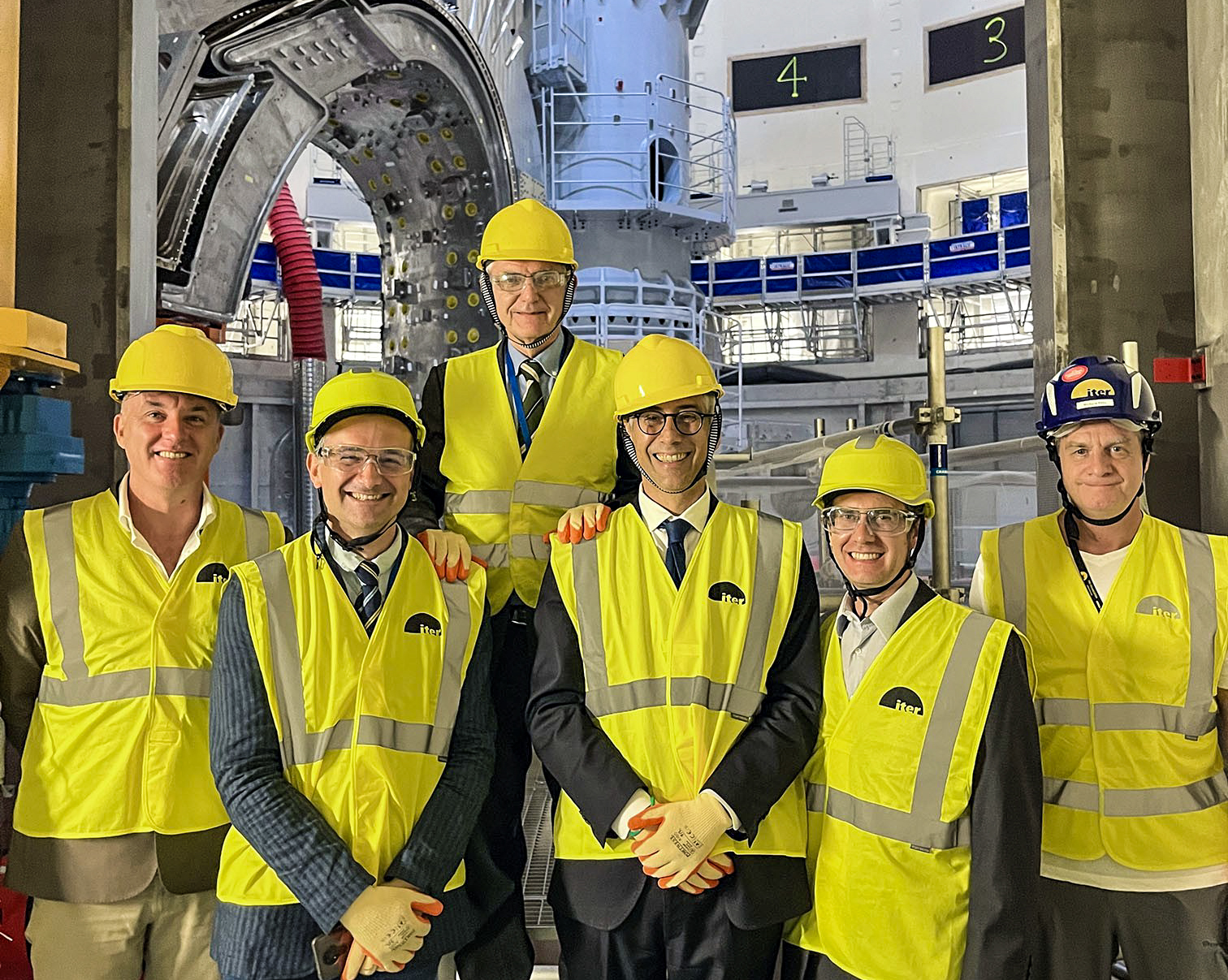
Many ITER colleagues have collaborated with him or benefited from his guidance over the years. His scientific vision, integrity, and unwavering commitment to international cooperation leave a lasting imprint on our project. His passing is a profound loss for ITER, for the European fusion program, and for the global fusion community.
The ITER Organization extends its deepest condolences to his family, friends, colleagues, and all those in the fusion world who had the privilege of knowing him.
His legacy endures in the foundations of ITER’s scientific program and in the many people he inspired.
See this tribute published by EUROfusion for more information on Professor Romanelli’s contributions to the European fusion program.