
France adopts a national strategy for fusion
French Minister of Higher Education, Research and Space Philippe Baptiste chose a visit to ITER and the CEA/WEST tokamak on Monday 16 November as a backdrop to the announcement of France’s new strategy for fusion energy development.
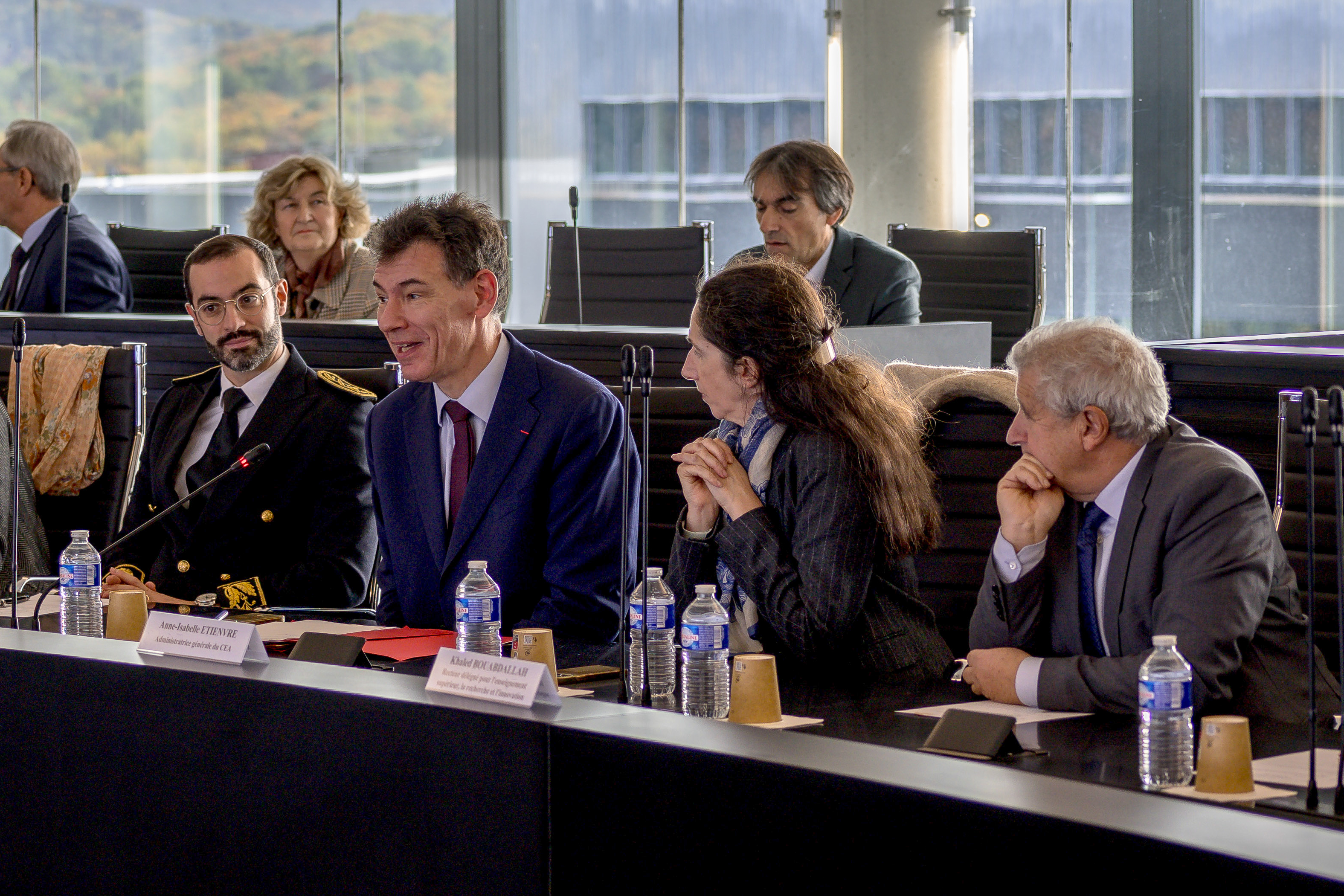
The Ministry of Research in France has published a ten-year nuclear fusion roadmap that aims to coordinate research efforts, guide investment and accelerate progress toward fusion energy. Built around three major facilities—ITER, the CEA's WEST tokamak and the Laser Mégajoule inertial confinement facility—the strategy also places a strong emphasis on developing the next generation of fusion specialists by aspiring to double the number of students in the relevant fields of study such as plasma physics, nuclear engineering and cryogenic technologies.
In the short term, over the 2026–2030 period, the national strategy aims to consolidate the scientific and technological foundations, strengthen expertise and experimental infrastructure, and secure the necessary funding. In the medium term, the goal is to have the technologies needed for a European pilot plant by 2035.
“We all know the importance of working on fusion, on the future of energy in order to have an energy source that is available and also carbon-free,” said Minister Baptiste during a meeting at ITER attended by representatives of the ITER Organization, the European Commission, Fusion for Energy, the French Alternative Energies and Atomic Energy Commission (CEA), and local authorities. “Not only are we strongly supporting ITER, which is a key asset, but we also want to develop national equipment that can also help provide some additional technologies that can be crucial for successful development.”
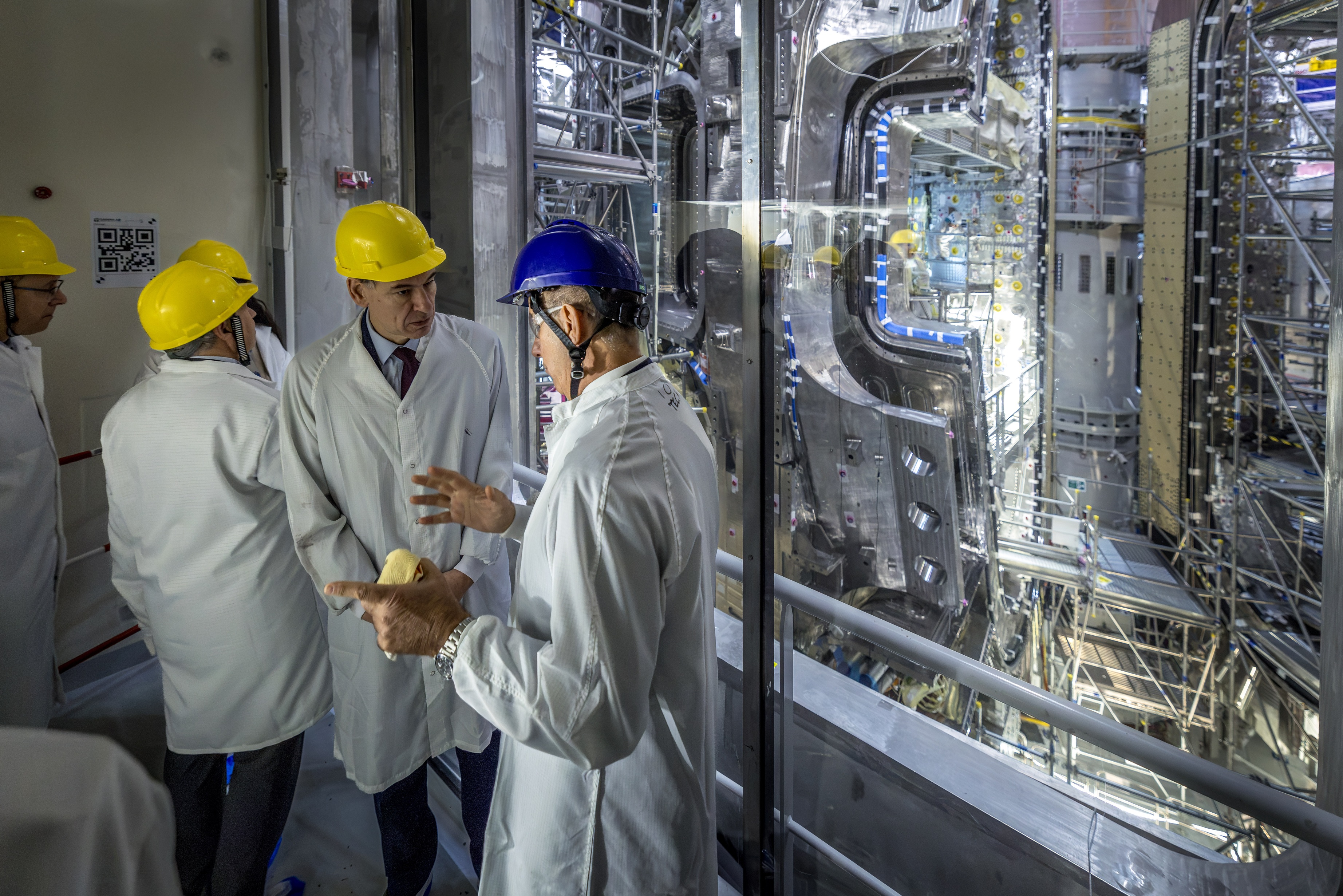
Accompanied by ITER Director-General Pietro Barabaschi, Minister Baptiste toured the ITER construction site before travelling a few kilometres to the CEA's neighbouring research centre to visit the WEST tokamak and formally present France's national fusion strategy.