The conversation deepens
Since 2024, the ITER Organization has convened three public-private fusion workshops—each shaped in different ways by the fast-evolving dynamics of the global fusion ecosystem. The latest edition zeroed in on technological barriers and breakthroughs, and underscored how the consensus is growing that strong public-private partnerships are essential to accelerating the path toward commercial fusion.
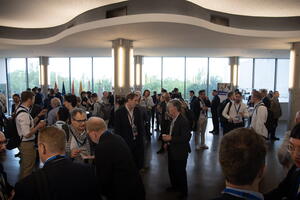
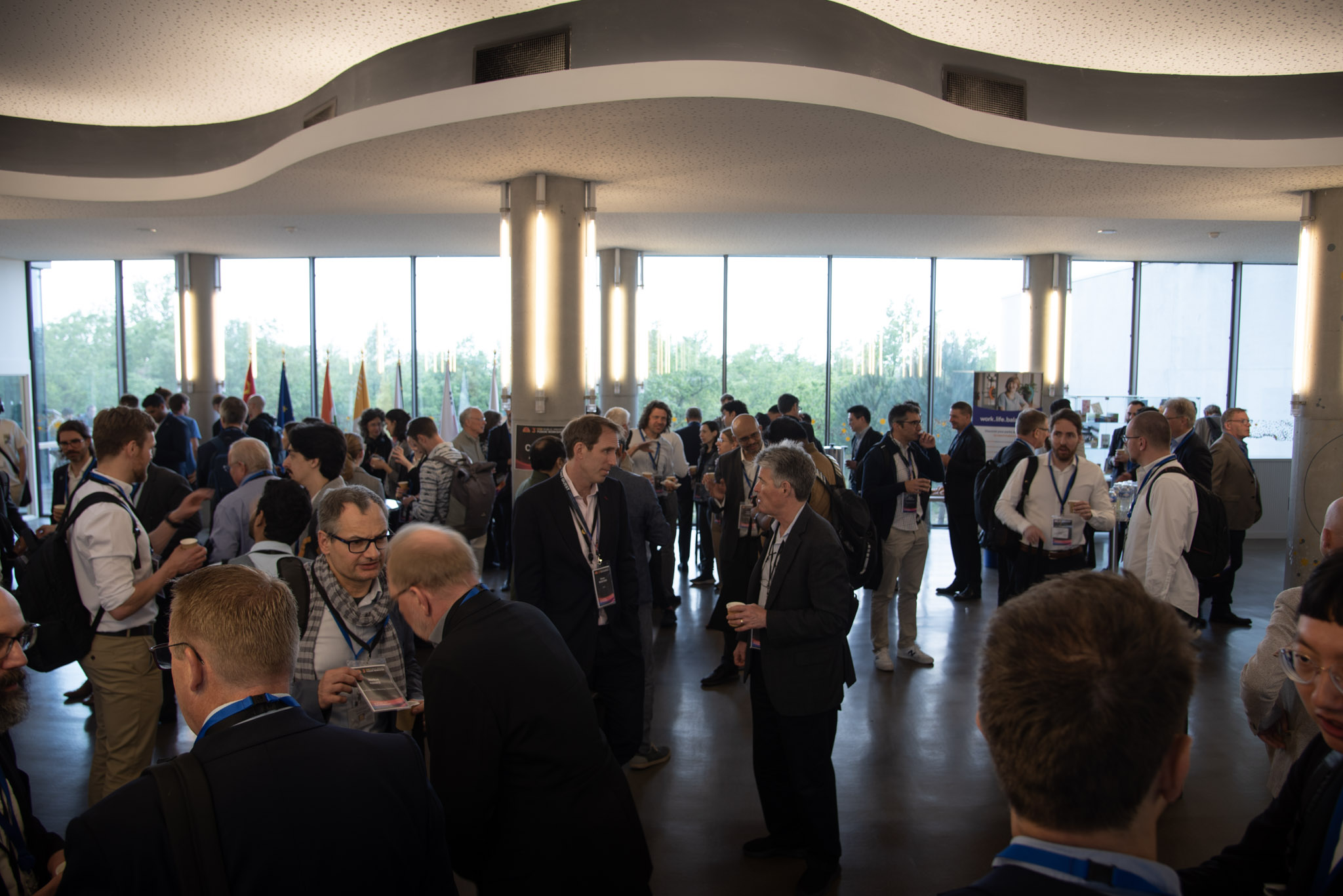
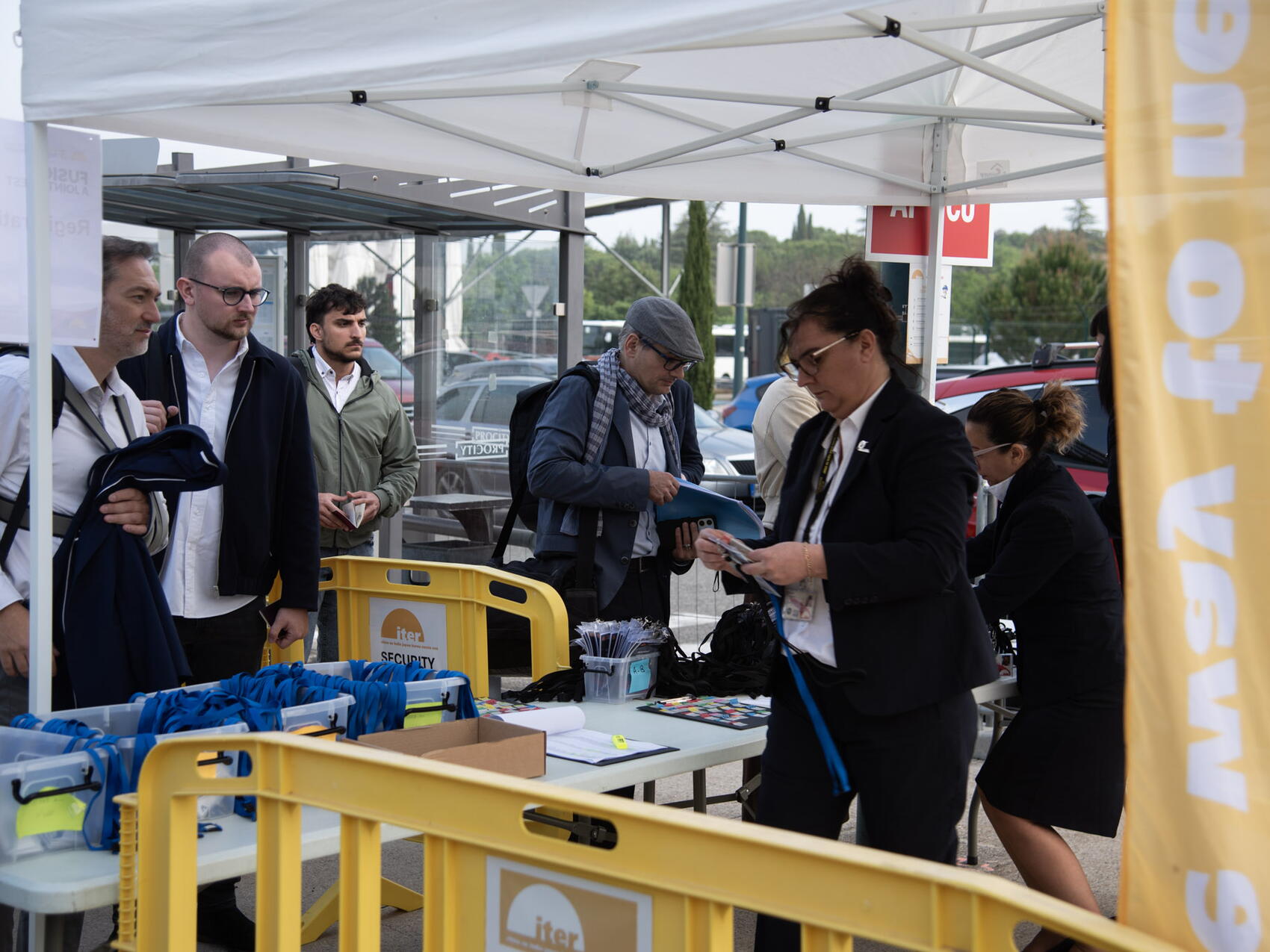
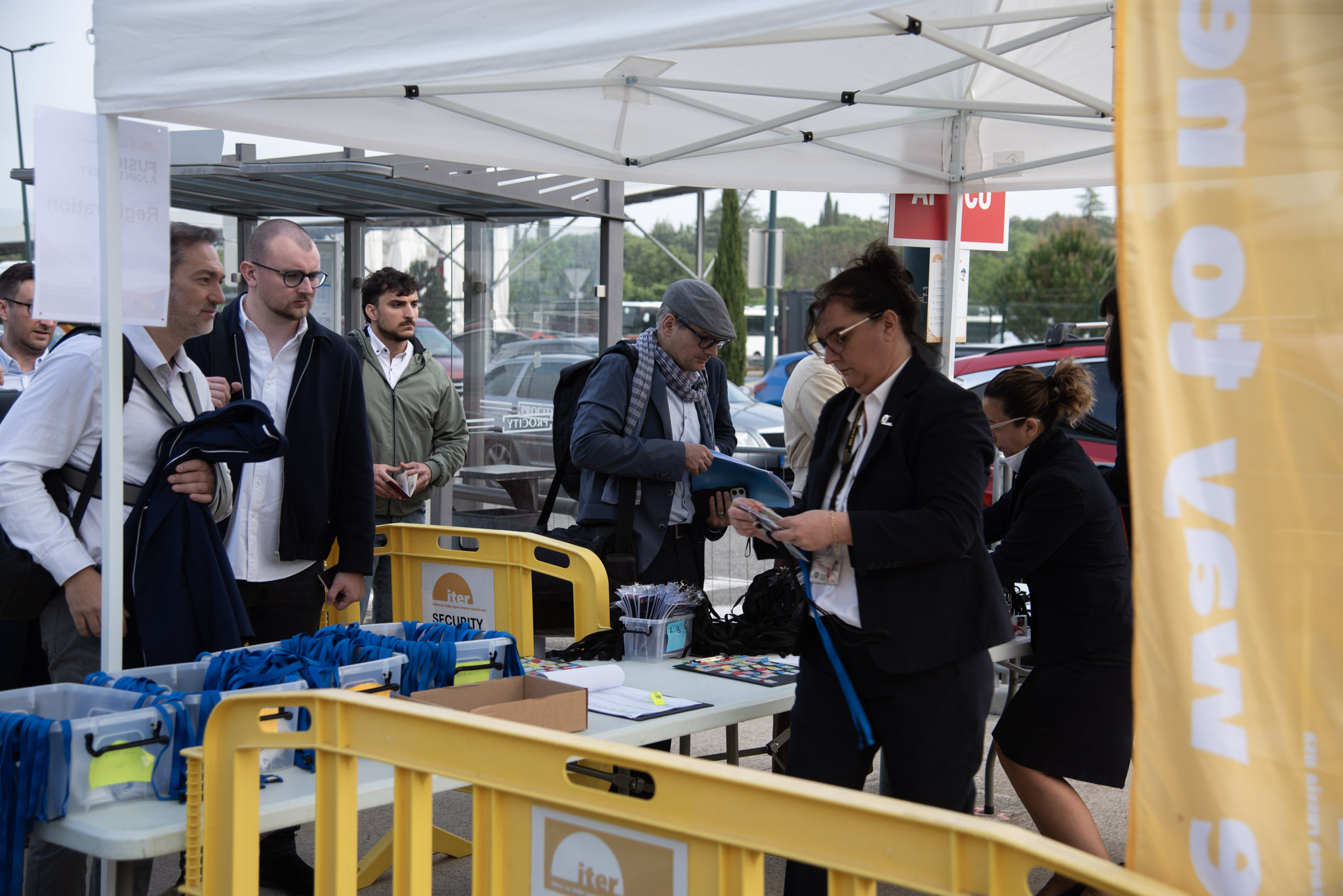
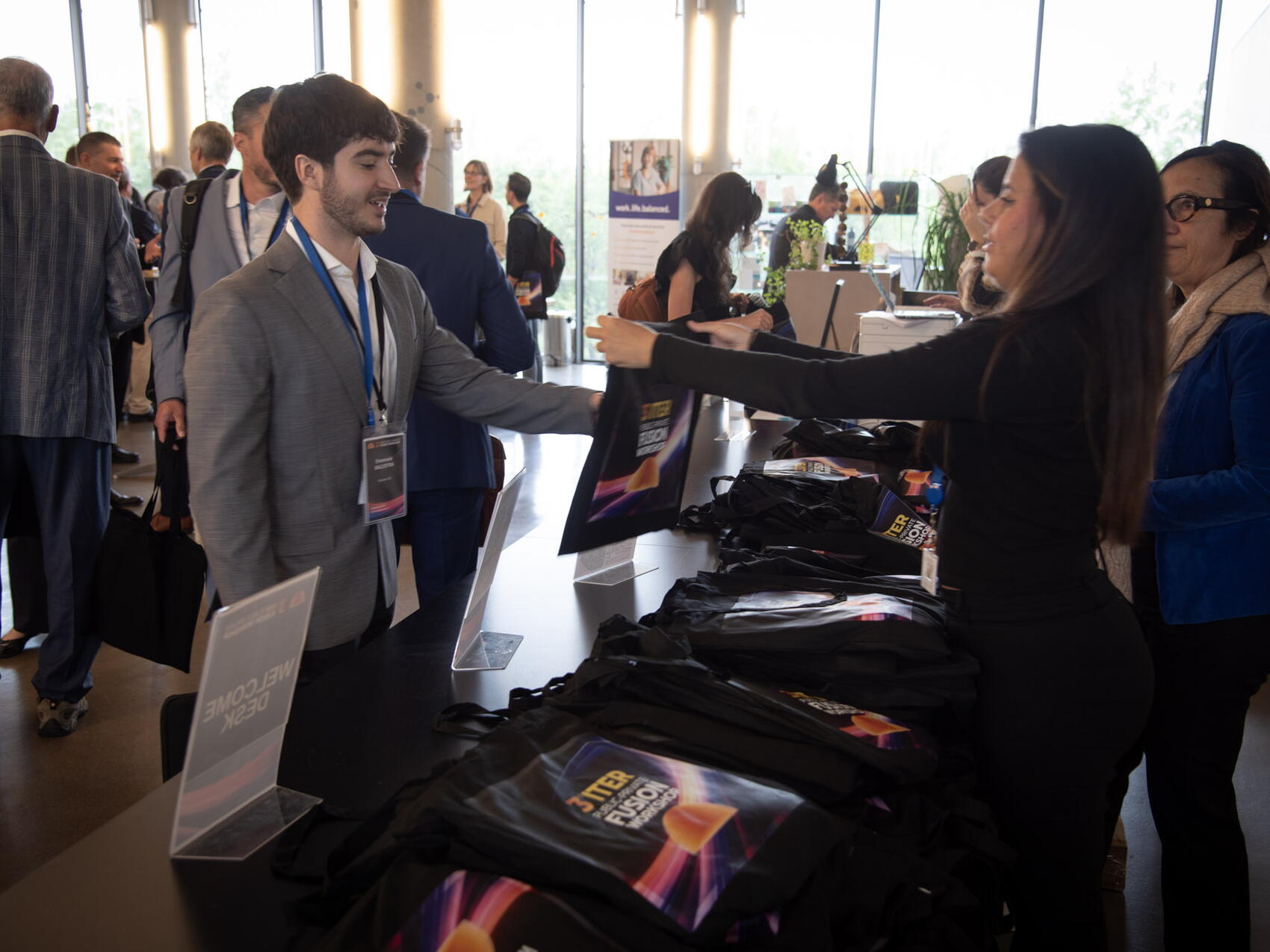
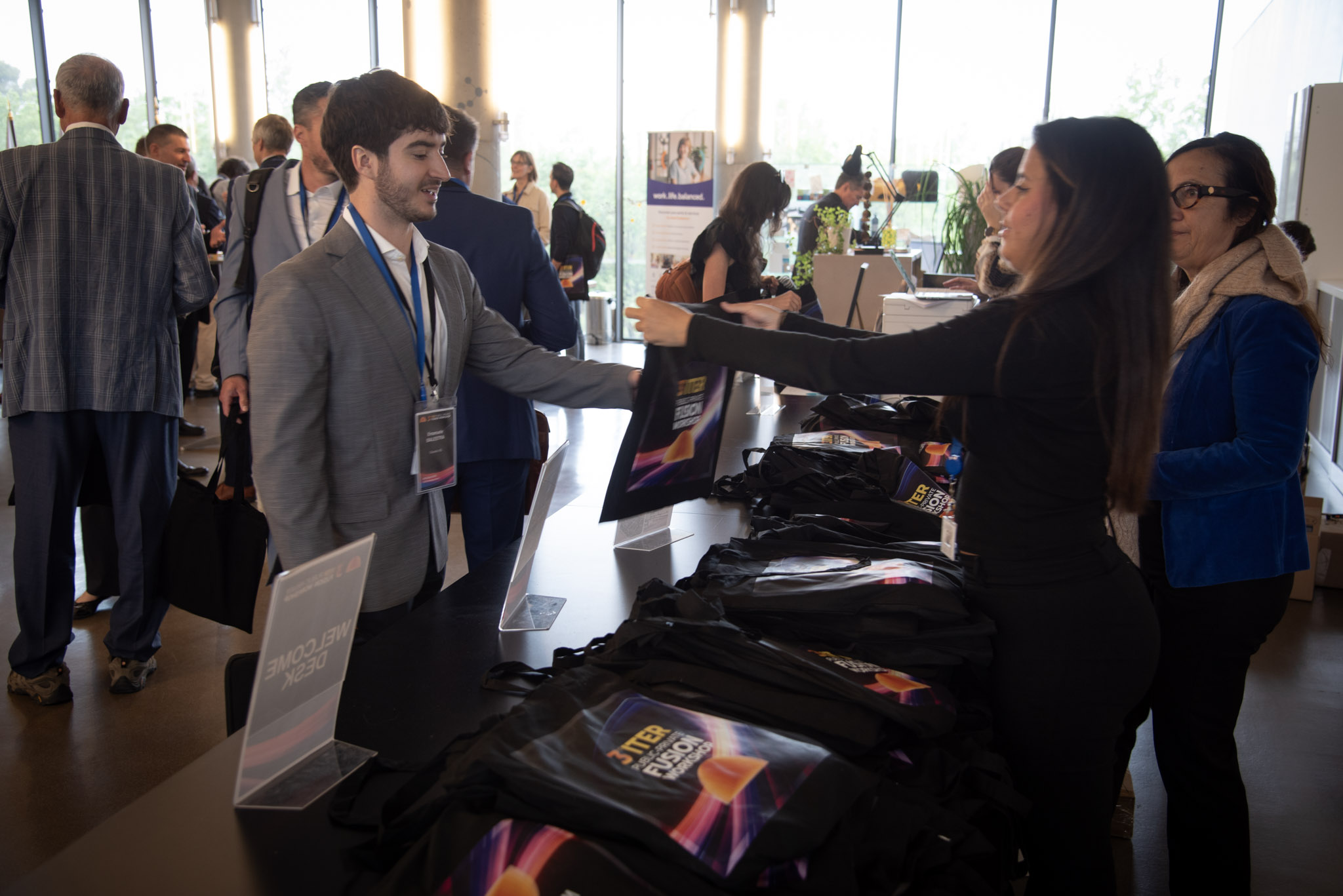
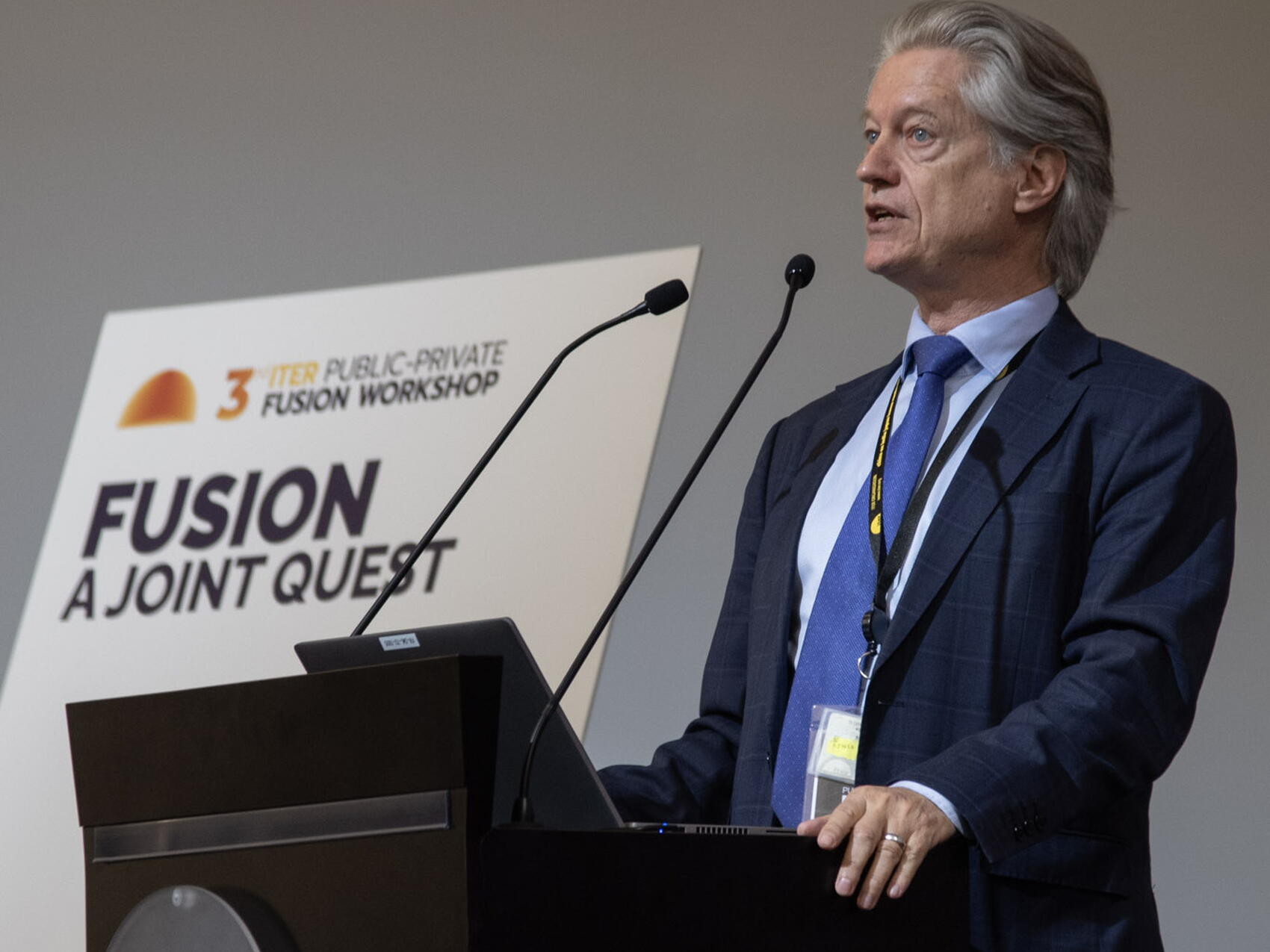
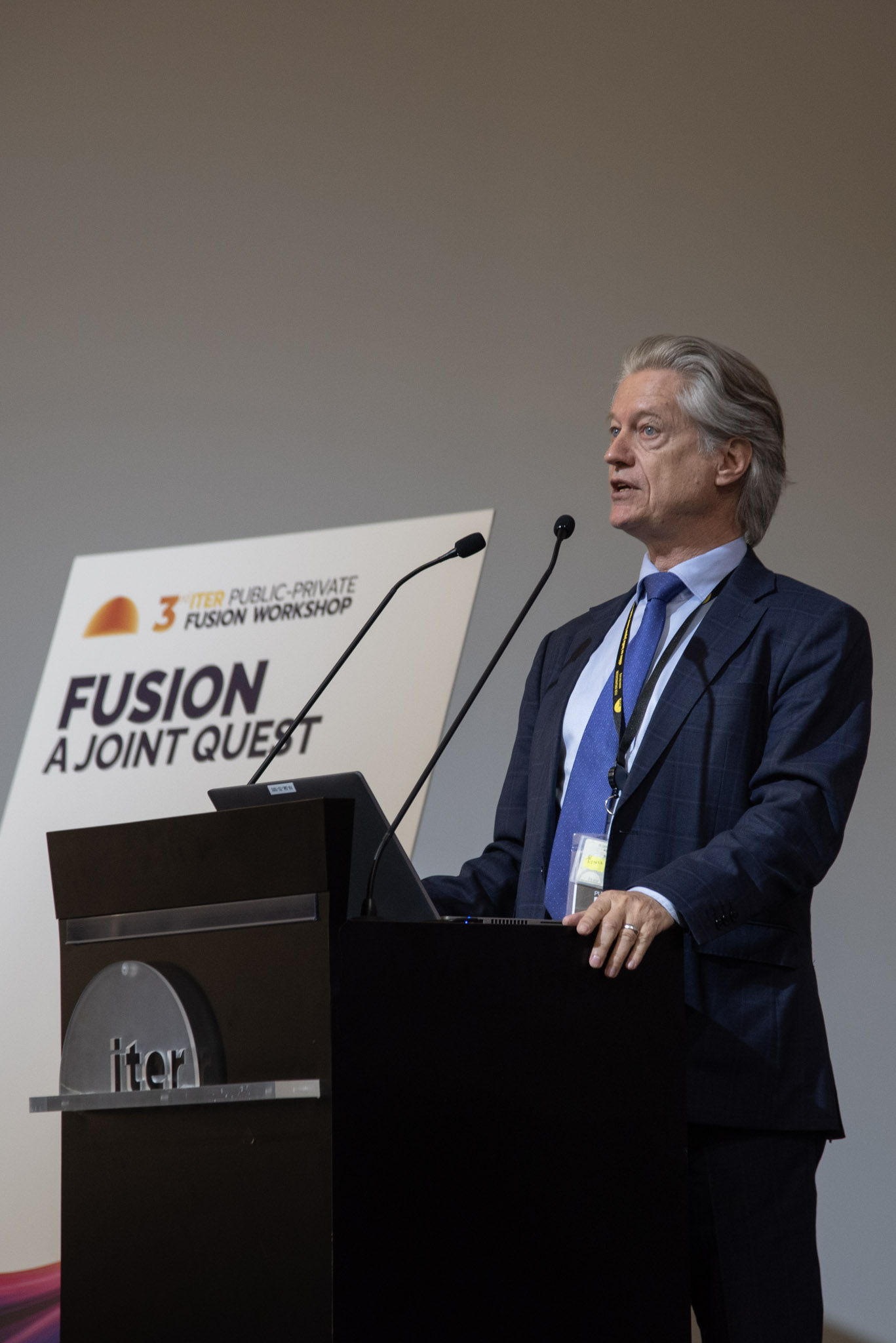
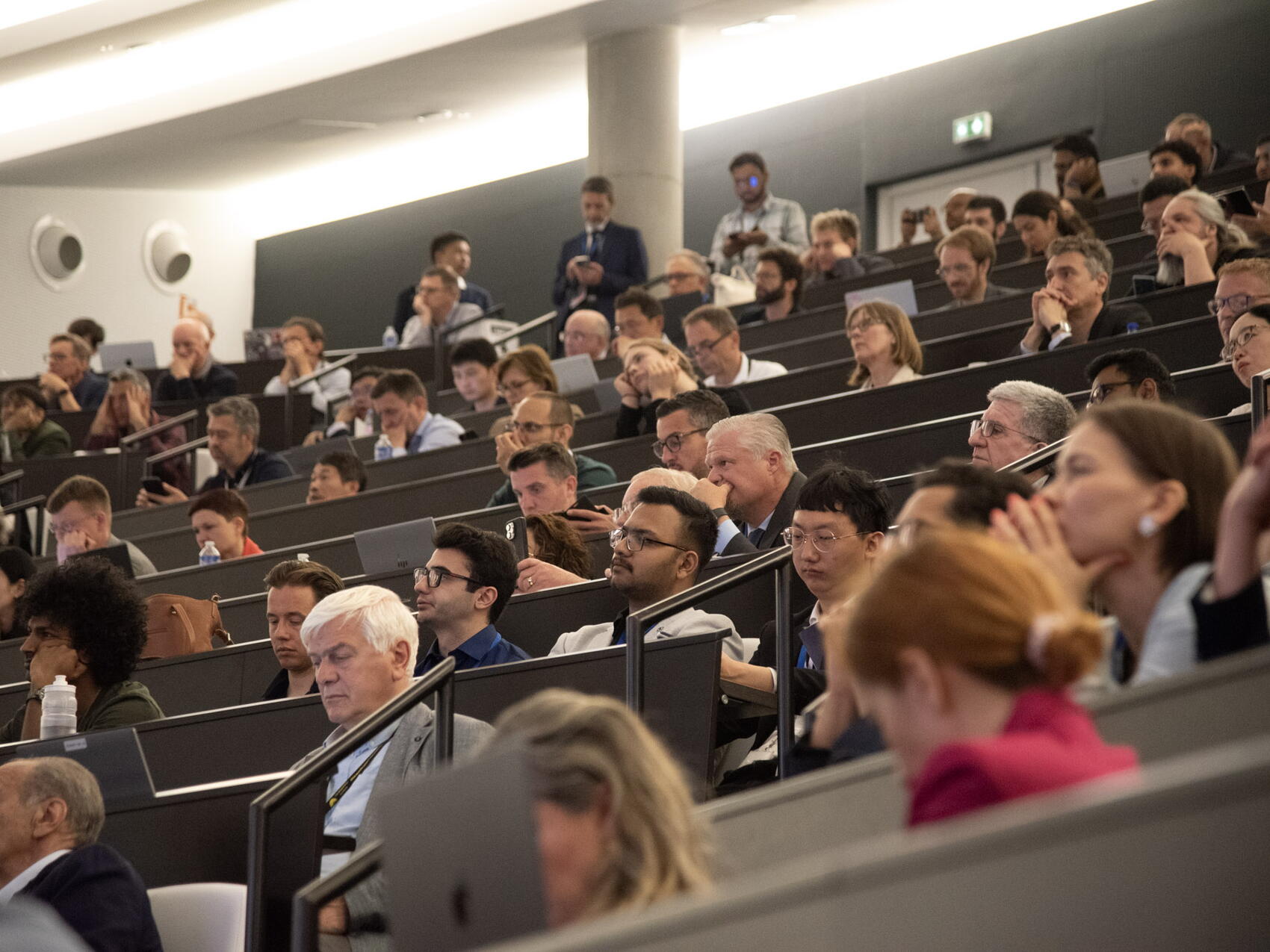
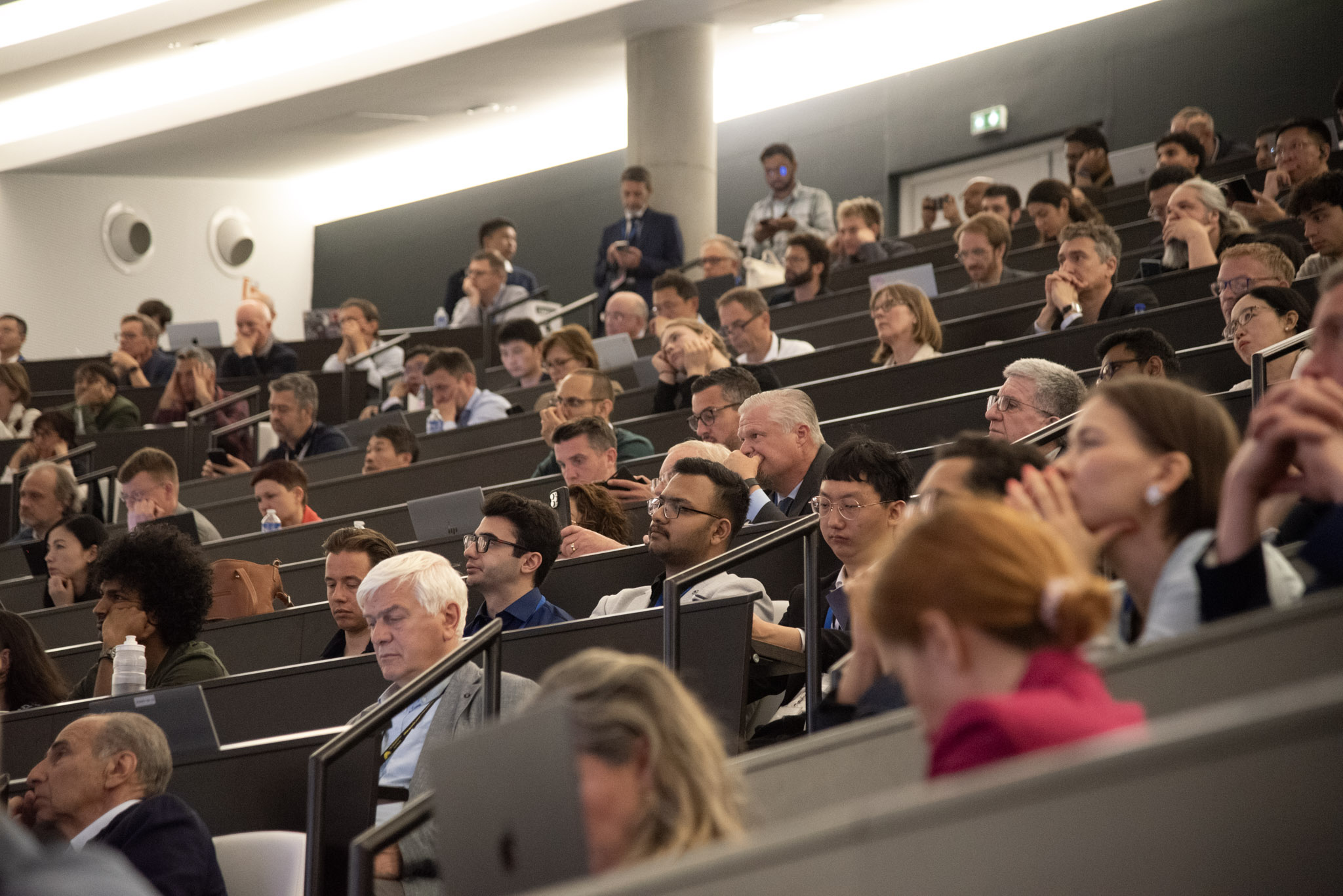
From 27 to 30 April 2026, nearly 300 participants representing private fusion companies, research institutes, suppliers, industry associations, investors, and NGOs travelled to the ITER site in southern France for the third Public-Private Fusion Workshop.
This year’s program centred on technology—how innovation is being applied to persistent challenges, how it is unfolding at different scales across the ecosystem, and what lessons can be drawn from ITER’s experience.
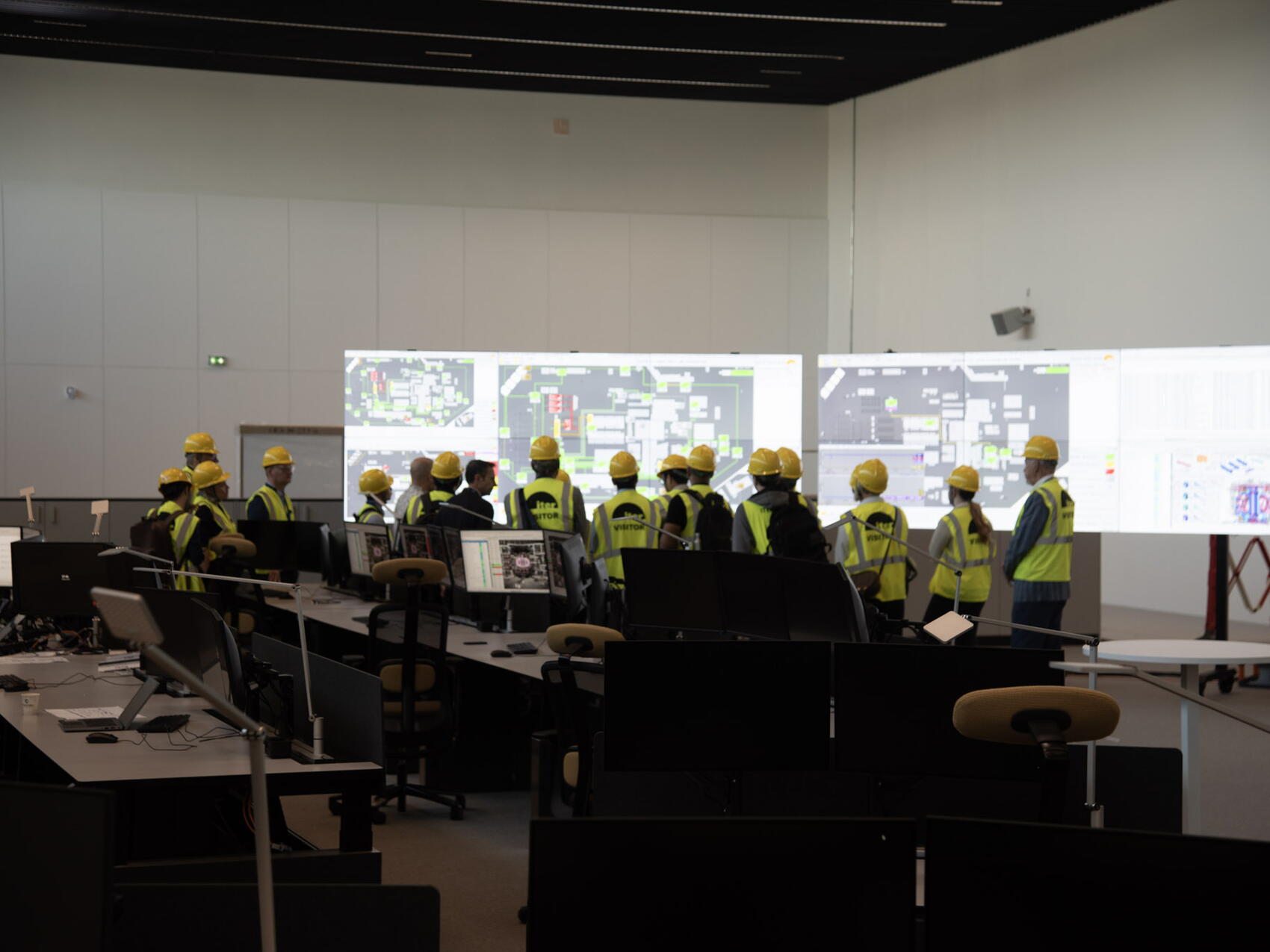
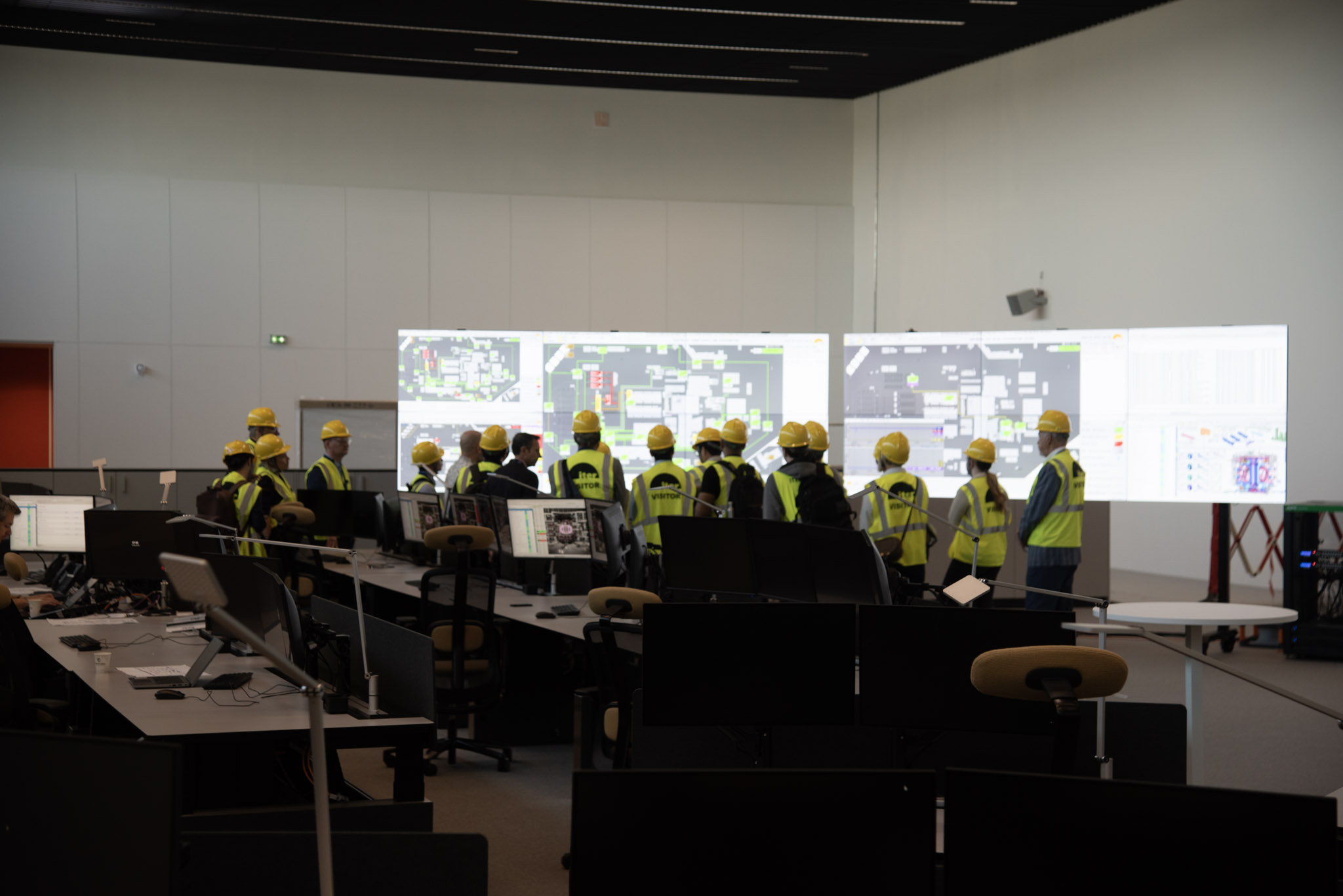
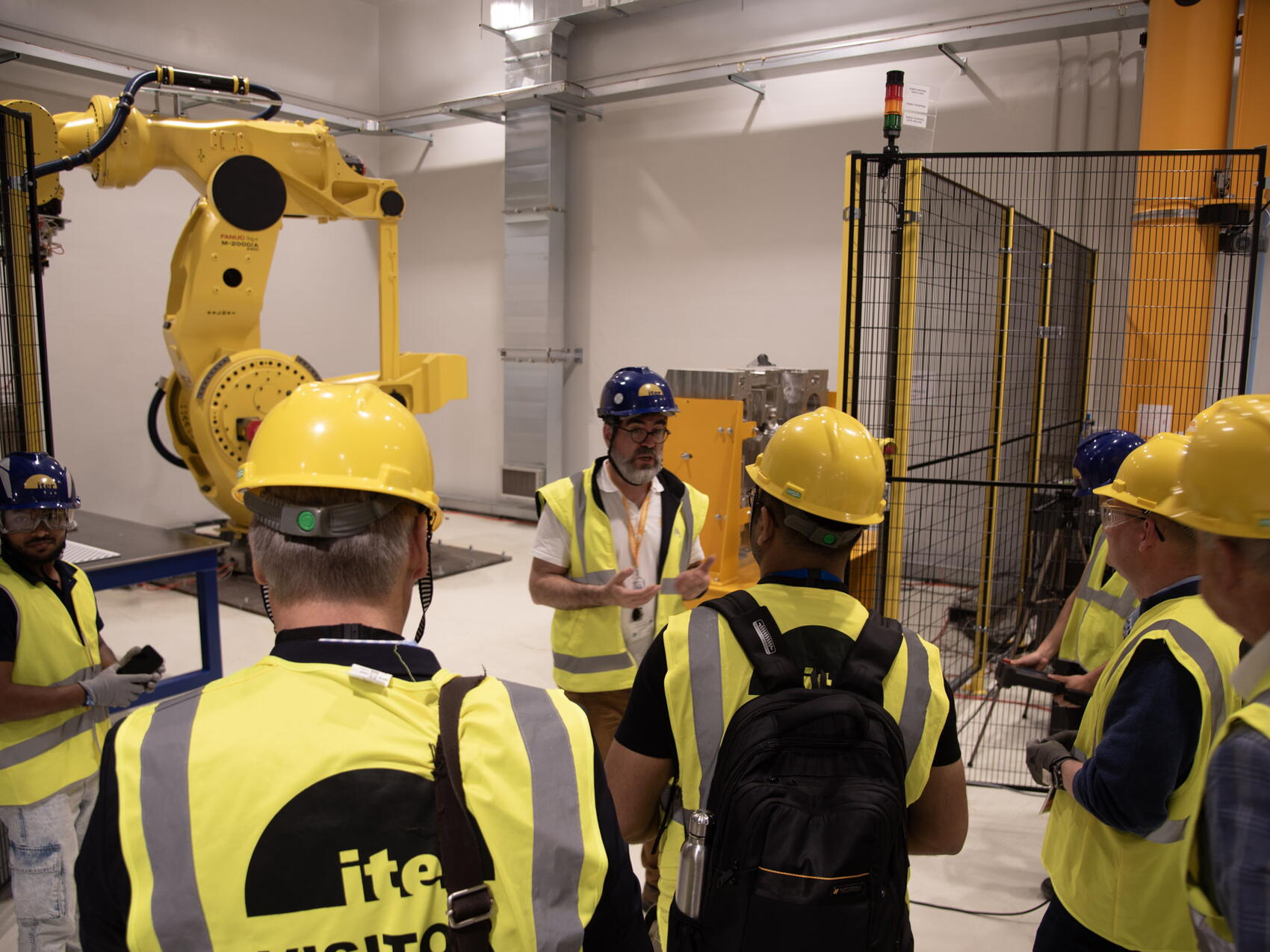
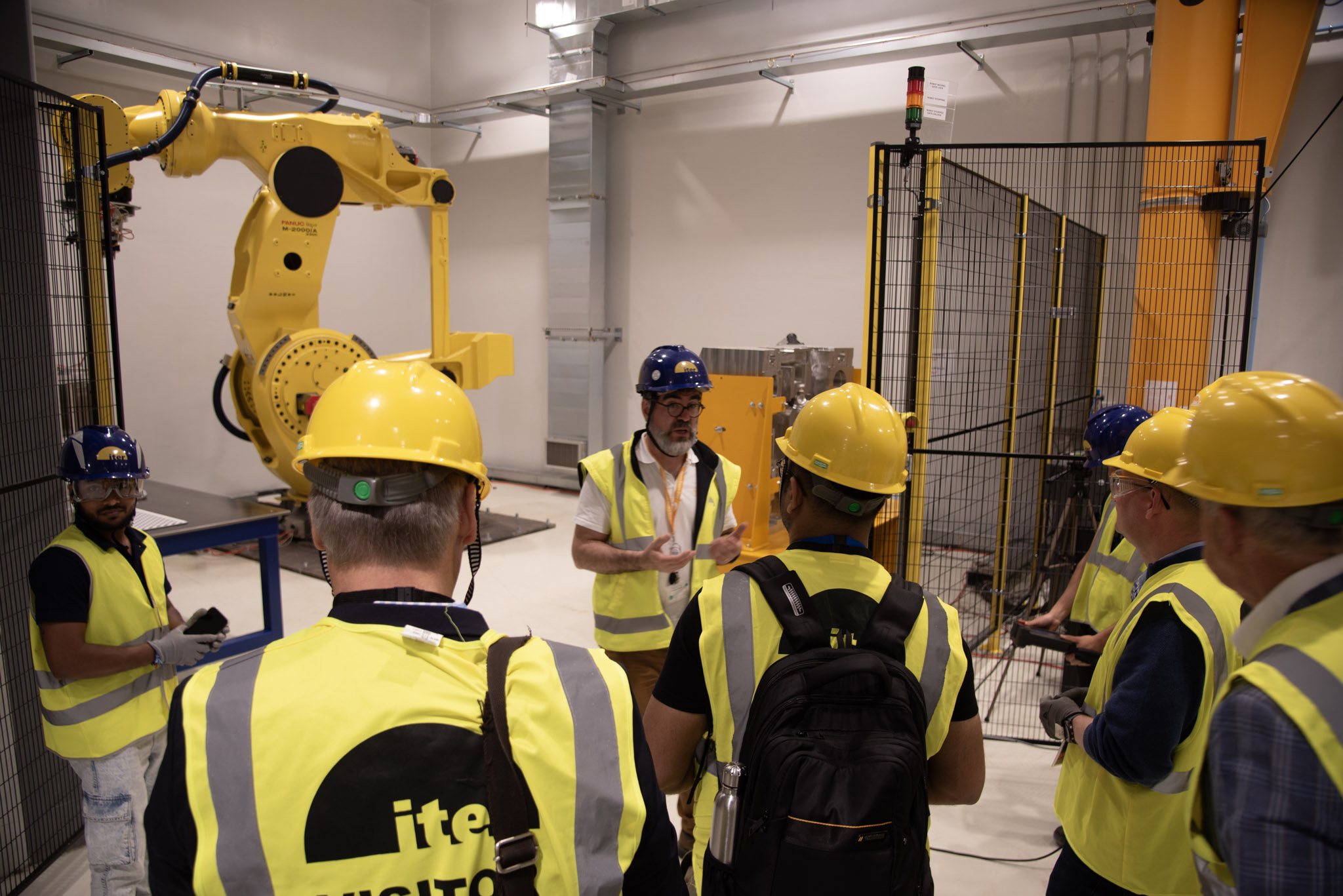
Under the banner “Fusion: A Joint Quest,” the workshop featured two days of panel discussions, thematic breakout sessions, networking opportunities, and direct access to ITER experts. Two additional days were dedicated to tailored site visits, offering participants rare access to the project in action—whether watching ITER’s massive Godzilla component-handling robot in operation, or observing a key milestone (cryostat closure) at the ITER magnet cold test facility.
“I am very glad that we have been able to sustain this interaction,” said the ITER Director-General Pietro Barabaschi as he welcomed participants. “We are not only here to execute the ITER project, we are also here to support the private sector and help accelerate fusion. I am convinced that ITER’s technical experience can be of value to you.” (Read an interview with the ITER Director-General here.)
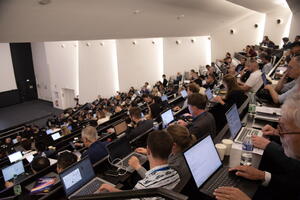
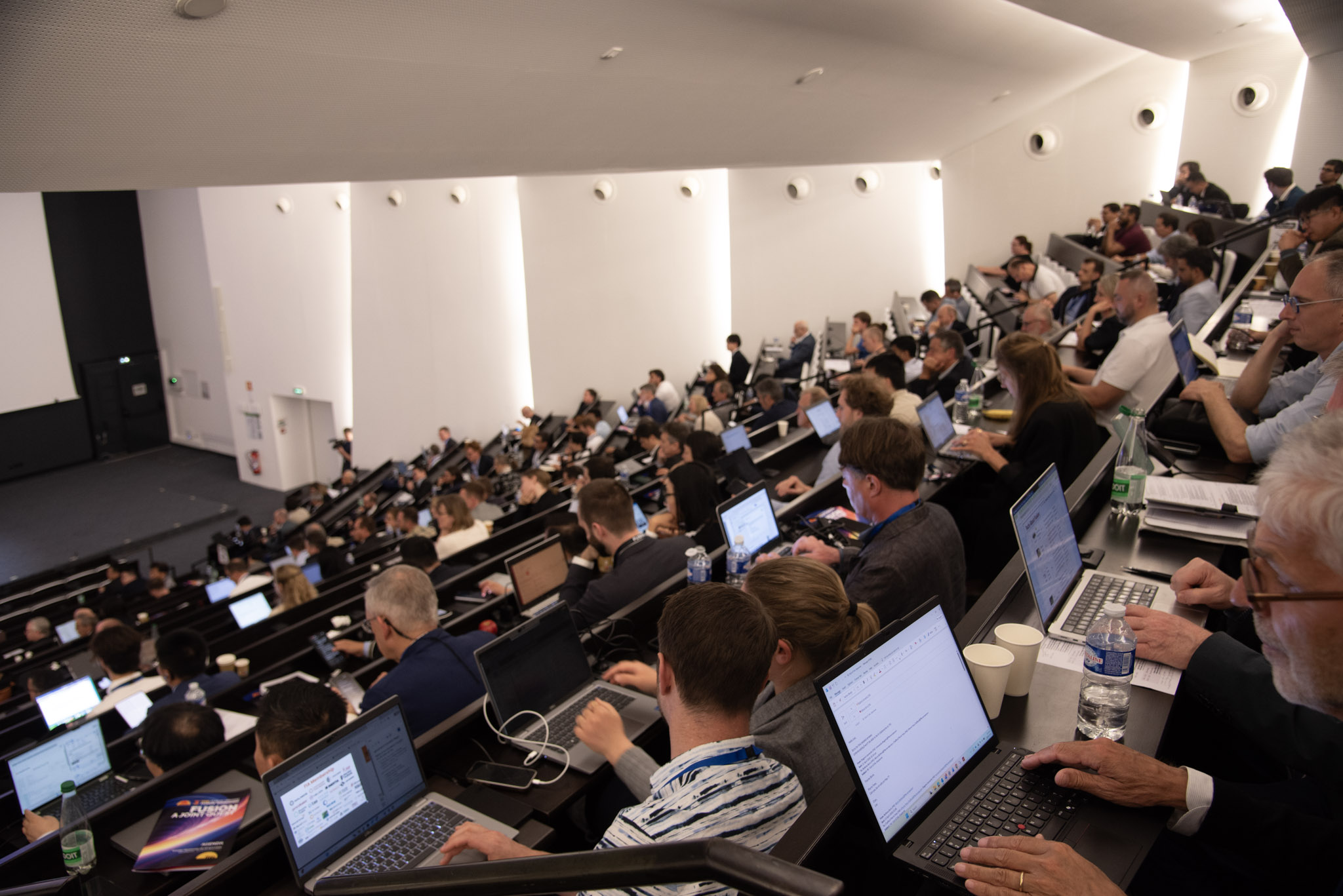
Olga Bakardzhieva, EU Affairs Director for the Fusion Industry Association, set the tone during the opening panel. She described a rapidly evolving fusion ecosystem, citing at least 5,000 jobs in the fusion energy sector, another 10,000 across the fusion supply chain, and private-sector investment surpassing $10 billion. “This is not a short-lived surge but sustained momentum,” she said. “Fusion is entering the discussion on energy resilience and strategic autonomy, with governments increasingly asking, ‘How fast can we build?’”
Panel participant Bernard Blanc stressed the need for long-term policy clarity. Representing the European Fusion Association—whose 60 members from industry aim to speak with one voice in Europe—he emphasized that consistent, long-term signals from governments are key to unlocking sustained industrial investment. “We now have the industrial capacity in Europe. The question is: can we mobilize it?”
In a second-day session on best practices in public-private partnerships and roadmaps to commercial fusion, the consensus was clear—fusion’s potential is gaining broad traction across society, and governments are actively leveraging national laboratories, private enterprises, universities, and research institutions in their strategies. In Japan, the government is seeking even broader participation by engaging insurance, finance, energy, and logistics companies to “prepare deployment of fusion energy in society,” according to Masatsugu Sakaguchi from the Japanese fusion association J-Fusion.
With its decades of experience in designing and building a fusion reactor, the ITER Organization sees itself as a “facilitator,” according to Chief Strategic Advisor Laban Coblentz, who has led the ITER workshop initiative from the beginning. “Here at ITER, we understand how the public and private fusion sectors complement one another and we want to be used to facilitate solutions for the remaining challenges.”
Consultation with interested parties—including through the 2024 and 2025 workshops, has helped formalize pathways for ITER knowledge-sharing. Today, a single-entry point centralizes all requests—the Private Sector Fusion Engagement Project. See the new resource page here.
As Bakardzhieva concluded, “Fusion is no longer only about proving what is possible, it’s about delivering what is needed.”
Scroll through the gallery below for images of the workshop.