
Turning tritium breeding into reality
While ITER will benefit from the tritium available worldwide, fusion energy fuelled by deuterium-tritium reactions will require efficient and reliable tritium breeding technologies. Testing them and validating the design basis for industrial manufacturing are essential steps that ITER is completing through its Test Blanket Module (TBM) Program. ITER will be testing four concepts during its first deuterium-tritium (DT-1) operation phase; this summer, all four passed preliminary design reviews.
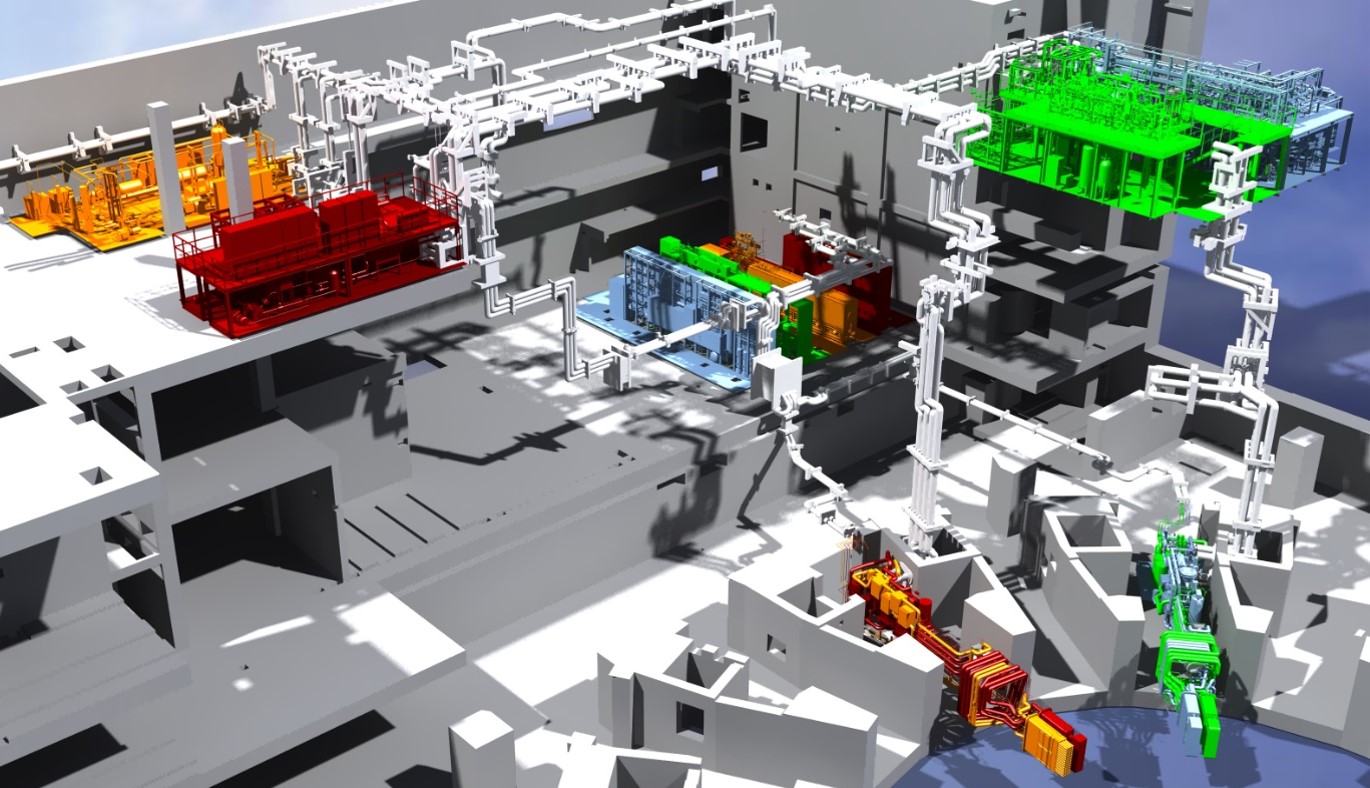
Testing tritium breeding has been a major ITER mission since the start, as captured in the “Final Report of the ITER Engineering Design Activities” (IAEA/ITEREDA/DS/21), the technical foundation of the ITER Agreement. After the signature of the ITER Agreement, the TBM Program was established by the ITER Council in 2008 (IC-3) with specific governance and resources.
Each of the design review events at ITER gathered more than fifty scientists and engineers, in-person or remote, to present or review the different test blanket system configurations and the extensive engineering assessments that have been performed to demonstrate the preliminary readiness for integration, safety and operation on ITER and—beyond ITER—the suitability of the solutions for tritium breeding in the next-phase DEMO devices.
“The awesome challenge of the ITER Members is to develop the test blanket system technologies that can be tested in ITER then incorporated as breeding blanket solution for the DEMO reactor, or other future fusion reactors after ITER,” says Rossella Rotella, Project Leader of the Tritium Blanket Breeding Section.
To prepare the ground for use in DEMO reactors, each test blanket system is designed to be independently integrated and operated on ITER, equipped with dedicated coolant, tritium extraction, purification, and instrumentation and control systems.
During the first deuterium-tritium operation phase (DT-1), ITER will be testing four tritium breeding concepts:
- Water-Cooled Lead-Lithium (WCLL) technology, developed by Europe
- Water Cooled Ceramic Breeder (WCCB) technology, developed by Japan
- Helium Cooled Ceramic Breeder (HCCB) technology, developed by China
- Helium-Cooled Ceramic Pebble (HCCP) technology, developed jointly by Korea and Europe
Each test blanket system is made up of a test blanket module (TBM) placed near the plasma containing the tritium breeder and the neutron multiplier together with its primary coolant for power-production-facility-grade heat removal; a shield placed behind the TBM to limit nuclear heating on the superconducting magnets and radiological exposure on personnel; a frame hosting two TBMs and their shields; a neutron activation system for characterization of the TBM neutron behaviour and modelling; and ancillary systems to maintain each test blanket system in operation and to monitor its performance.
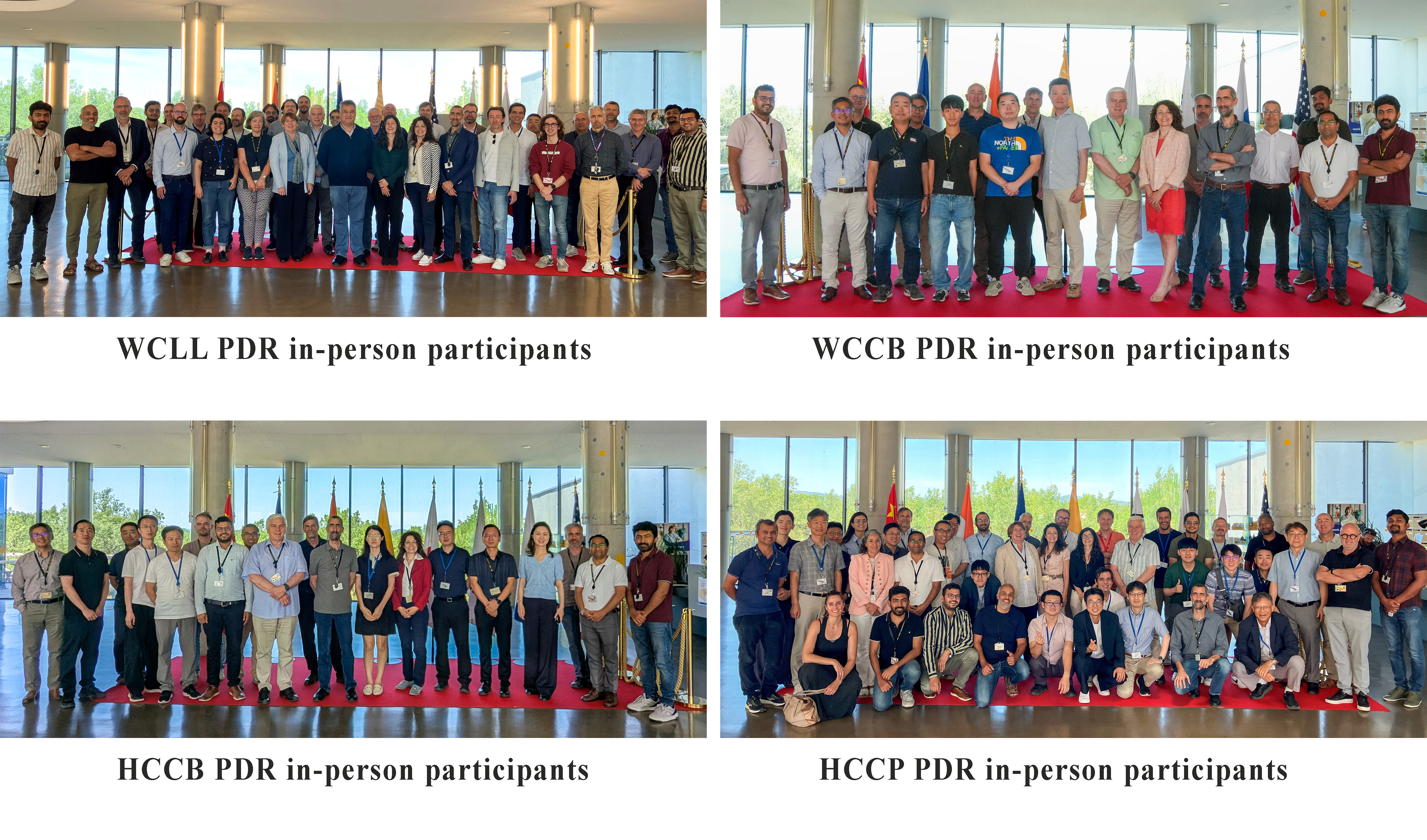
Decades of technological and engineering development through the ITER Test Blanket Module (TBM) Program have led to the important milestones reached this summer. The ITER Members and the ITER Organization worked together to prepare the detailed engineering analyses and technical documents that underpin each of the test blanket system technologies. That included about 1,000 deliverables—models, electromagnetic analyses, thermal-hydraulic and mechanical verifications, nuclear and safety assessments, diagrams, drawings, equipment lists and classifications, manufacturing feasibility plans, and finally plans for installation, commissioning, operations, maintenance and decommissioning. This demonstrates the maturity of the four test blanket system technologies and marks their readiness for the final engineering phase. The documentation also importantly provides the evidence of solution compliance with the TBM Program Research Plan, which establishes the detailed testing objectives of the test blanket program at ITER.