
Teams from around the world meet as tritium plant contracts advance
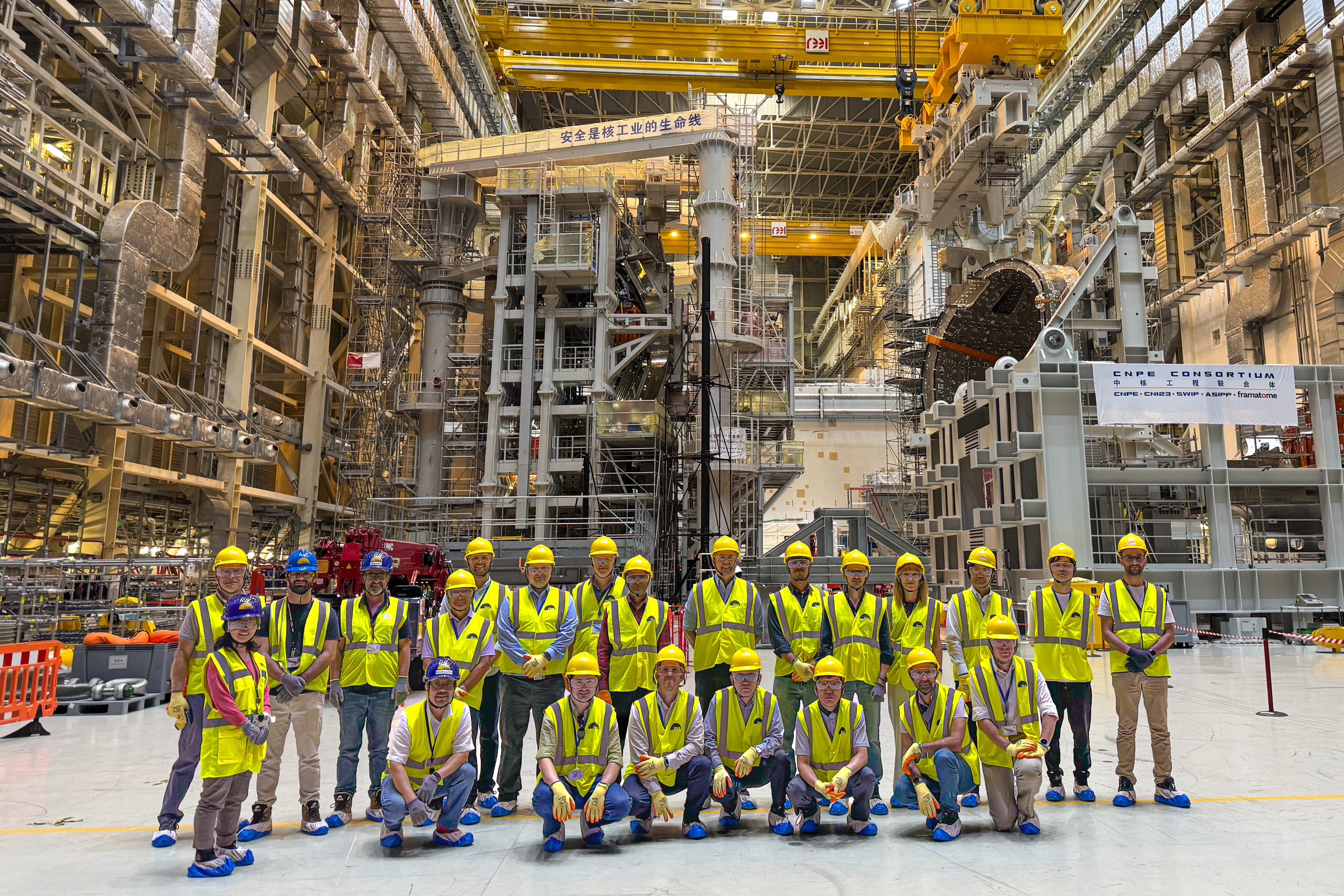
The third Tritium Plant Summit brought together more than 70 participants from the ITER Organization, Domestic Agencies, industry partners, and contractors as work progresses on this essential ITER facility.
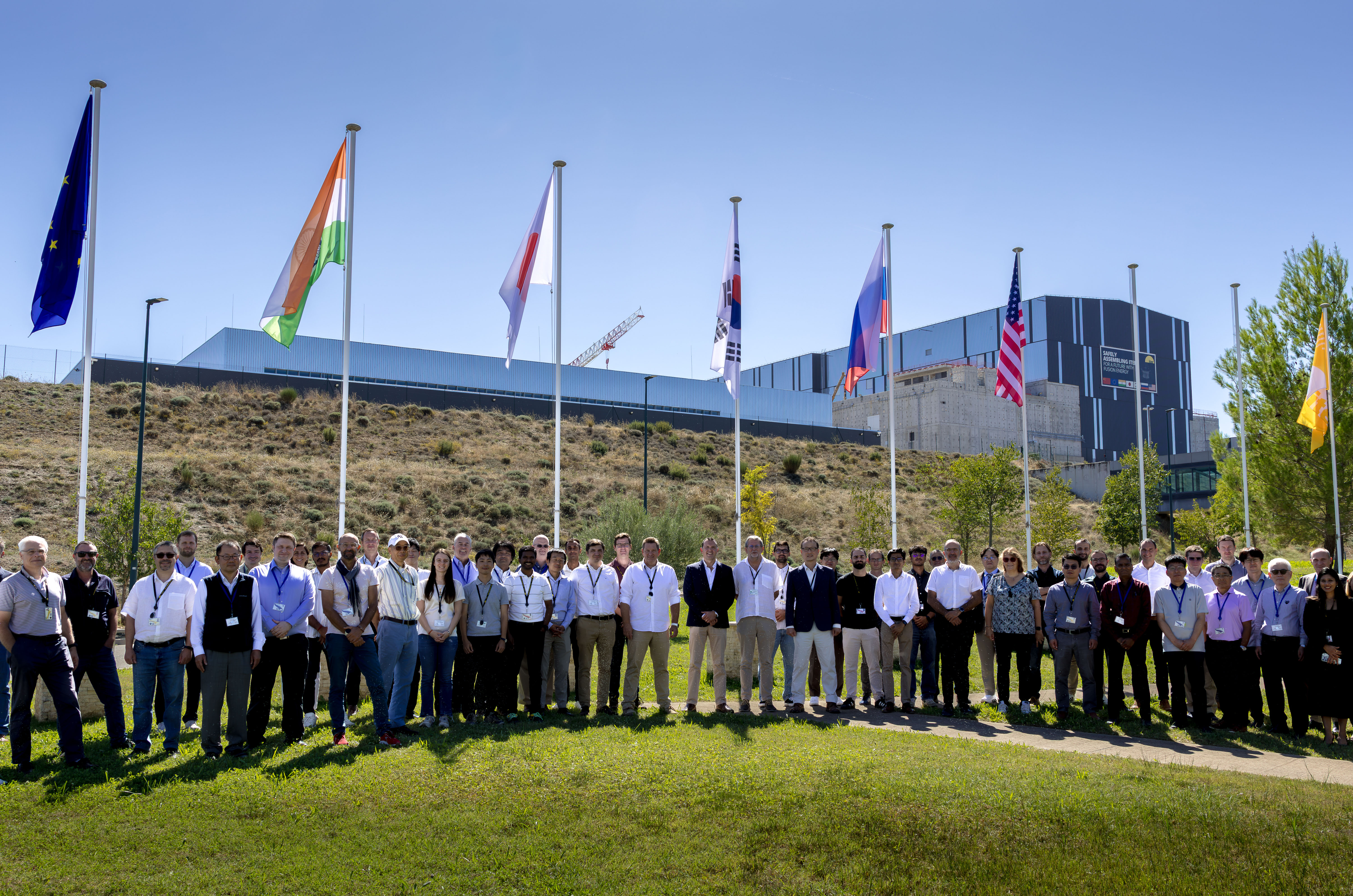
Held at ITER from 15 to 18 September, the strong international participation at the Tritium Plant Summit reflected the importance of the facility to ITER's mission. Representatives from the European, Japanese, Korean, and United States Domestic Agencies participated alongside colleagues from Agence ITER France and experts from ITER’s construction, central integration, and licensing teams. Industry partners and suppliers also attended the summit, including Amentum International, Atkins France, CES Co. Ltd, and JGC Corporation.
“Tritium handling, processing, recovery and recycling are some of the big technical issues for fusion development and this summit is an opportunity to bring everyone across the project together to make progress on these topics,” said Tritium Plant Project Leader Ian Bonnett. “This year’s event was particularly important because we have reached a level of maturity at which contracts are being placed. Suppliers attended the summit to share experiences and discuss common challenges, allowing us to break new ground and solve problems together.”
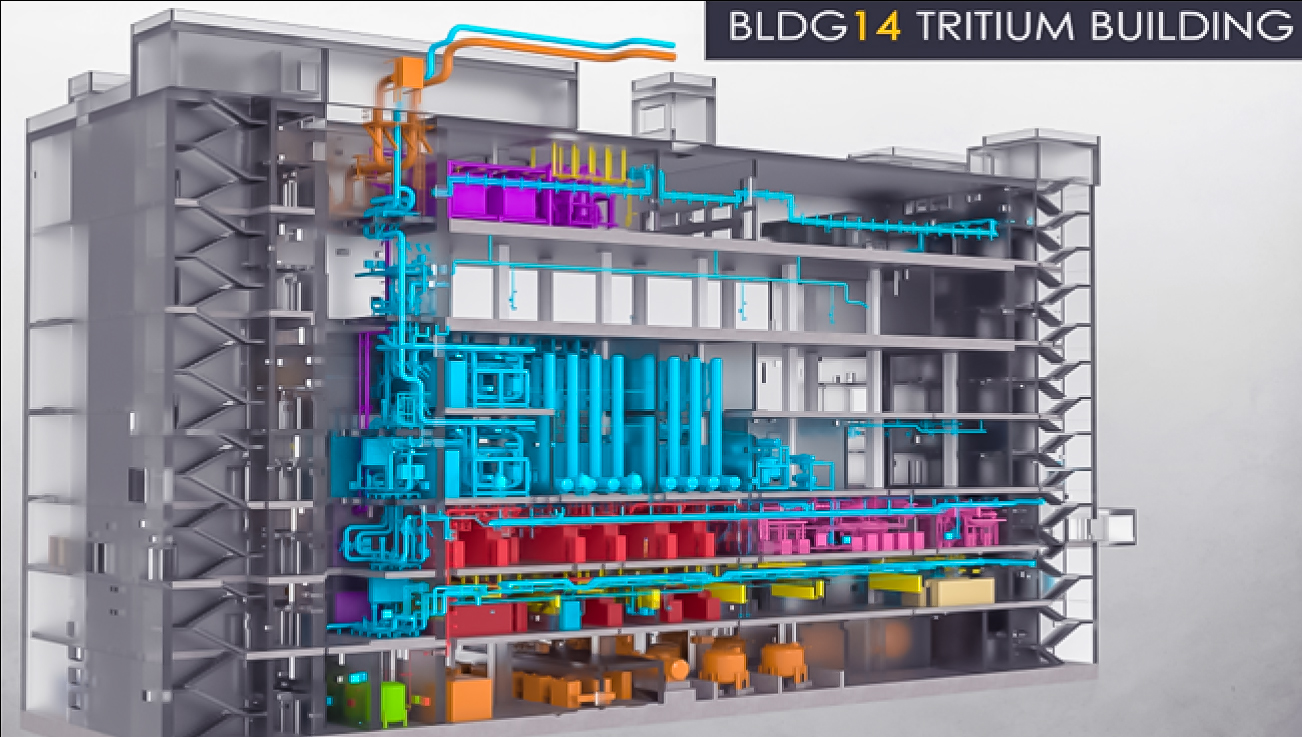
A mixture of deuterium and tritium is considered the most promising fuel for first-generation fusion power plants and ITER will use this fuel in experiments following the initial Start of Research Operation phase. Because tritium is scarce in nature, its safe handling, recovery and reuse—and ultimately its breeding within future fusion power plants—are central challenges for fusion energy. ITER’s tritium plant will receive, store and process tritium, separate it from other gases, and recycle it through the fuel cycle, while ITER’s test blanket module program will test technologies designed to breed tritium from lithium.
Tritium plant summits were previously held in 2023 and 2024. Since the last summit, significant progress has been achieved across ITER, providing important context for the tritium plant’s development. The vacuum vessel and thermal shields have been fully repaired, and six sector modules have now been successfully installed in the tokamak pit. Major plant systems have also entered commissioning, with key facilities including the cryoplant, cooling water system, magnet power conversion system, and neutral beam power supplies handed over for commissioning activities.
For the tritium plant project, all systems have now reached final design status, marking a major project milestone. Fabrication and installation of the first components is continuing, notably captive components such as water tanks and piping networks, which represents an important transition from design into delivery and execution. During the summit, participants presented updates on their respective scopes and discussed plans for the next phase of delivery, with equipment arrivals for this phase currently scheduled for 2028.
Among the project updates:
* The European Domestic Agency Fusion for Energy (F4E) presented its new engineering framework for the isotope separation system that receives the purified hydrogen isotope steam and separates deuterium from tritium; and the water detritiation system that recovers tritium from tritiated water and returns it to the fuelling stream.
* The Korean Domestic Agency reported that major storage and delivery system contracts have been awarded.
* The US Domestic Agency highlighted progress with the tokamak exhaust processing system glovebox that receives reactor exhaust and separates out impurities from the hydrogen isotopes, and it also outlined the procurement of long-lead items.
* The Japanese Domestic Agency presented its contract for the detailed design of the tokamak complex detritiation system central processing plant.
A recurring theme throughout the summit was the value of standardization and coordinated equipment qualification. Participants shared experience gained from qualification programs covering valves, instrumentation and other components, highlighting opportunities to improve consistency, reduce duplication and make better use of specialist expertise across the international project.
The presentations also highlighted the increasing focus on industrial execution and risk reduction. Domestic Agencies reported progress on major procurement activities, while engineering partners presented work on design maturation, prototyping and qualification of key technologies. These activities are intended to reduce technical, manufacturing and schedule risks as systems move towards fabrication and installation.
Bonnett said he was encouraged by the progress made at the summit. “I am confident that, by continuing to work together as one team, we can successfully meet these challenges and deliver the tritium plant safely and efficiently."
To learn more about the ITER tritium plant, you can watch this ITER Talks video with Ian Bonnett.