15th ITER International School concludes in China
The 15th ITER International School on the physics and engineering of heating and current drive systems for magnetic fusion plasmas concluded successfully in Leshan, Sichuan Province, China, on 24 July after five days of lectures and discussions. More than 180 students and lecturers from 22 countries participated.
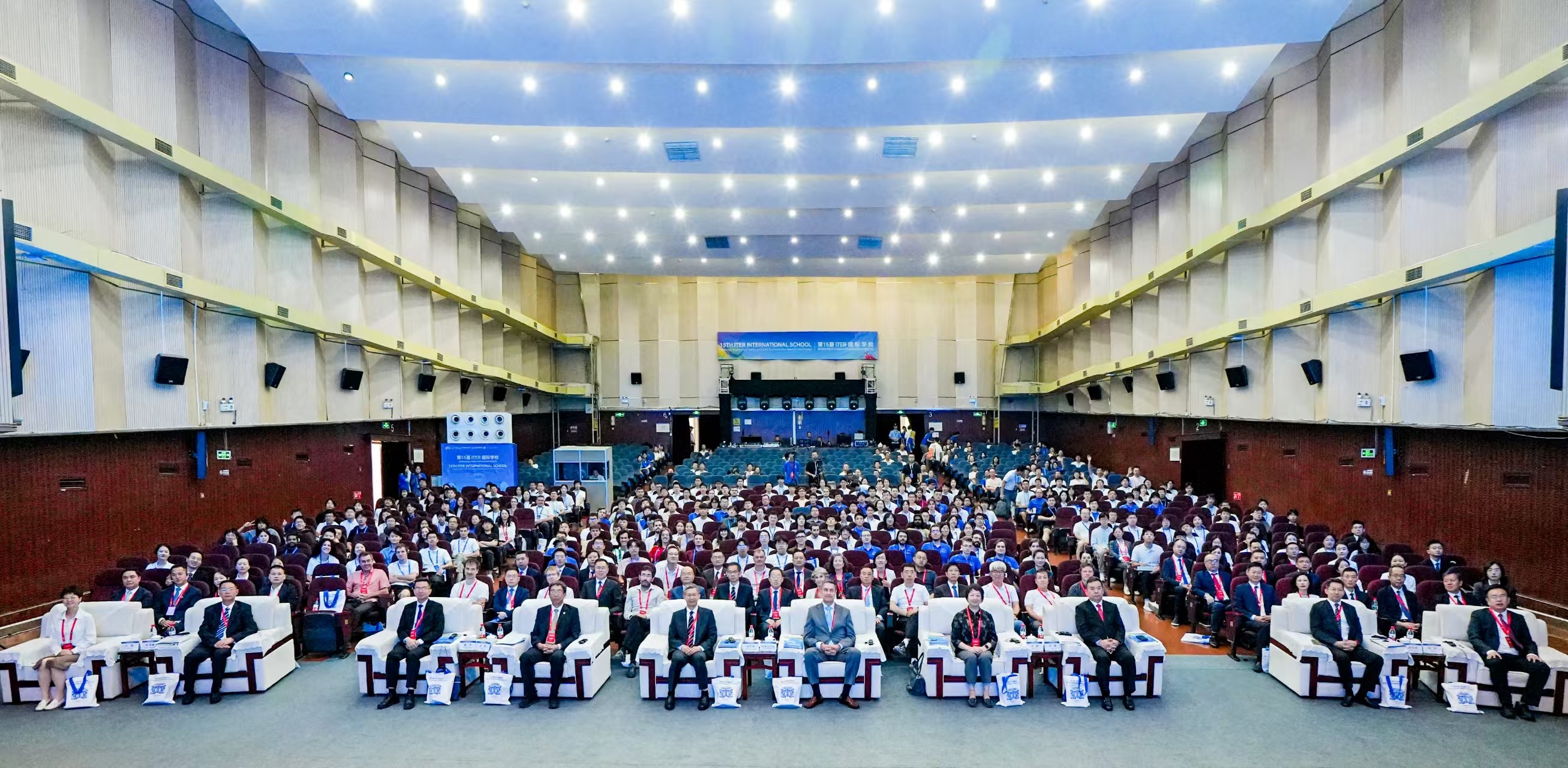
The latest ITER International School was the 15th in the series, which alternates between sites within the ITER Member countries and Aix-en-Provence, France. This time the school took place in Leshan, Sichuan Province, China and was hosted by Southwestern Institute of Physics (SWIP) and the Engineering & Technical College of Chengdu University of Technology. Leshan is the cradle of China's fusion program, making it a particularly appropriate venue for an ITER school focused on the next generation of fusion scientists and engineers.
This year’s school focused on heating and current drive systems which are essential for the achievement of ITER’s fusion power demonstration goals—not only for heating the plasma to the high temperatures required for thermonuclear deuterium-tritium fusion to occur, but also for driving electric currents in the plasma and controlling its behaviour. Lectures delivered by 17 prominent specialists from the ITER Members addressed the engineering of heating and current drive systems as well as the physics processes associated with their use for plasma heating, current drive, and the control of plasma scenarios in magnetic fusion devices.
Together, the lectures covered the use of heating and current drive systems in current-day devices, their place in the ITER Research Plan, as well as the status of their manufacturing for ITER. More targeted topics such as countering plasma instabilities or the simulation of heating and current drive models within integrated modelling approaches were also addressed.
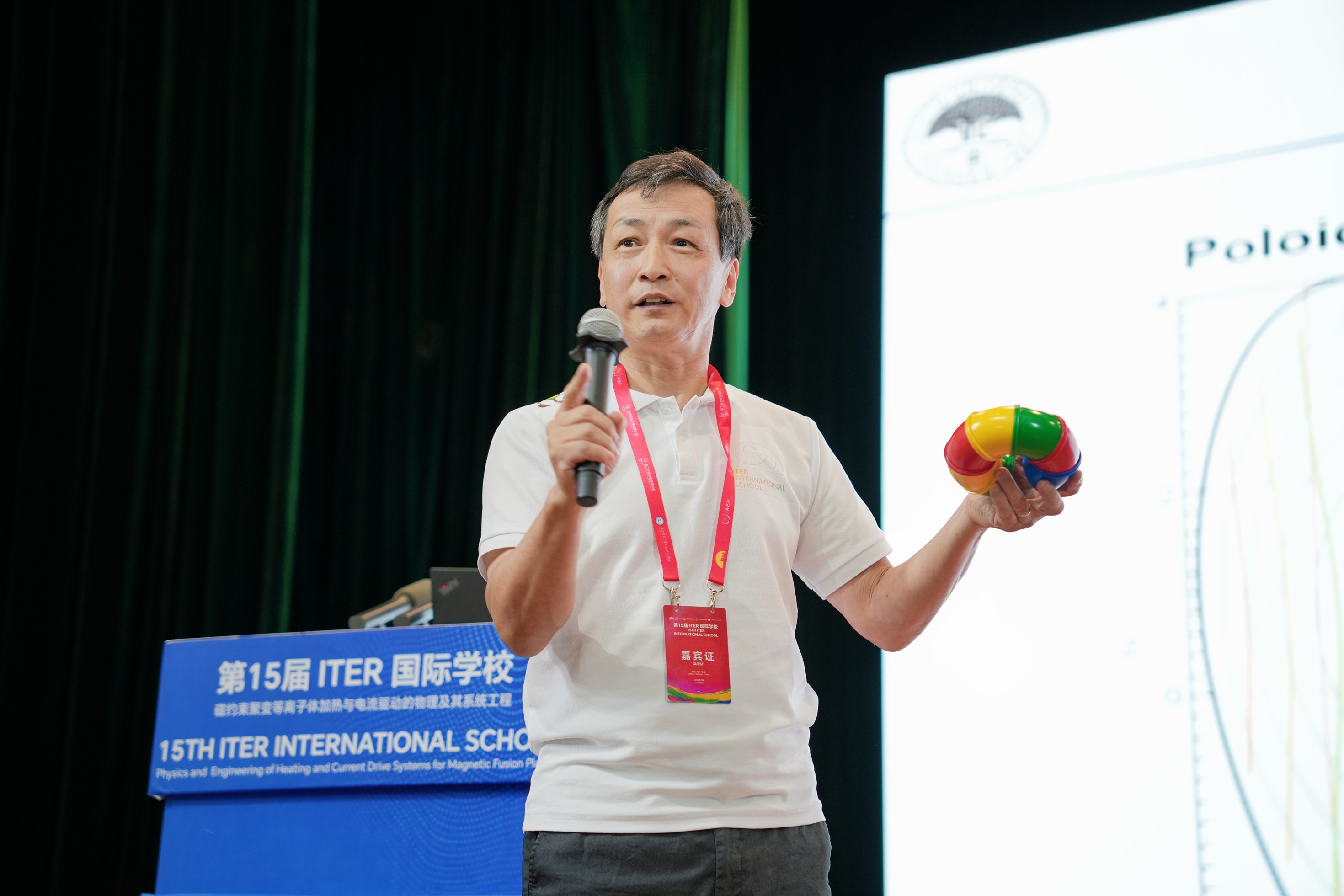
Students were welcomed on the first day by Zhang Guangjun, Vice Minister of the Ministry of Science and Technology of China, who highlighted the advantages of nuclear fusion energy and encouraged the young participants to broaden their academic horizons, stimulate scientific thinking, and foster international friendships through exchanges, thereby contributing “youthful wisdom and strength” to the global development of nuclear fusion. Other prominent officials took part in the ceremony; see this link for a full report.
One of this year’s co-hosts, SWIP, was designated in 2025 by the International Atomic Energy Agency (IAEA) as its first-ever "Collaborating Centre for Research and Training in Fusion Energy." Hosting the 15th ITER International School is a concrete step that aligns with its responsibilities as a collaborating centre, allowing the institute to execute its training mandate and deepen cooperation with the ITER Organization and the IAEA.
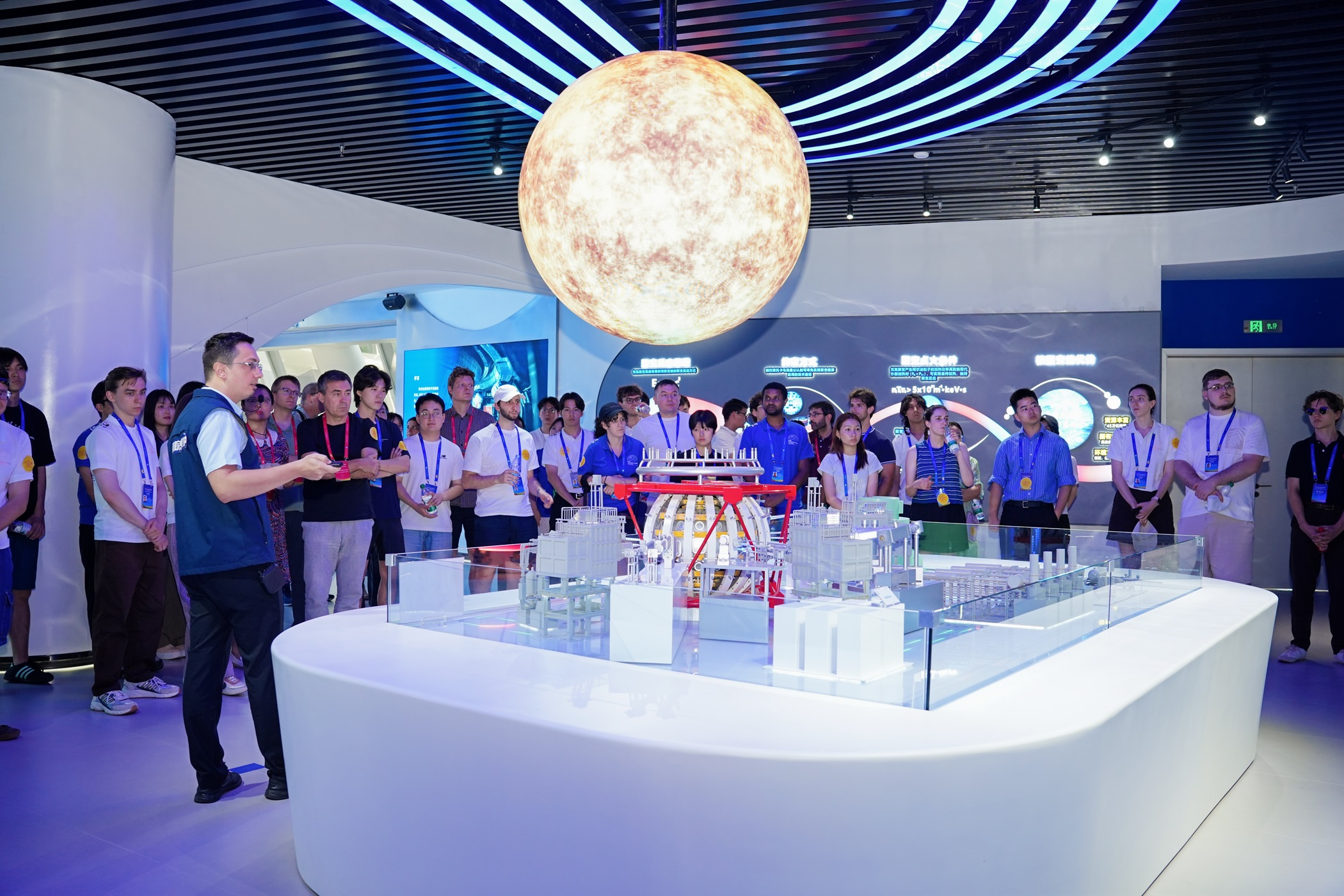
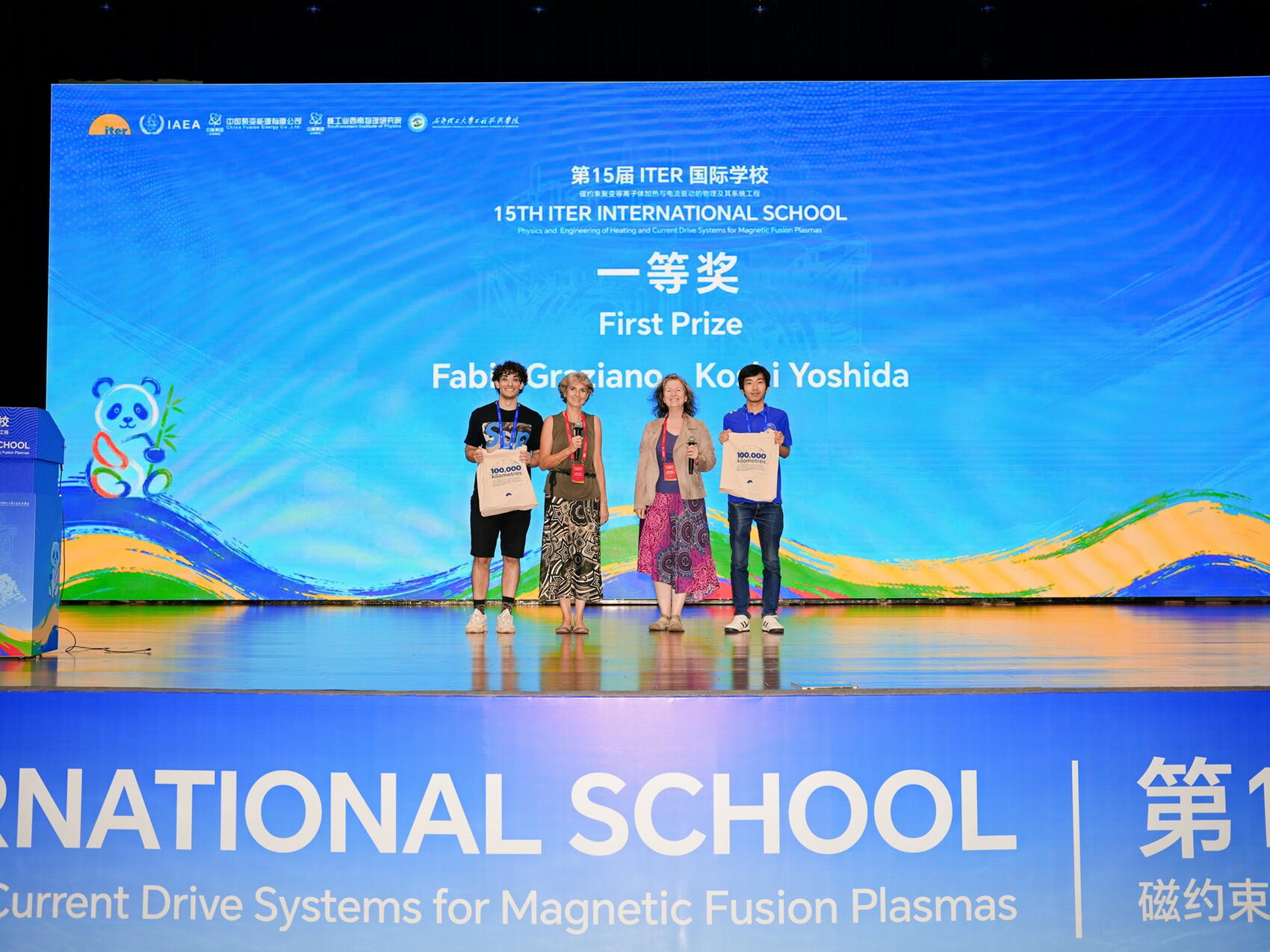
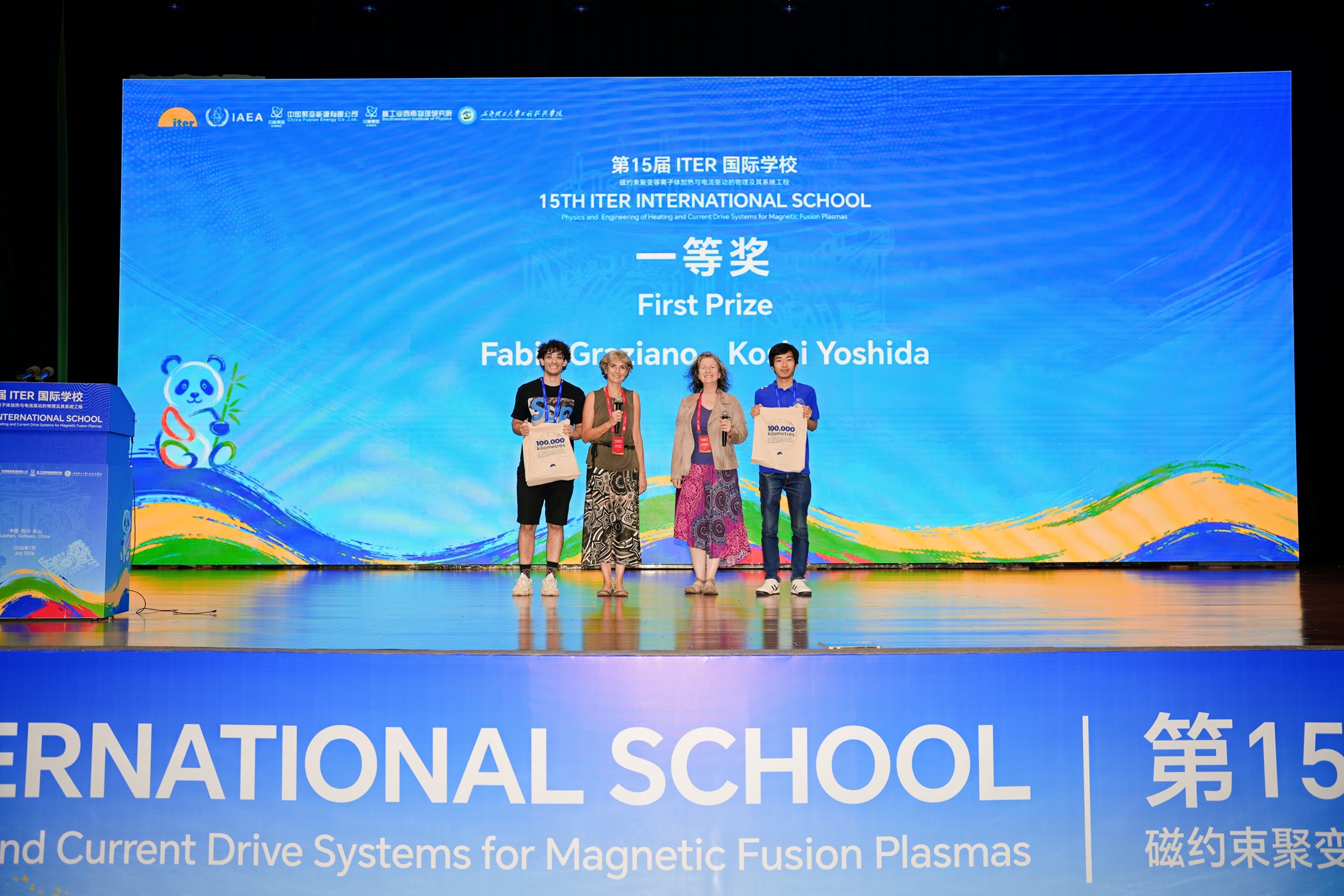
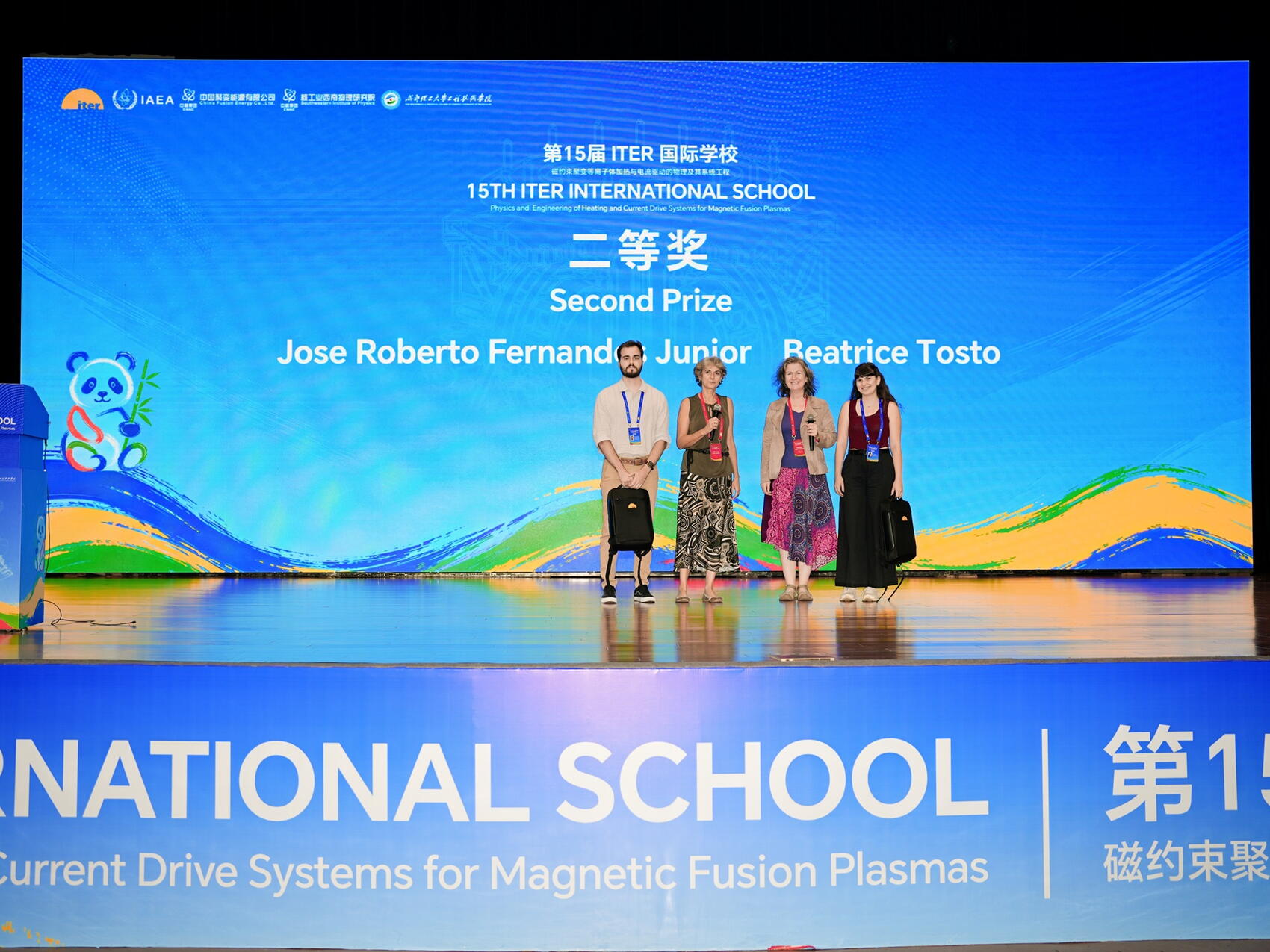
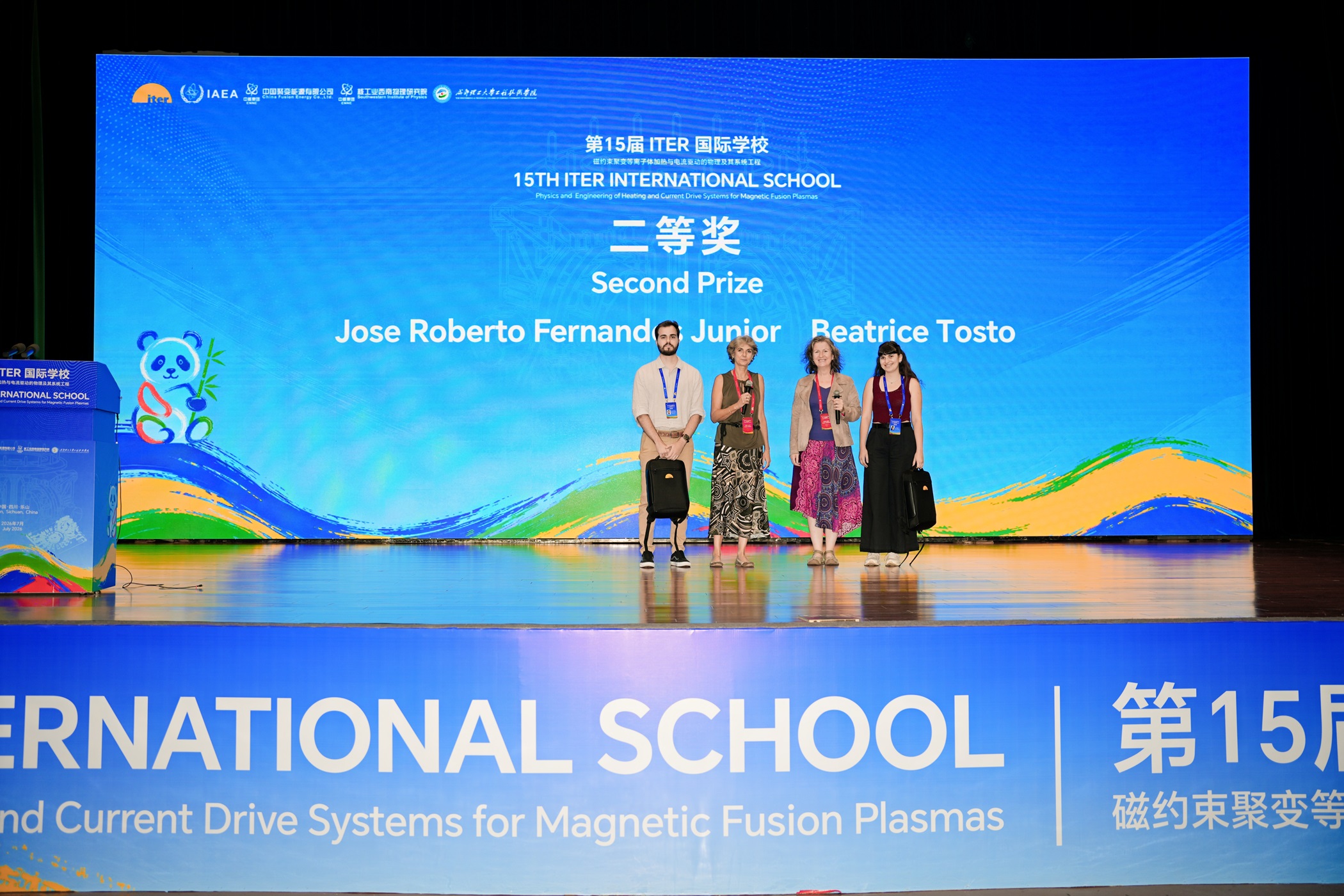
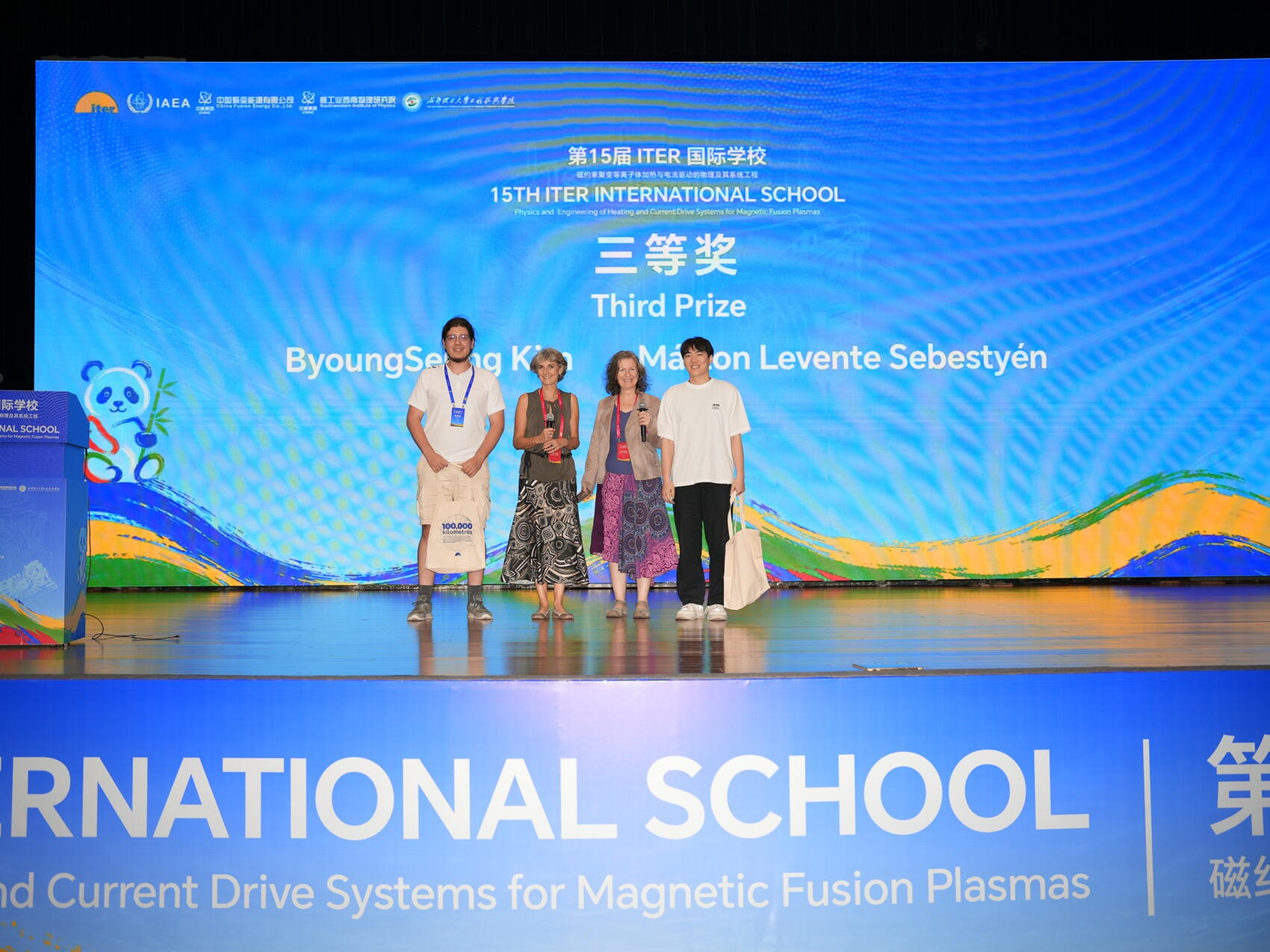
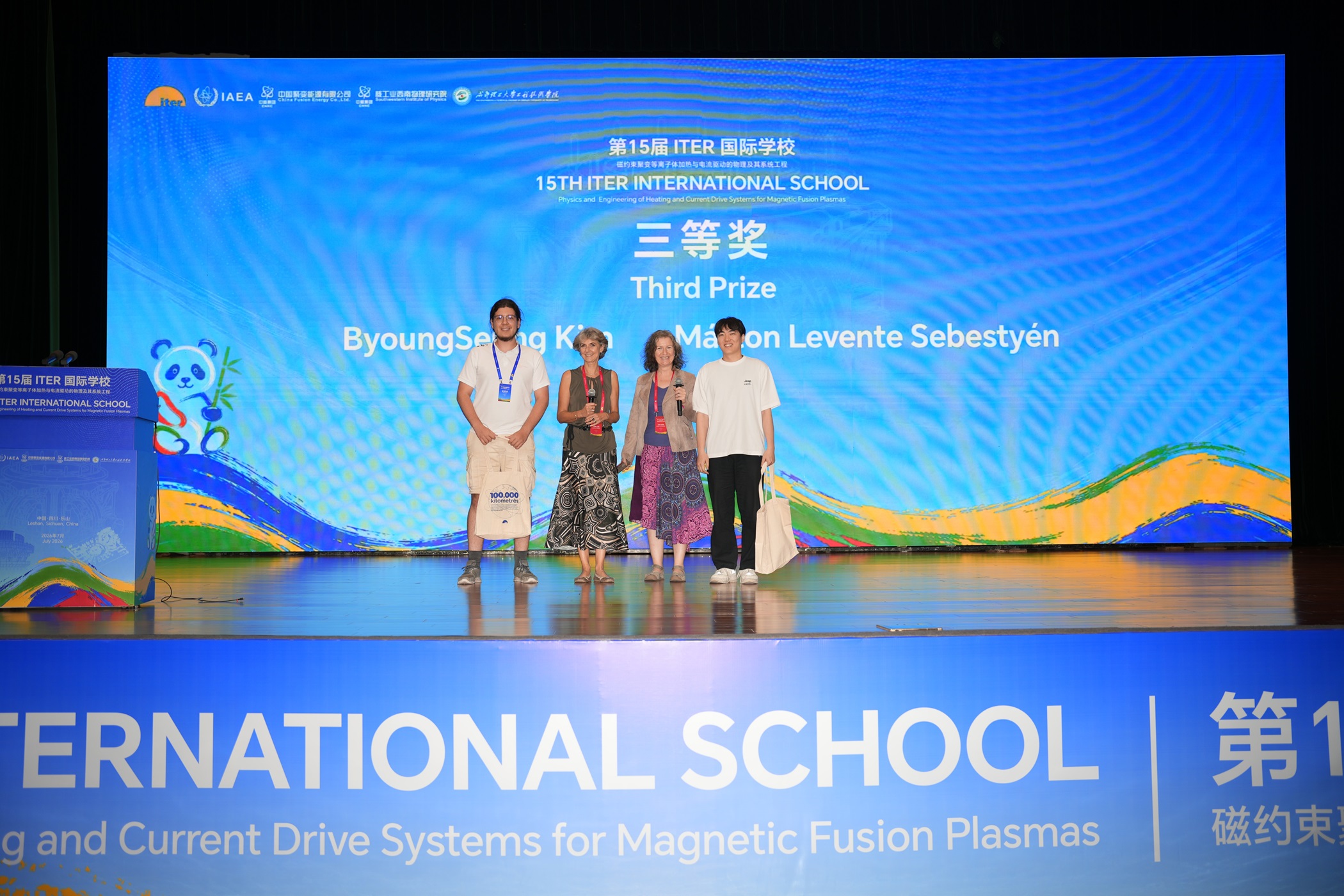
The quality of the work presented during this year’s two poster sessions was very high. The school lecturers along with the scientific committee selected three participants per poster session and awarded their outstanding research work with prizes (ITER “goodies,” including—for first-prize winners—a slice of poloidal field coil superconducting cable).
Overall, the 15th ITER International School was a resounding success, bringing together a diverse group of participants from around the world to exchange knowledge, share experiences, and foster collaboration on a topic of great relevance to ITER and magnetic confinement devices. The support from SWIP, the Engineering & Technical College of Chengdu University of Technology, the Ministry of Science and Technology of China, the China International Nuclear Fusion Energy Program Execution Center, the ITER Organization, the International Atomic Energy Agency, Aix-Marseille University and the National Institute for Fusion Science (Japan) greatly contributed to the success of this event.
The slides of the lectures are available on this ITER webpage together with information on past ITER International Schools.