"Fusion is gathering momentum"
“Fusion energy has been a part of the IAEA’s portfolio since the very beginning,” International Atomic Energy Agency (IAEA) Director General Rafael Mariano Grossi told delegates gathered in Vienna last week. “Fusion has made strides [and] is gathering momentum,” he added.
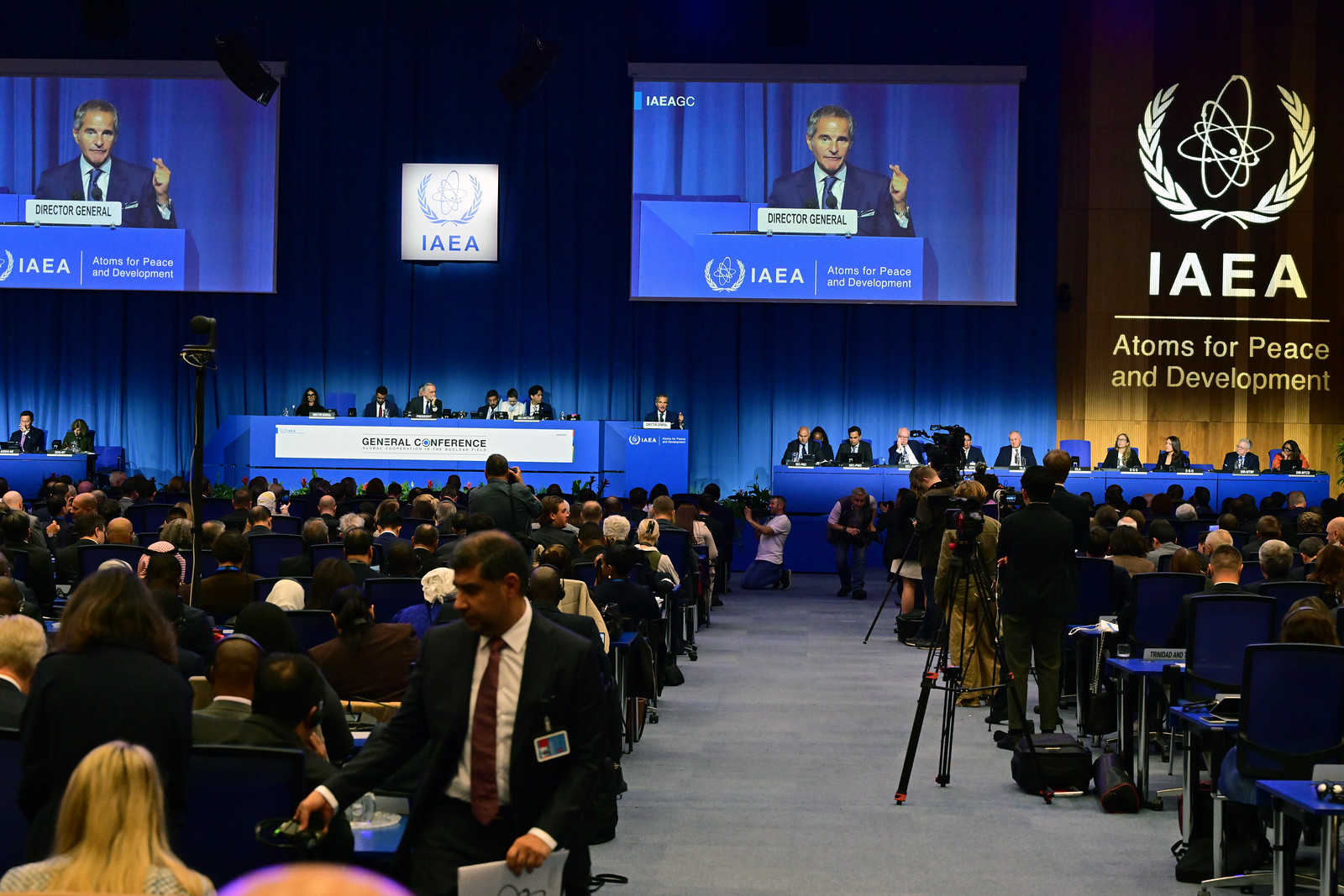
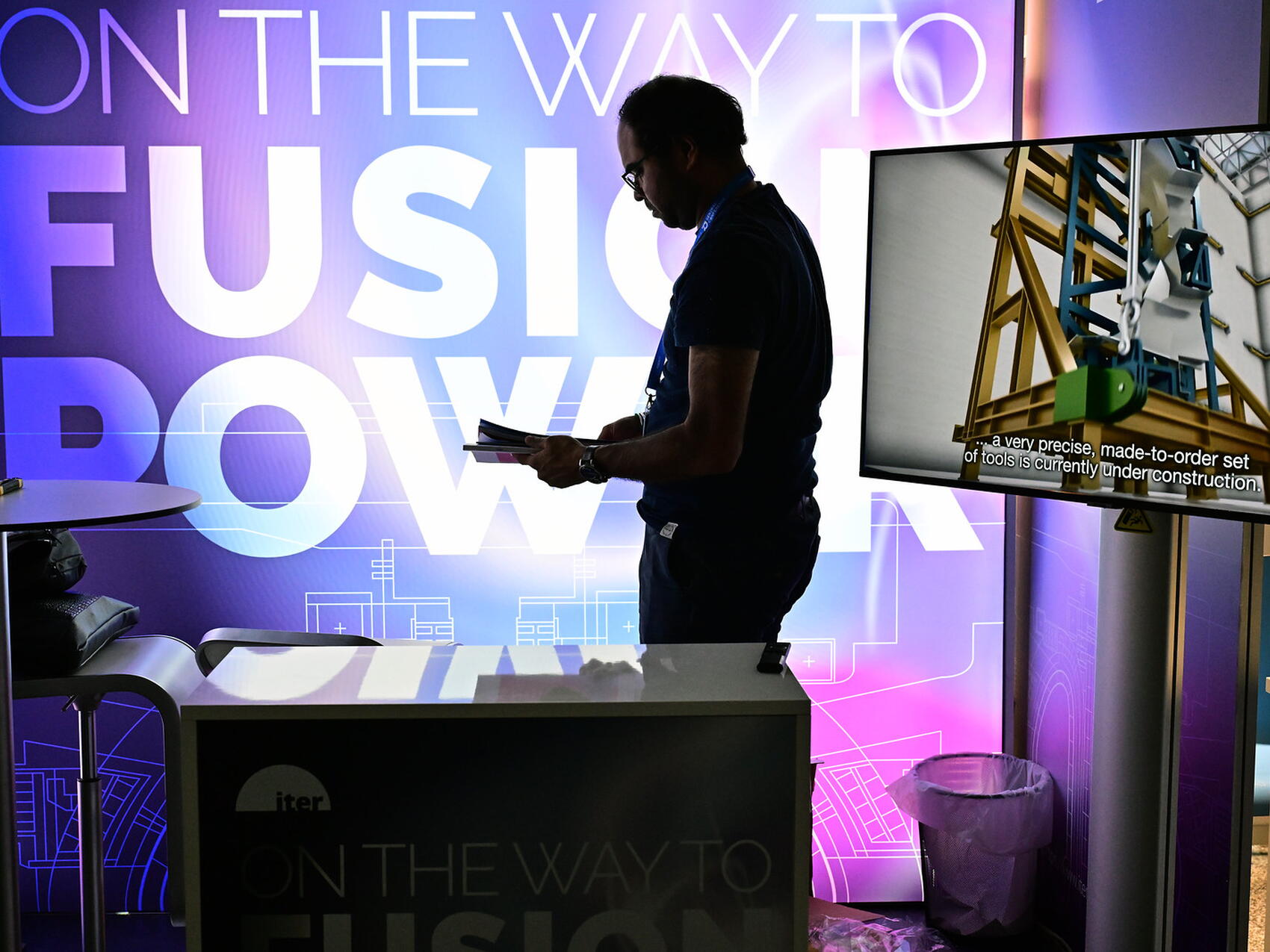
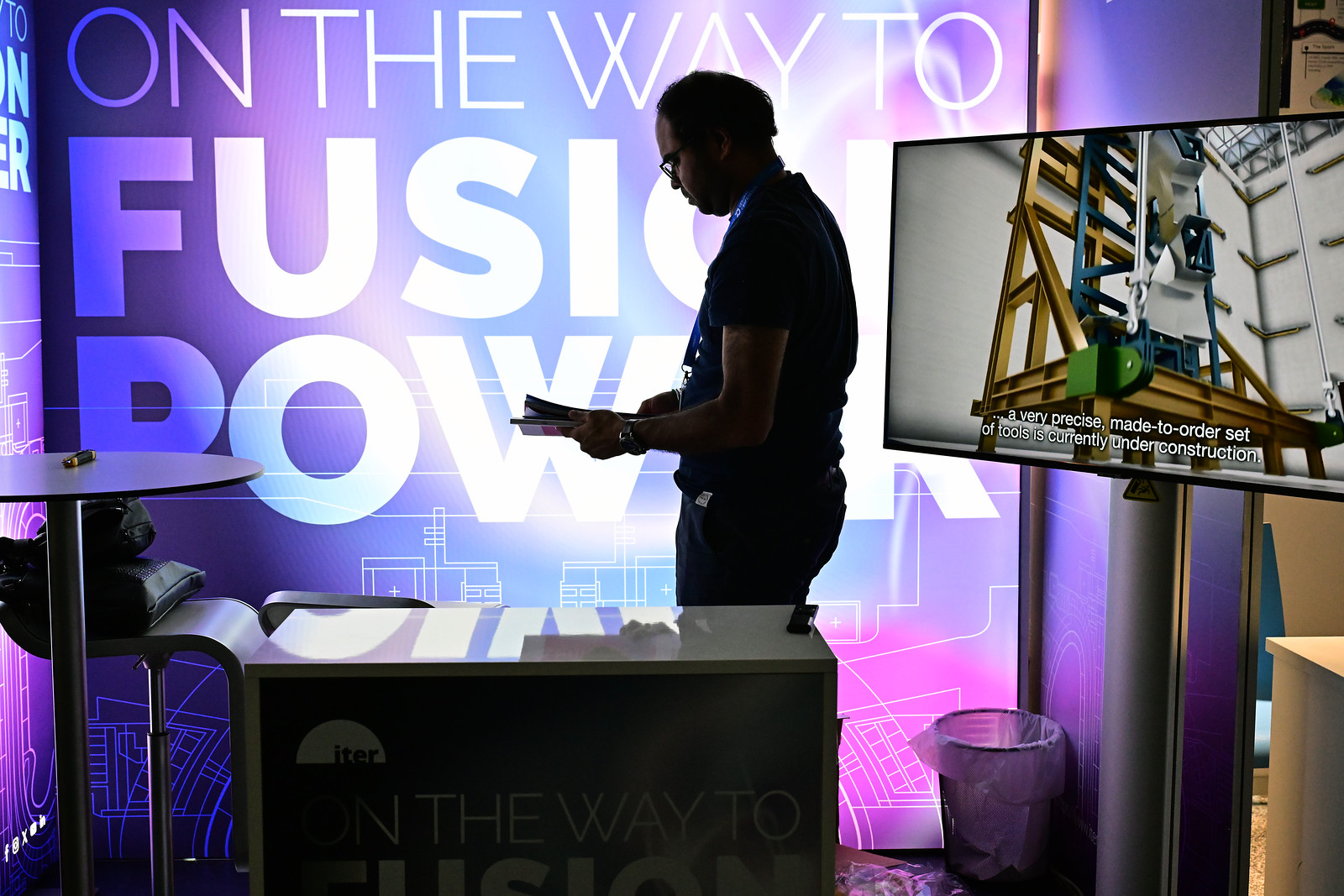
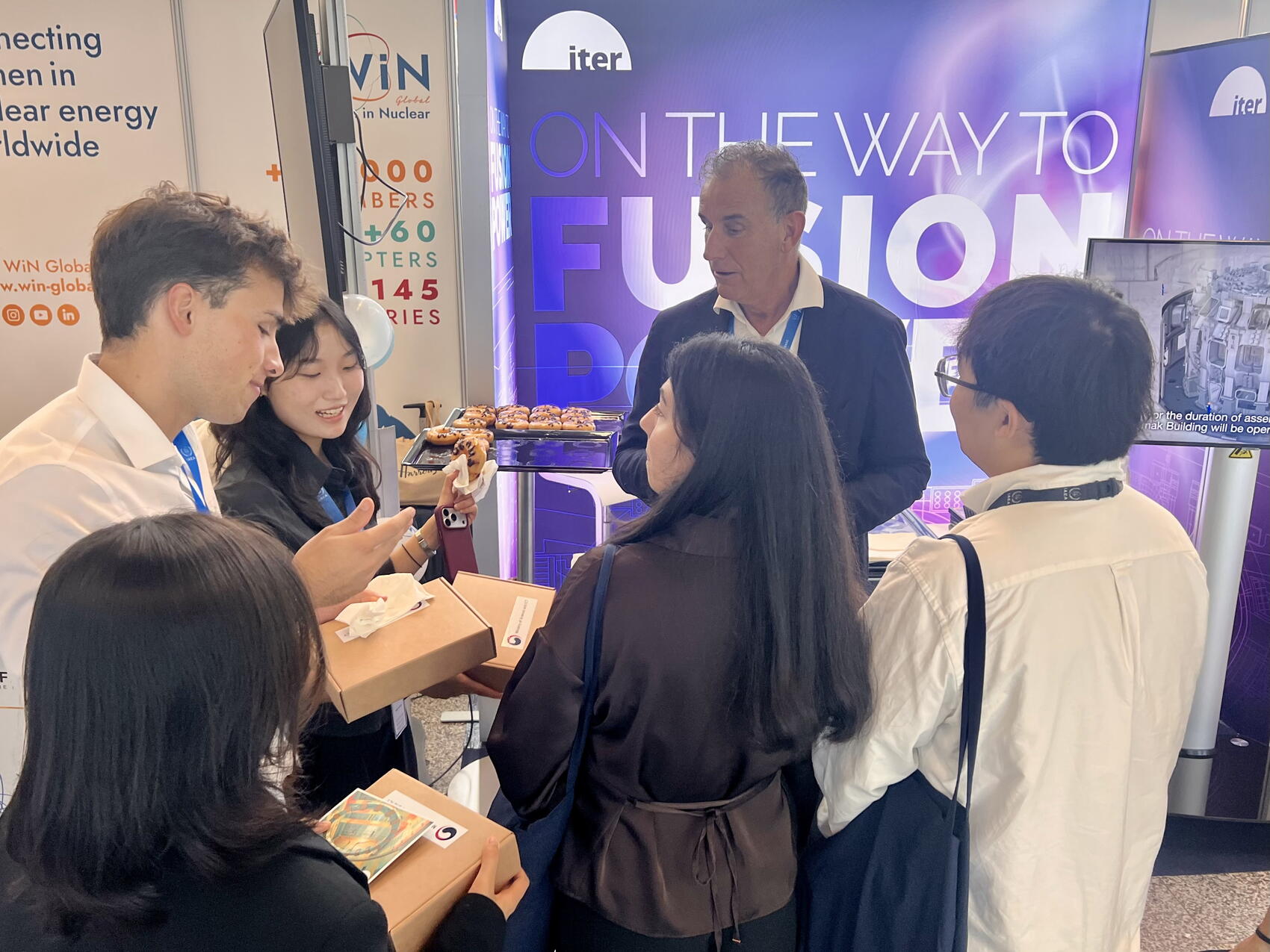
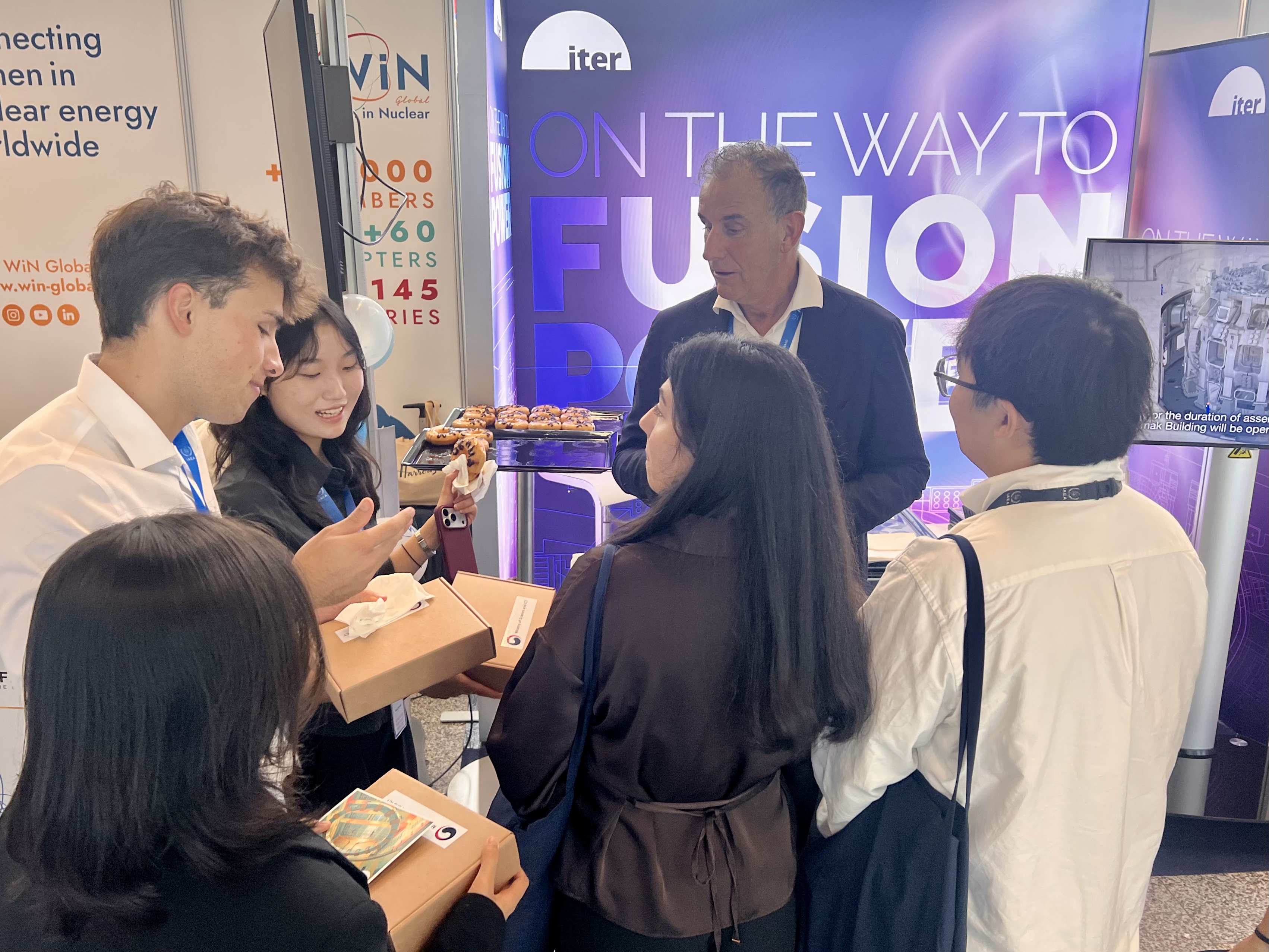
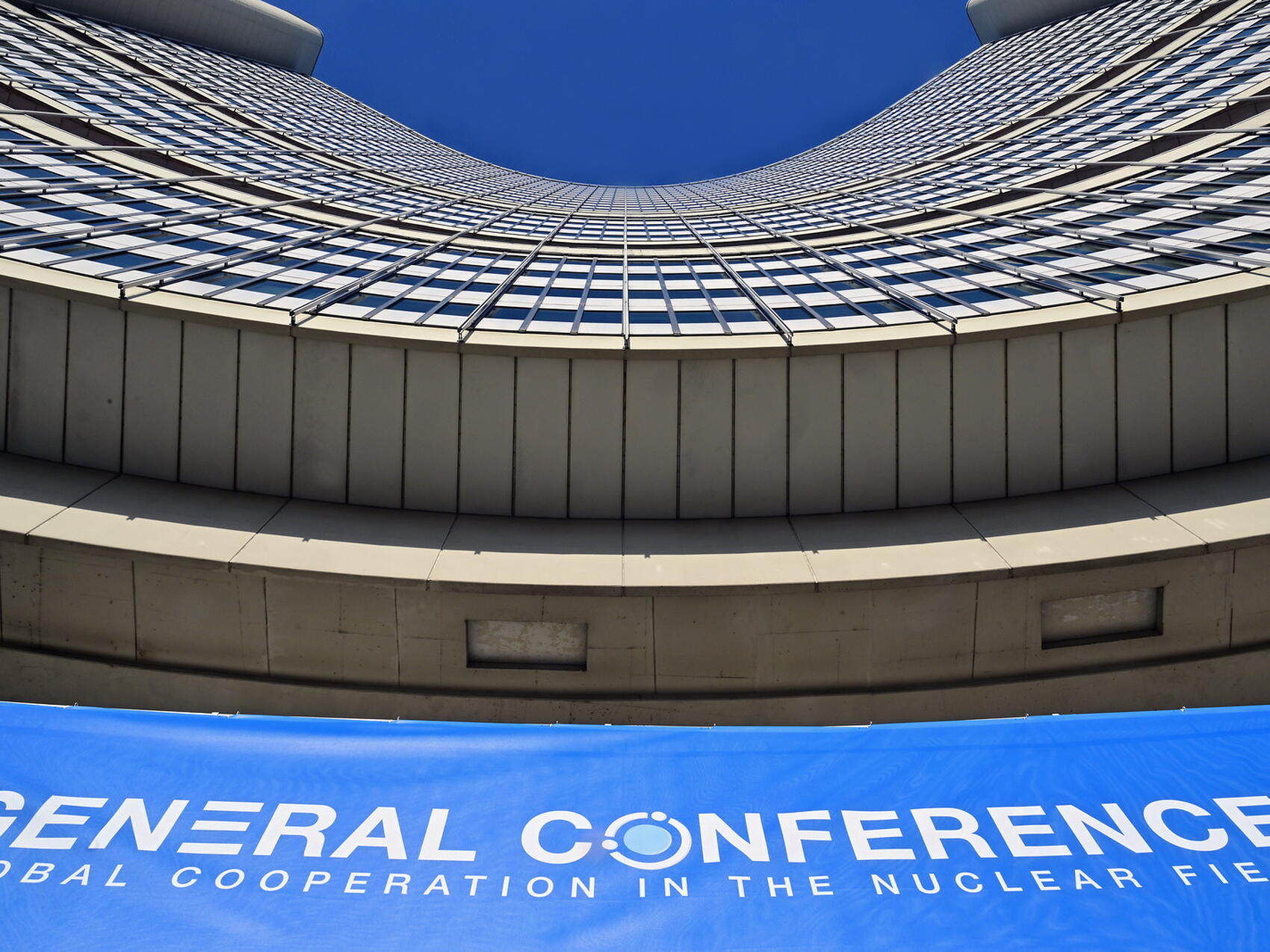
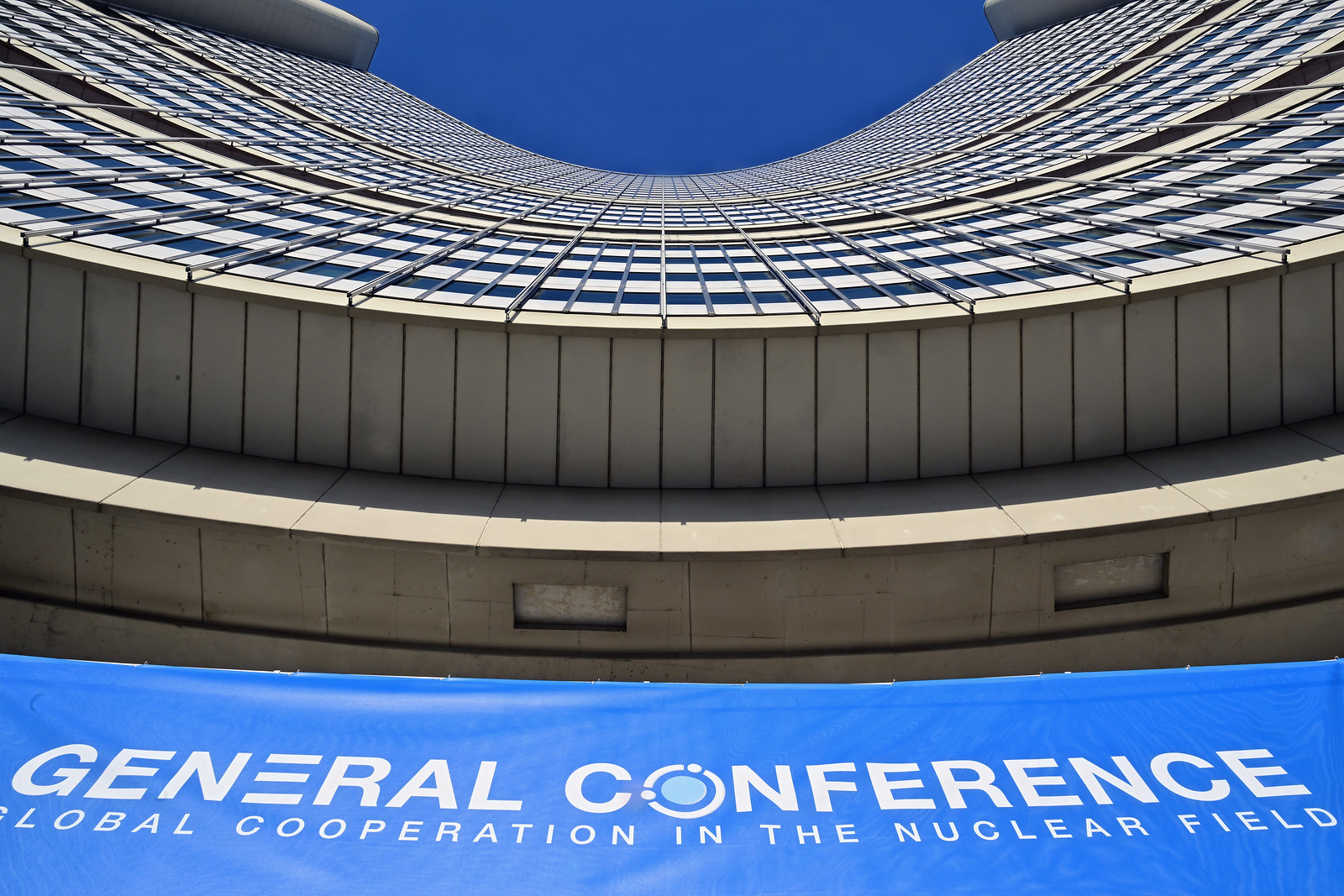
The growing prominence of fusion—and the importance of international cooperation as the field advances—was a recurring theme at the 70th IAEA General Conference, held from 14 to 18 September. ITER was present throughout the week, reporting on recent project progress, sharing lessons from the construction of one of the world’s most complex scientific facilities, and strengthening ties across the expanding fusion energy ecosystem.
The General Conference is the IAEA’s principal annual policymaking forum. Held every year since 1957, it brings together representatives of the Agency’s 181* Member States as well as international organizations and non-governmental organizations. More than 3,000 participants attended this year’s meeting in person.
For ITER, participation also reflected a relationship that stretches back to the origins of the project.
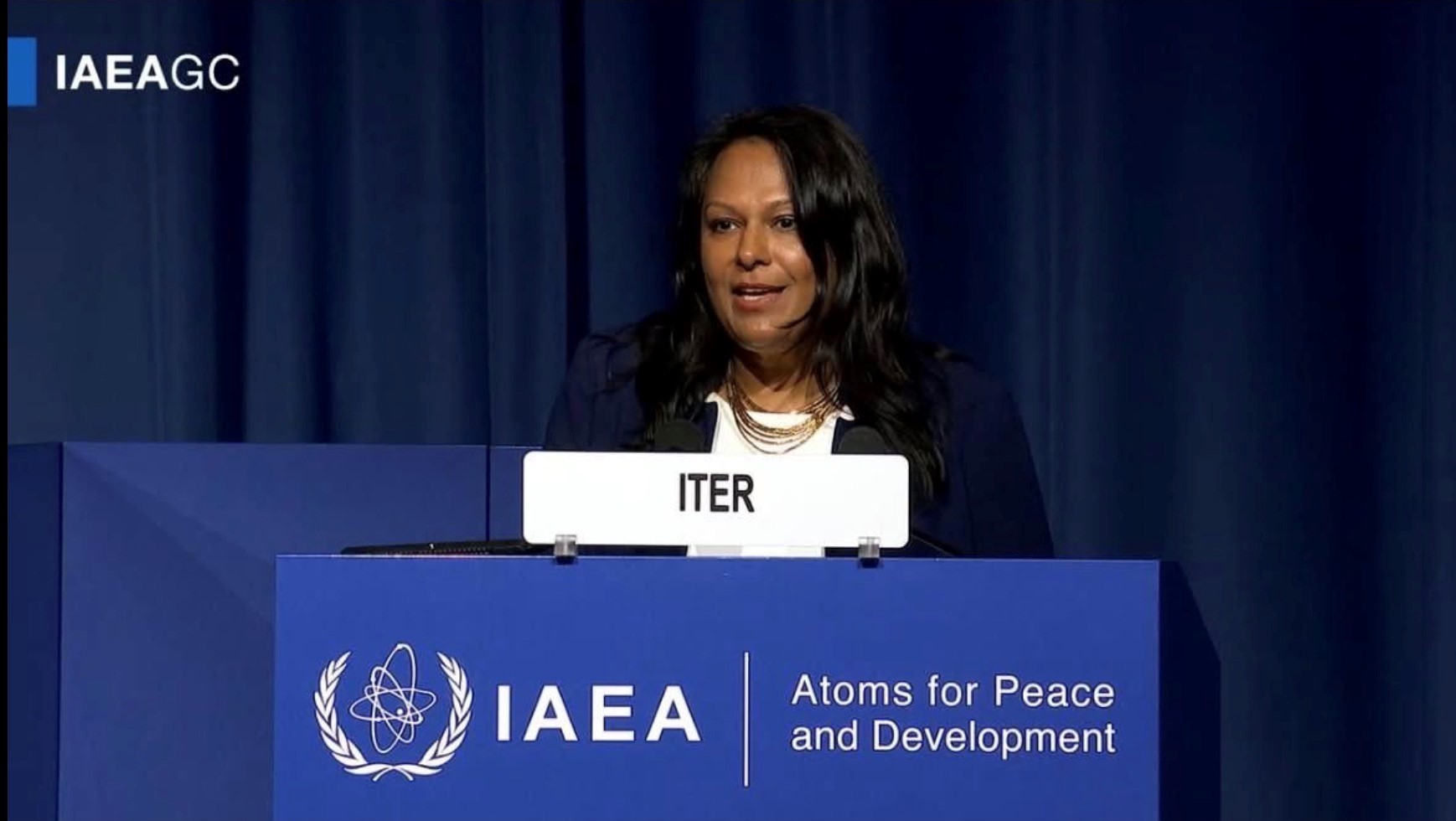
“The early phases of ITER cooperation were conducted under the auspices of the Agency, and the IAEA Director General serves as the Depositary of the ITER Agreement,” ITER Head of Communication Deepti Choubey reminded delegates in a statement to the General Conference. “This Conference also brings together the countries whose sustained commitment makes ITER possible.”
Choubey updated delegates on progress at ITER and emphasized another increasingly important dimension of the project’s mission: ensuring that knowledge accumulated through ITER can benefit fusion programs around the world.
“We welcome the rapid growth of the fusion sector and are actively engaging with it,” she said. Through collaboration with private companies and other public fusion programs, ITER is sharing technical documentation, lessons learned and operational experience, while expanding access to modelling tools and scientific activities and creating opportunities for expert exchange and technical cooperation.
“Our objective is straightforward: knowledge generated through ITER should help accelerate progress across the broader fusion ecosystem.”
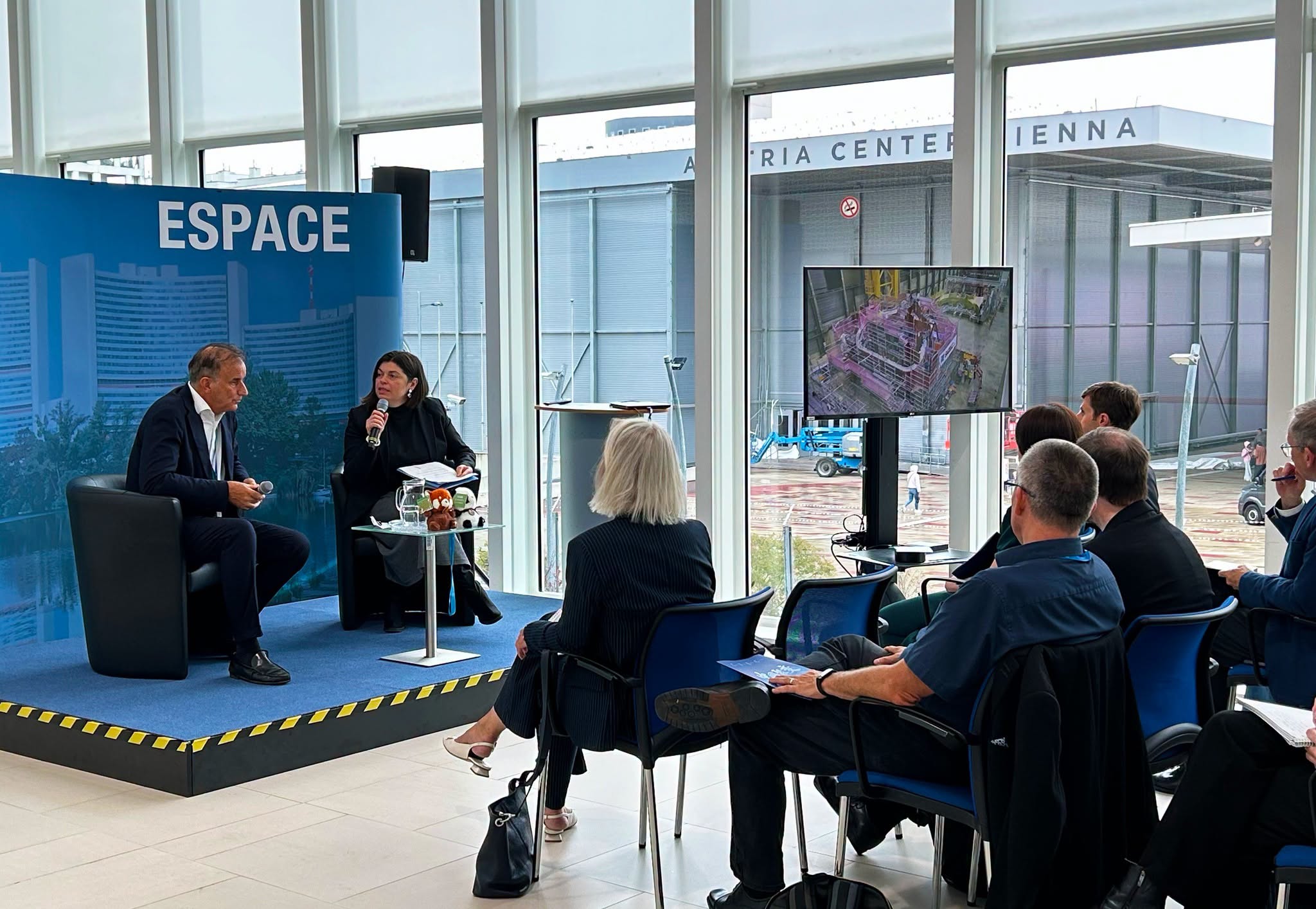
That message was reinforced in a General Conference side event on 14 September featuring ITER Director-General Pietro Barabaschi and focusing on lessons emerging from ITER’s design, construction and integration.
As fusion programs around the world move from scientific research towards increasingly ambitious demonstration projects, the questions facing the field are expanding. Establishing the scientific feasibility of fusion remains fundamental, but future projects must also master the practical challenges of engineering, construction, systems integration, industrial production and project execution.
The discussion looked at what ITER’s experience can offer in these areas—from managing the interfaces between highly complex systems to developing industrial capabilities and international supply chains. It also highlighted the IAEA’s role in capturing and disseminating experience among its Member States as fusion advances from science towards technology development and eventual deployment.
The theme echoed Grossi’s opening remarks. For nearly seven decades, the IAEA has provided conferences and publications through which fusion scientists have shared advances. With the field entering a new phase, he said, a new group of stakeholders will also be important to accelerating “research, development, demonstration, and deployment.”
To that aim, Grossi is convening the third high-level meeting of the World Fusion Energy Group in Vienna on 12 November. The meeting will bring together stakeholders from across the fusion community to consider how to accelerate research, development, demonstration and deployment.
The continuing importance of ITER was also highlighted in the statement delivered on behalf of Euratom, which described fusion as “the next frontier” and ITER as the “cornerstone” of Euratom’s fusion research efforts.
“The knowledge and industrial base built through ITER will be essential for the future development of the EU’s power plants,” the statement said.
The Euratom intervention also pointed to some of the wider questions that are coming into sharper focus as fusion programs advance. The European Commission is preparing its first EU Fusion Strategy, designed to support private-sector participation and research and technology development while exploring options for a fusion-specific regulatory framework. Work is also underway on regulatory recommendations, engineering codes and standards, skills, and knowledge management.
Stronger cooperation between publicly funded science and the private sector, Euratom told the conference, will be key to further progress. Cooperation with the IAEA will likewise remain important in addressing technological challenges, developing safety standards and building the next generation of fusion scientists and engineers.
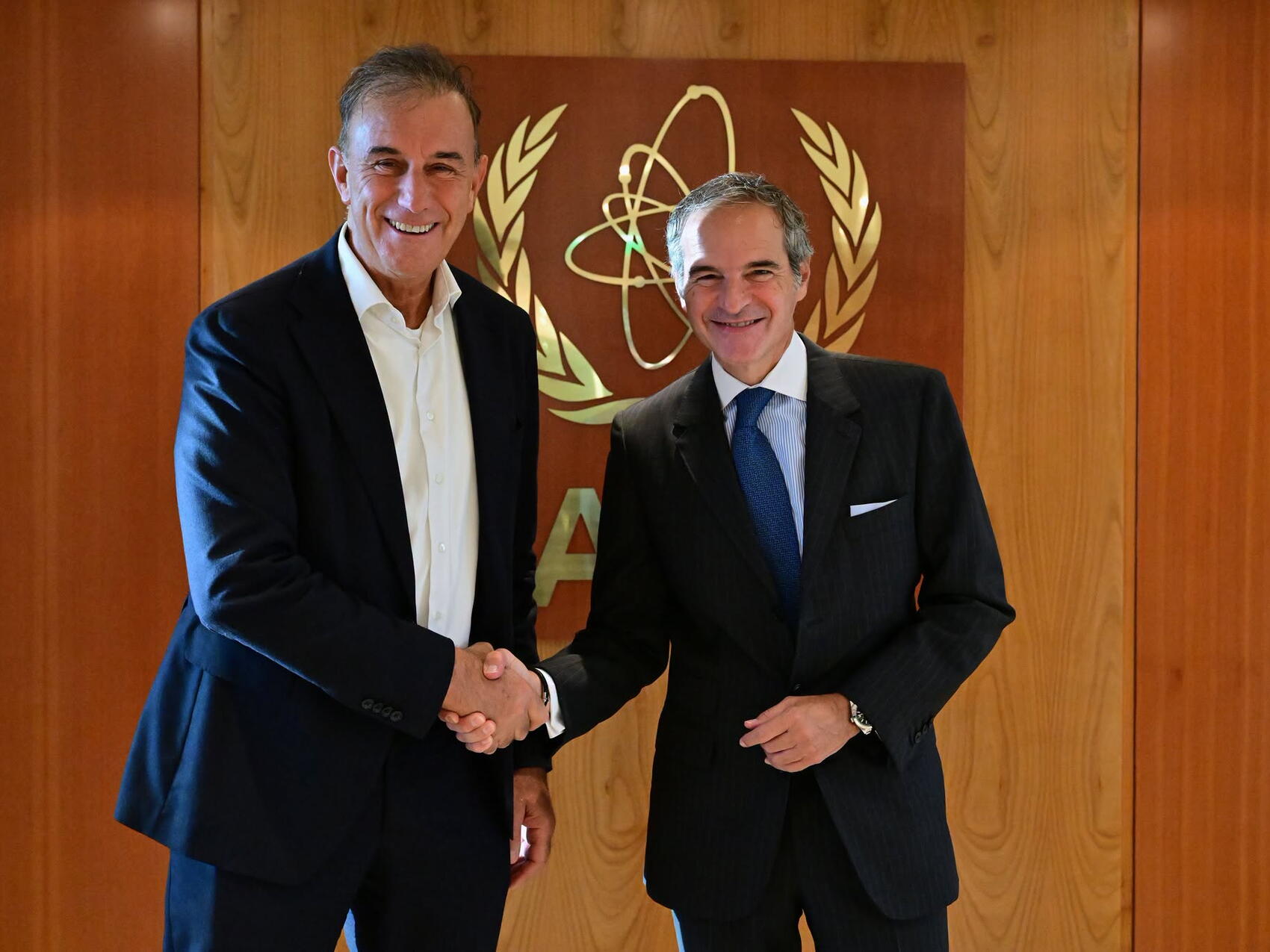
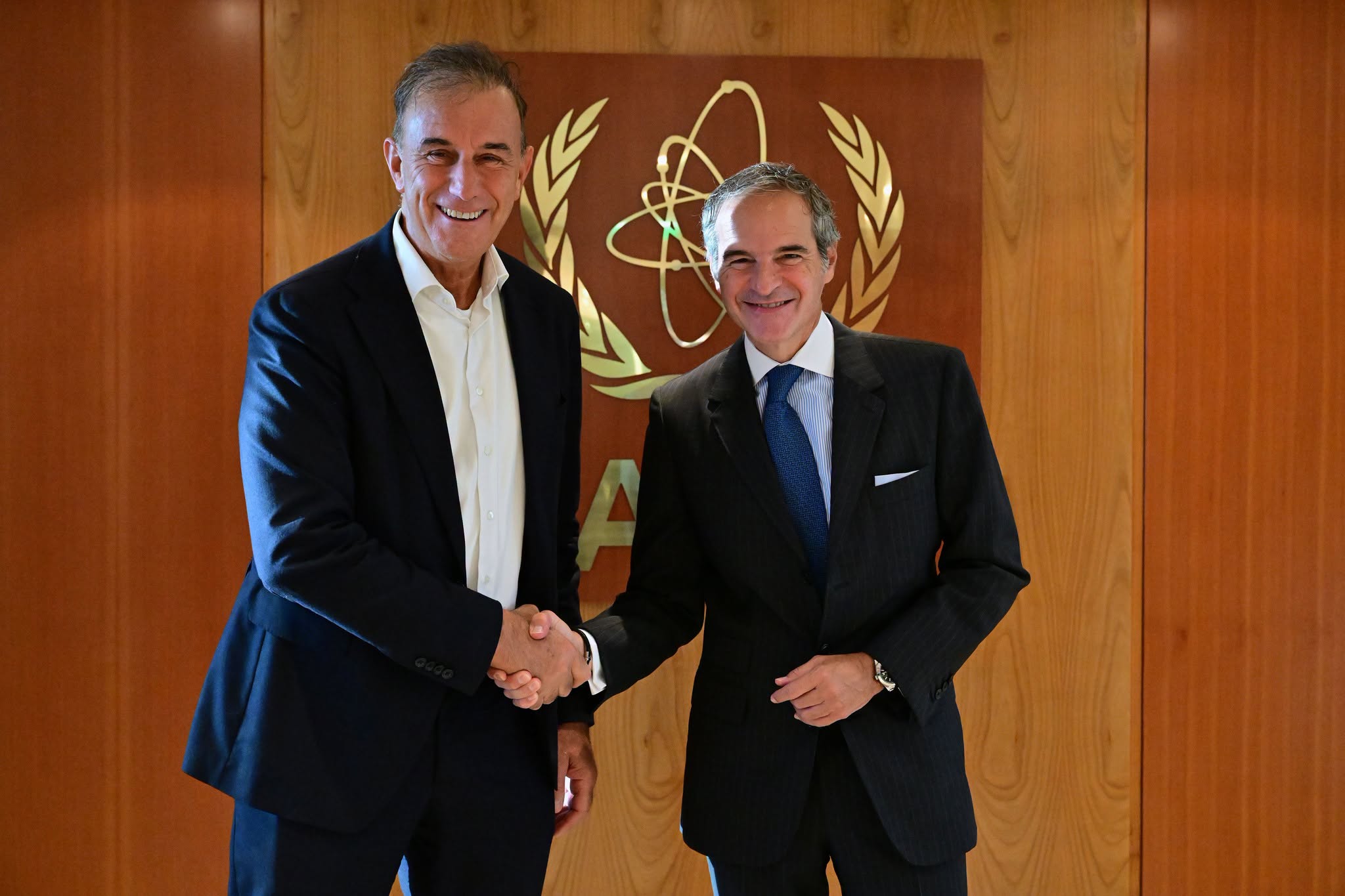
ITER’s activities throughout the week reflected this increasingly interconnected fusion landscape. In addition to his participation in the lessons-learned session, Director-General Barabaschi met with IAEA Director General Grossi and held bilateral discussions with representatives of ITER Members. The meetings provided opportunities to discuss the project’s progress and the wider evolution of the fusion sector.
The ITER Organization also signed a Memorandum of Understanding with the China Fusion Energy Co., Ltd. aimed at enhancing cooperation in fusion research.
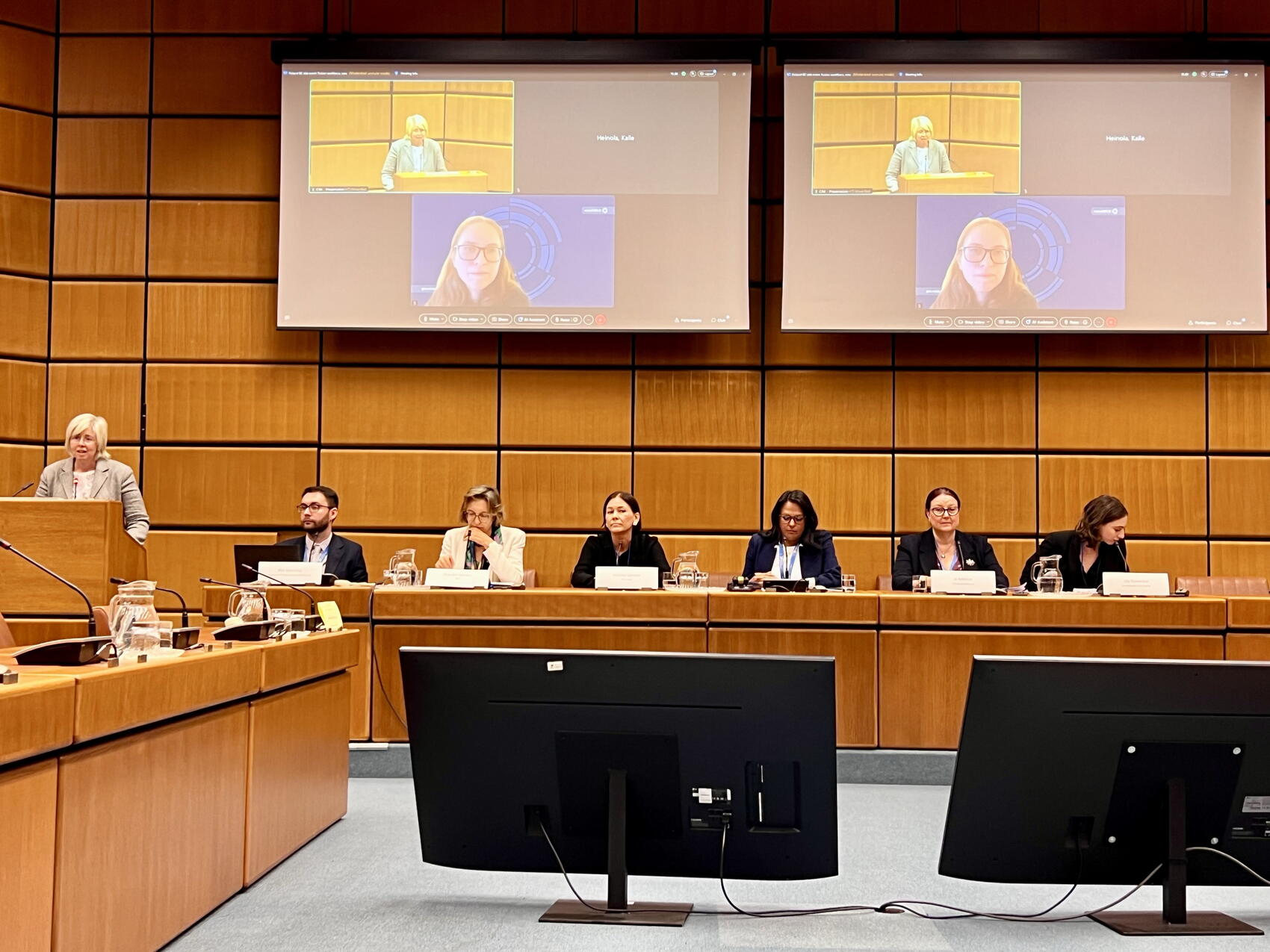
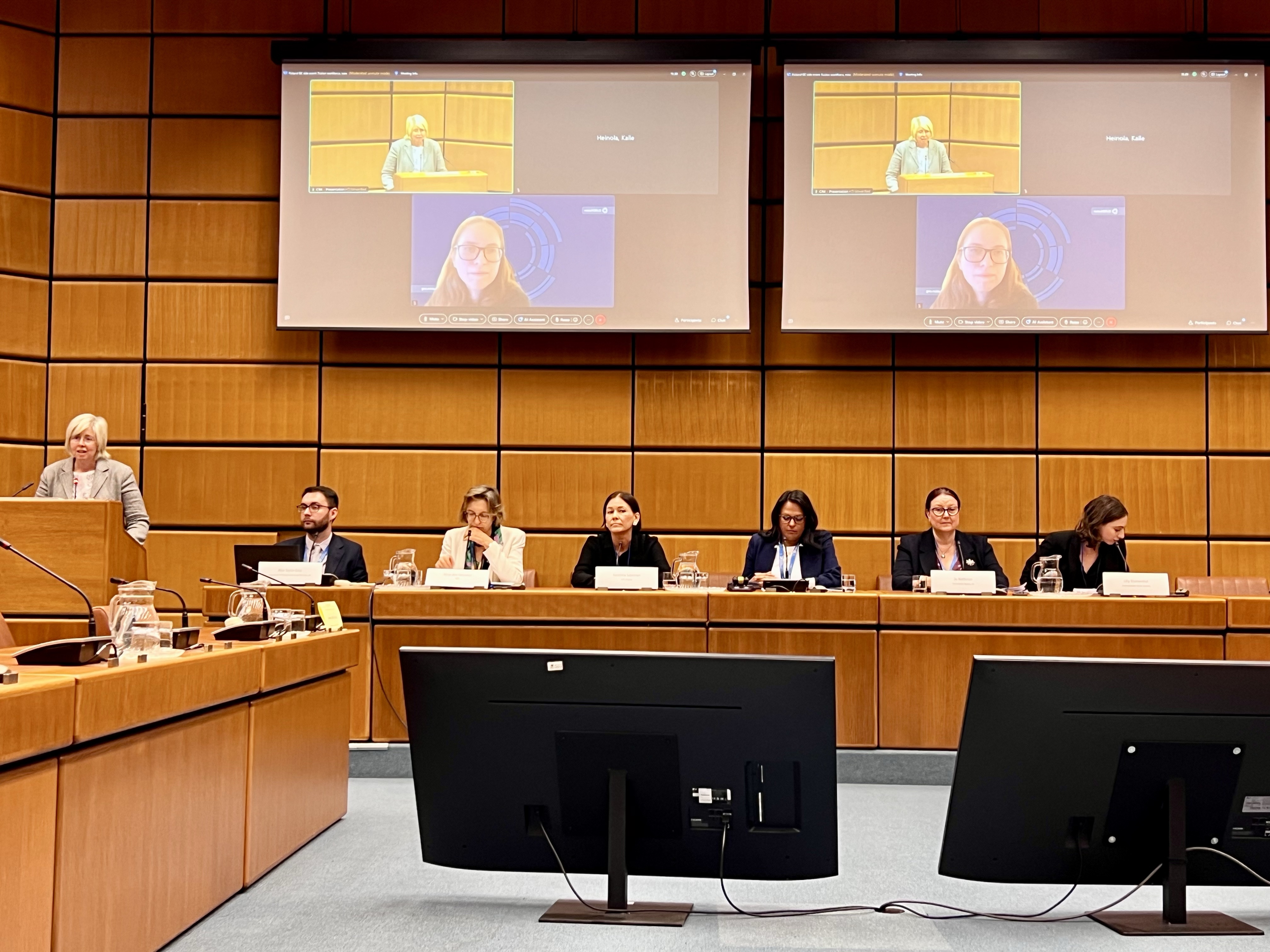
Other side events during the week also explored the need for international cooperation in fusion engineering, specific regulatory requirements for fusion, and the challenge of developing the workforce that a growing fusion sector will require.
Taken together, these activities reflected a fusion landscape that is becoming broader and more diverse, encompassing major public research programs, emerging private ventures, industry, regulators and international organizations.
* Timor-Leste was admitted as the 182nd Member State of the International Atomic Energy Agency (IAEA) on 14 September 2026.