
Pellet injection advances to next stage in the US
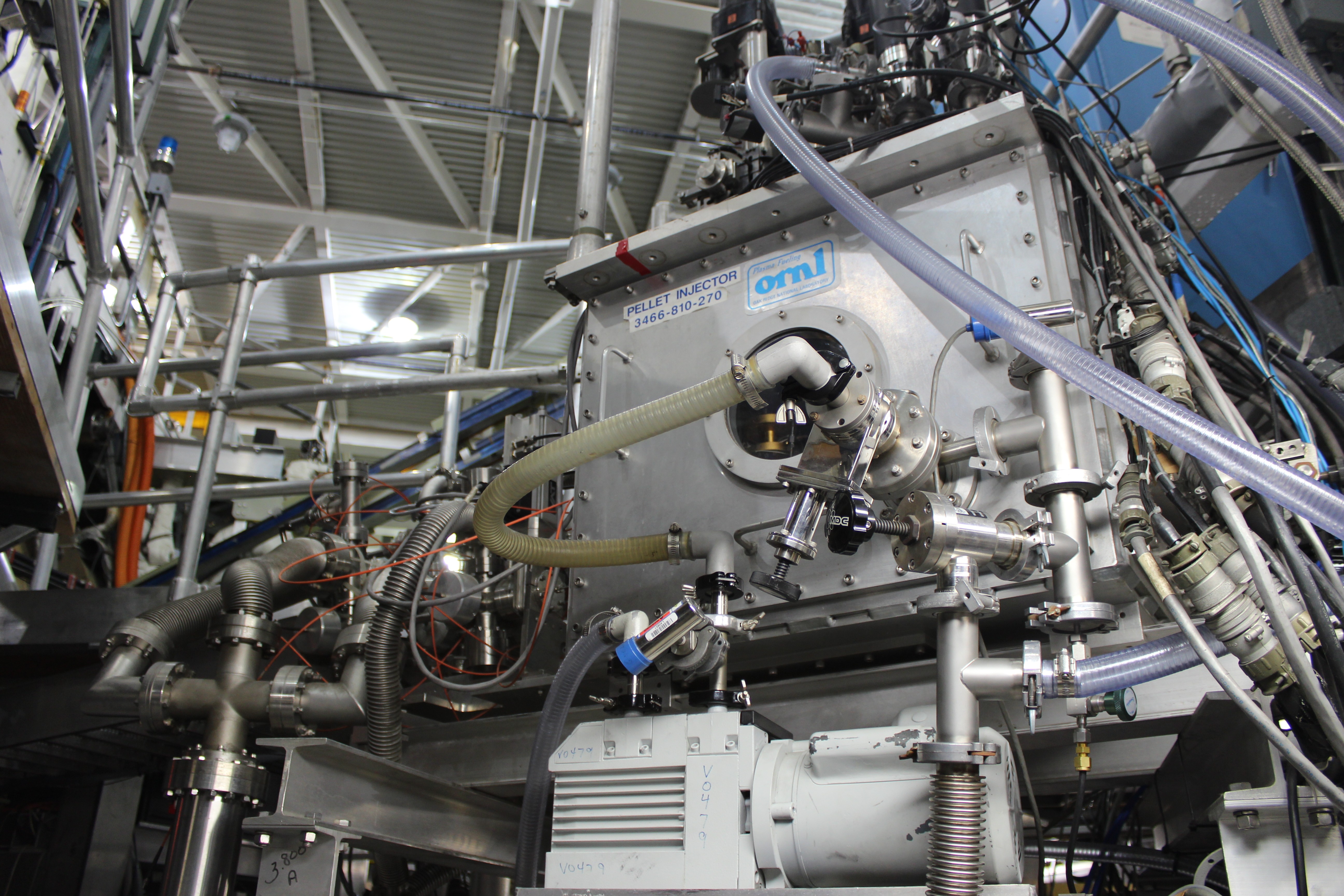
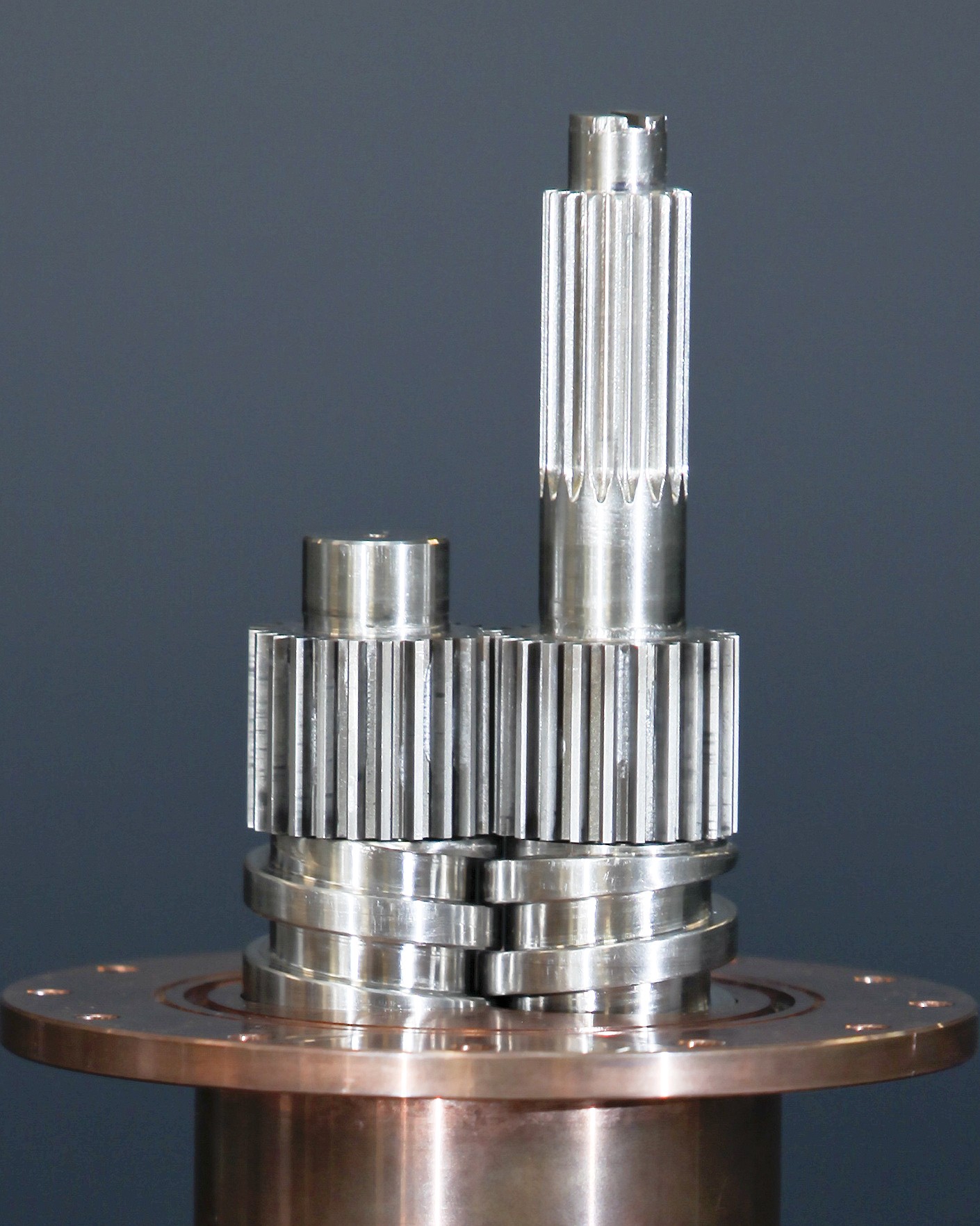
The task of the pellet injection system is to provide plasma fuelling, while also lessening the impact of plasma instabilities due to large transient heat loads. The ITER pellet injectors must operate continuously, which is very different from most existing tokamak pellet injectors. The ITER machine also requires a higher rate of pellet fuelling throughput.
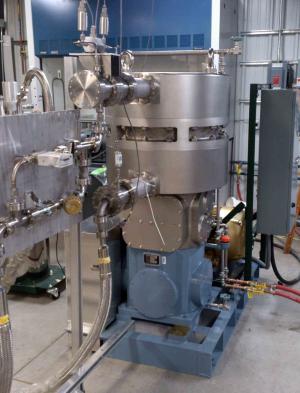
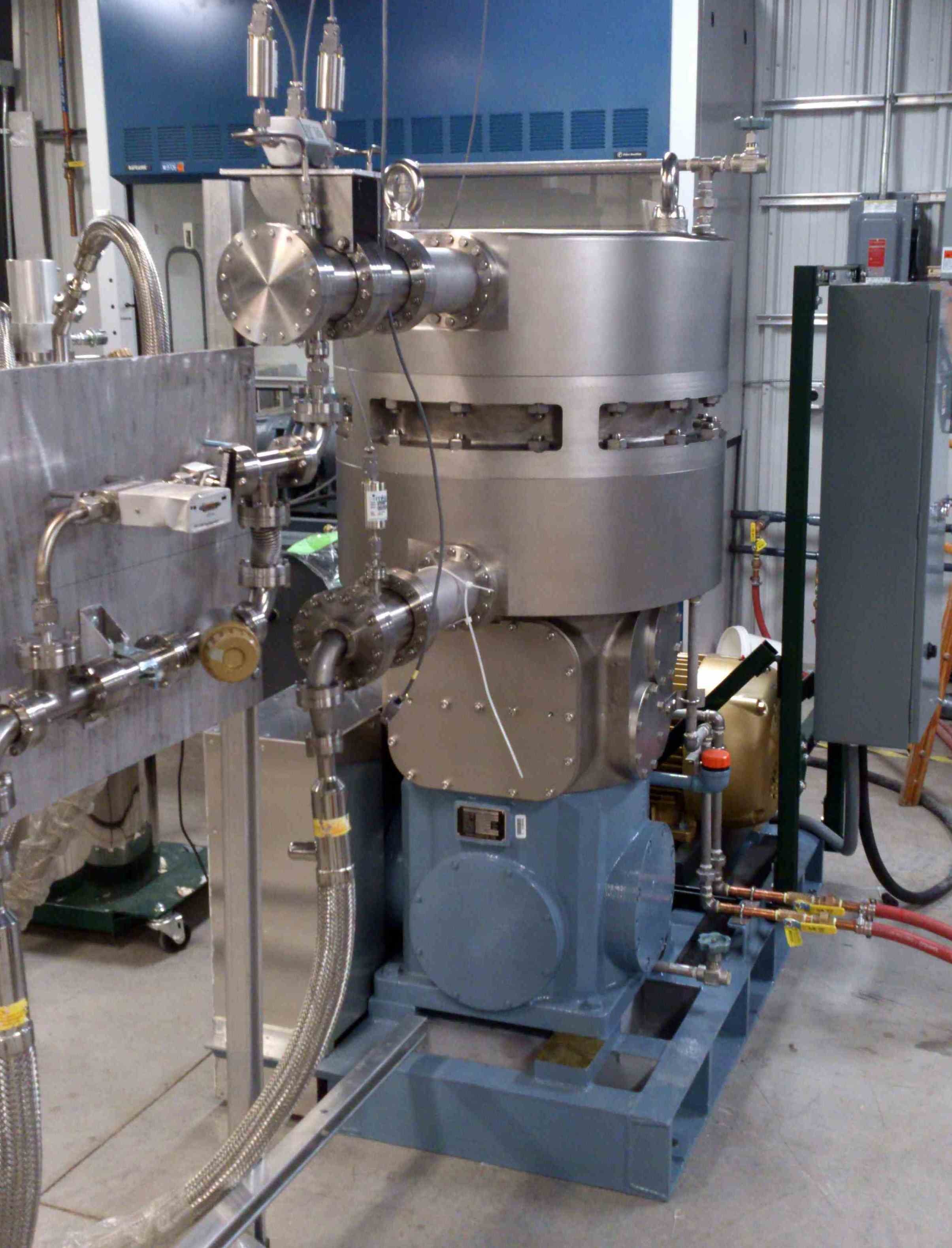
Multiple pellet injectors will be installed on the ITER tokamak, with up to two injectors at each of three locations on the machine. Some locations will be used more for fuelling while others will be deployed for lessening the impact of plasma instabilities known as edge localized modes (ELMs) by a technique called pellet ELM pacing. The pellet injector can also insert impurity pellets made of argon, neon, or nitrogen into the Tokamak for plasma impurity studies. The pellet injectors must also be able to handle tritium, a radioactive isotope of hydrogen with a half-life of about 12 years, safely.