
Pietro Barabaschi has a message: “Constructive competition is good for our field”
In welcoming several hundred members of the global fusion ecosystem to ITER last week for the 3rd ITER Public-Private Fusion Workshop, ITER Director-General Pietro Barabaschi shared his view that the multiplication of ideas and resources circulating across the fusion landscape is strengthening the field.
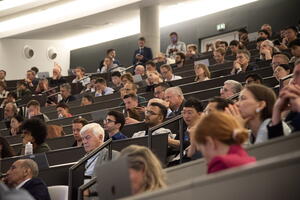
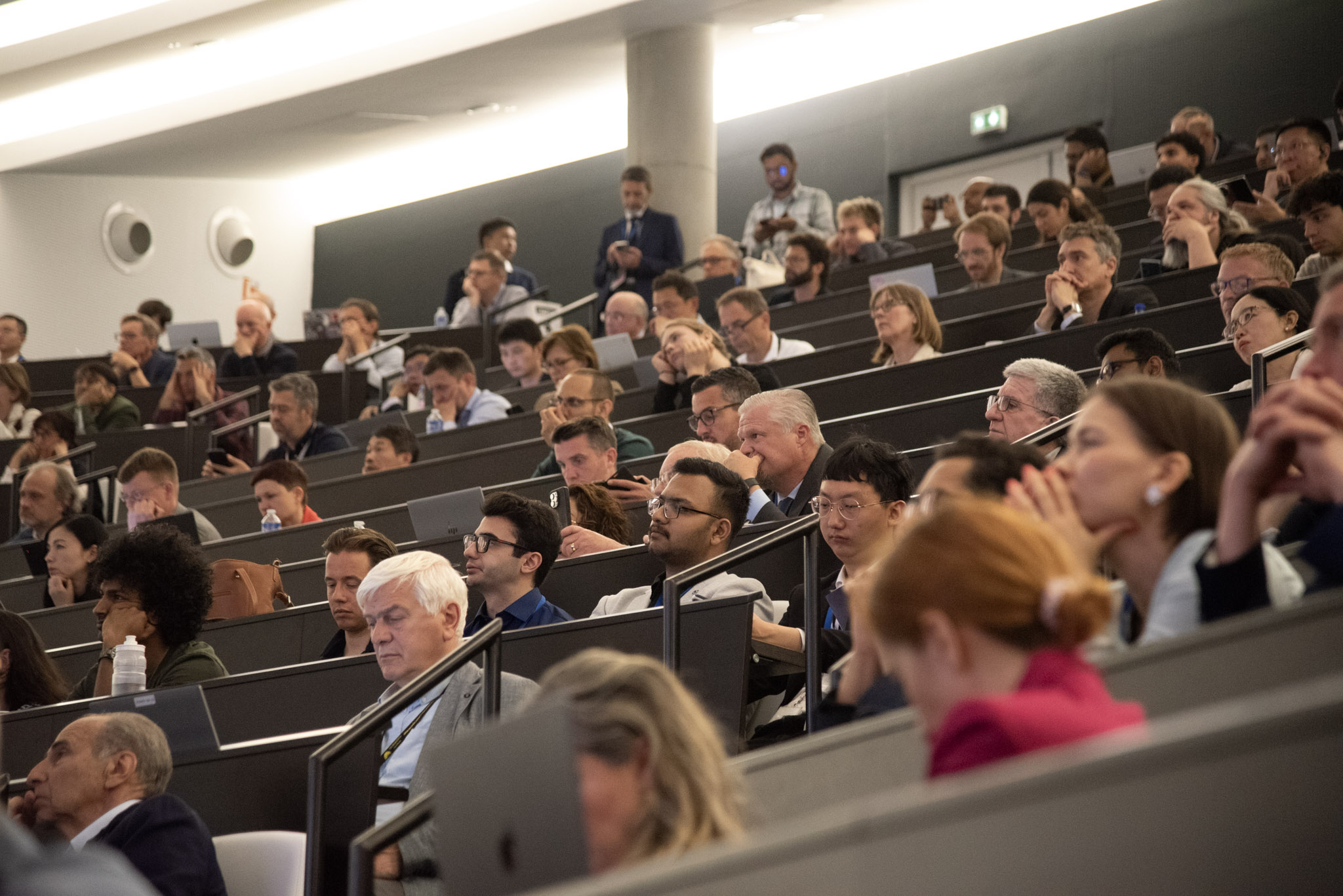
ITER just welcomed representatives from all parts of the new fusion ecosystem—startups, companies, and investors—on site for the third time in three years. Why is it important, in your opinion, to create these bridges?
For me, this project belongs to the fusion community. We are publicly funded, and individuals from all ITER Members have been investing in this project for decades—transforming what was once a concept on paper into a major research infrastructure.
We have accumulated a great deal of knowledge along the way, which puts us in a position to share valuable information with the community already, without having to wait for the start of scientific operation. We were already sharing with the publicly funded laboratories of the ITER Members, and now we are creating pathways to share with private and public-private ventures.
For a long time, ITER was the major player in the field. Do you view private sector initiatives as competition?
Historically, the ITER Members were each pursuing their own paths. But by the early 1980s, it had become evident that the challenges were so great that researchers needed to move toward a stronger collective effort. The ITER project emerged in this spirit—launched as part of the broader idea that international scientific collaboration could serve as a harbinger of world peace.
I joined ITER in the 1990s during this collaborative phase, and I am very proud—like all those who participated—of what was achieved together, especially in what was then a complex geopolitical context. I later left to pursue other projects before returning as Director-General of the ITER Organization in 2022. I don’t mind sharing that, at that point, my perspective on collaboration had evolved. As component delivery began accelerating, we had a construction project to deliver, and at times, too much deference to collaboration slowed execution.
My view is that you need a healthy balance between collaboration and competition. It is not good to be the only game in town. While compromises are inevitable in any partnership—especially at this scale—they must be carefully weighed against the project’s objectives and made with a clear understanding of their consequences.
The fact that so many good ideas are circulating, and that additional resources are materializing, will make this line of research healthier. The balance between cooperation and competition in this fusion endeavour will help to create value for all.
What can the ITER project offer private fusion initiatives?
ITER has a distinct and essential role. It is the place where the physics, the engineering, and the industrial reality of fusion are being brought together and tested at scale. We are generating the knowledge, knowhow, data and commissioning experience that should be of support to all fusion efforts—public and private alike.
I would also like ITER to serve as an example in the domain of project execution. We have undergone a real turnaround in the past three years and are now carrying out the most critical phases of machine assembly within cost and schedule. I think we have collectively shown that international cooperation can be implemented in a very effective way. Our course correction contains valuable lessons for others, which we are ready to share.
It is perhaps no coincidence that this progress at ITER has occurred alongside a healthier level of competition in the private sector. Investment is flowing into fusion technologies, and numerous startups are emerging worldwide—an encouraging development and one that can feed back to ITER in many positive ways.
Our task is to support the fusion community. If you are part of this community in one of the ITER Members, you are welcome to come here—even outside our annual workshop—to see what you need to advance your own project. There are many technical challenges ahead that will test us all, and I see ITER as a place of collaboration within this new, healthy context of competition.
Editor's note: See the new Private Sector Fusion Engagement project resource page here.