From exoplanets to ITER: Michel Mayor on the value of science
The discoverer of the first exoplanet orbiting a Sun-like star, Nobel Prize-winning astrophysicist Michel Mayor, urges humanity to invest in bold scientific projects and protect the planet we call home.
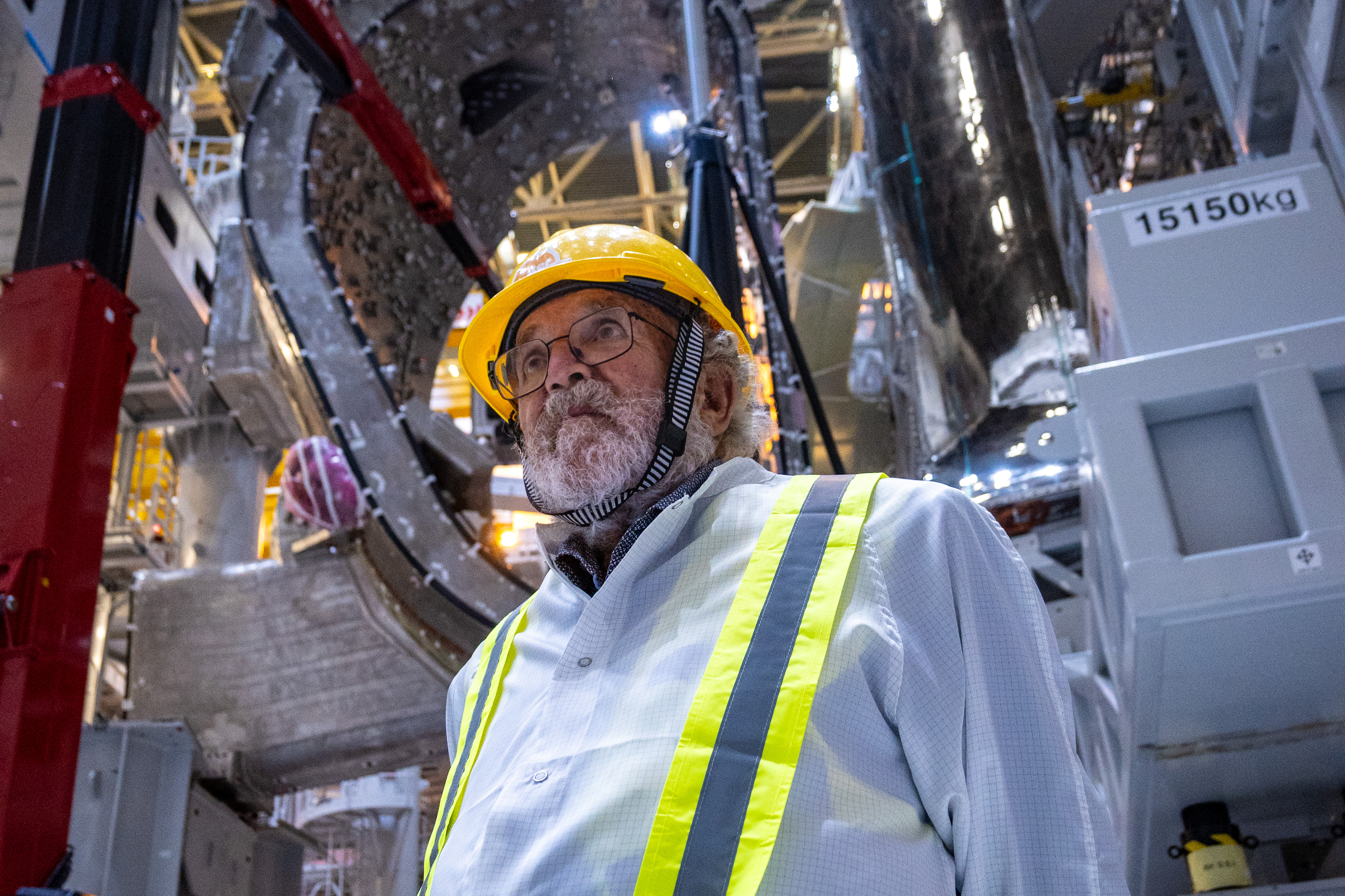
As an astrophysicist, Nobel Prize-winner Michel Mayor has spent his career probing the immensity of the universe and searching for planets in solar systems light years away. Yet even he was struck by the vast scale and ambition of ITER during his visit to the project last week.
“My first impression was almost one of shock at the sheer scale of an experiment like this,” Mayor said. “It’s beautiful and extraordinarily complex physics. There is something to the glory of humanity in the fact that we concern ourselves with questions like these.”
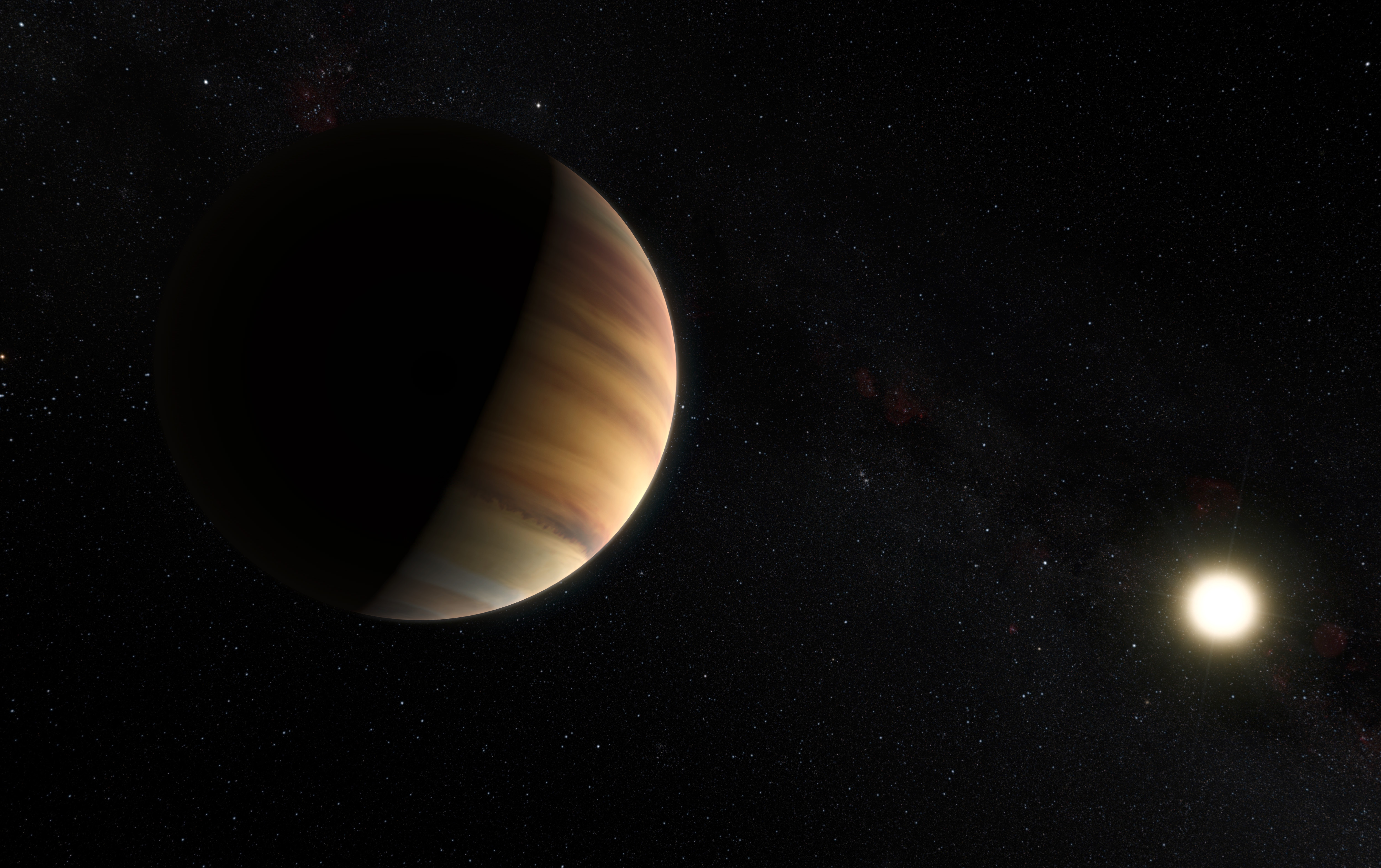
Mayor is a Swiss astrophysicist and professor emeritus at the University of Geneva. In 1995, Mayor and his doctoral student Didier Queloz announced the discovery of 51 Pegasi b, the first planet found orbiting a Sun-like star beyond our solar system. Using the ELODIE spectrograph at the Haute-Provence Observatory, about 40 kilometres from ITER, Mayor and Queloz detected tiny, regular changes in the motion of a star some 50 light years away, caused by the gravitational pull of an orbiting planet. The discovery helped launch the modern study of exoplanets and the pair shared half of the 2019 Nobel Prize in Physics for their work.
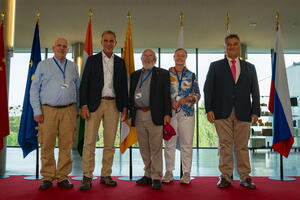
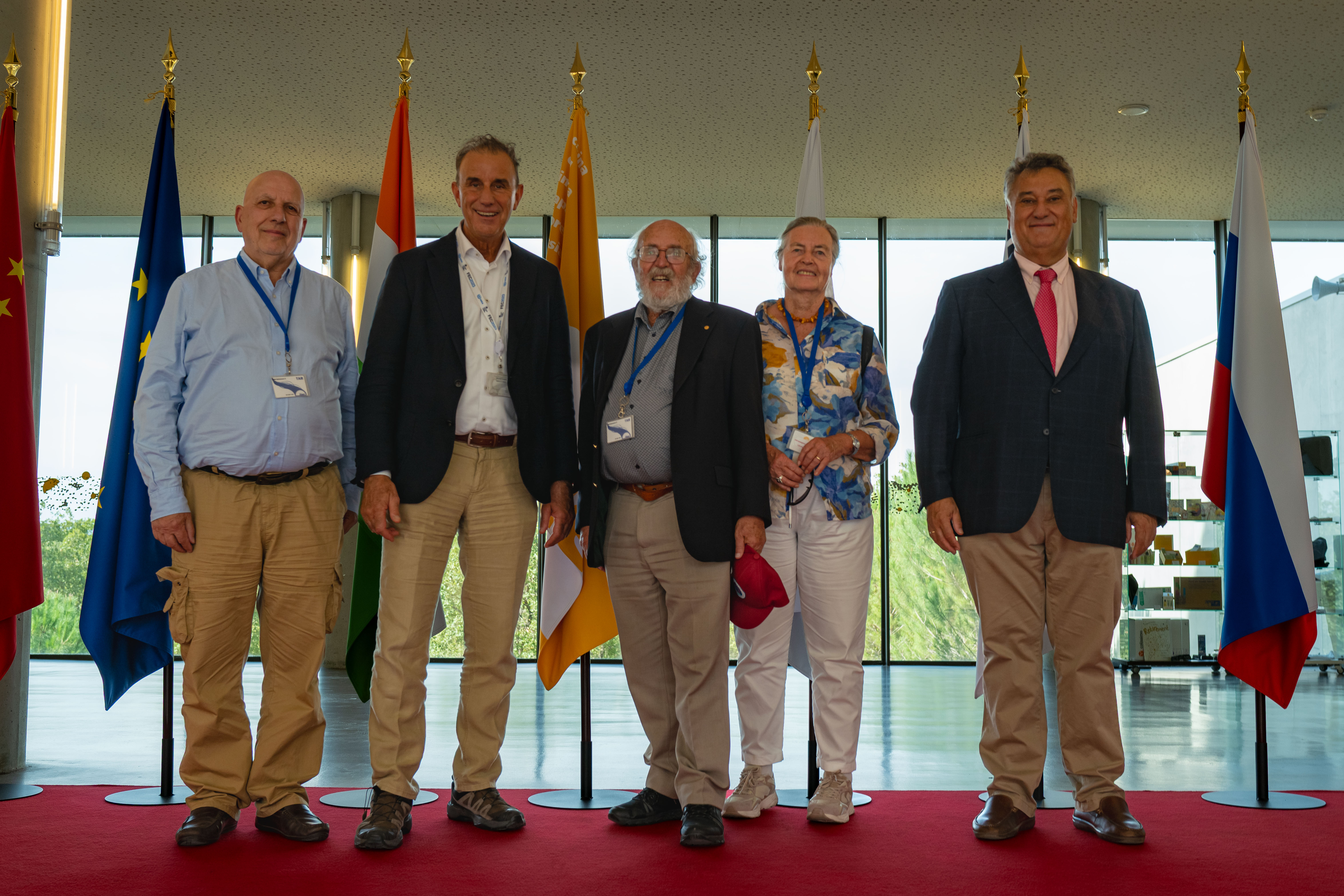
On Thursday 24 September, Mayor toured ITER where he met Director-General Pietro Barabaschi and received an overview of the project from Alberto Loarte, the Head of the Science Division. His visit reflected a broader commitment to championing fundamental science and the major facilities that make it possible. That commitment has taken him to scientific projects around the world, including a recent visit to the Gran Sasso National Laboratory in Italy, home to experiments in dark matter and particle physics.
“Sometimes people will ask me how we can justify the money we spend on these scientific projects and I need to remind them that all we need to do is stop a war for a few weeks and their budgets will be covered,” said Mayor.
Mayor also believes that it is vital to honour the sites of great scientific achievements. Citing efforts to preserve the Mount Wilson Observatory in California, where astronomers gathered crucial evidence that the universe was expanding, Mayor expressed the hope that the heart of ITER would one day also be preserved as a monument to humanity's pursuit of fusion energy.
Mayor’s passion for protecting these terrestrial achievements extends to Earth itself. While he has spent his career studying distant planetary systems, he is frustrated by suggestions that humanity could find a welcoming new home on Mars or another planet in the foreseeable future.
“I have nothing against science fiction, but we have to distinguish science fiction from science,” Mayor said. “We are human beings and we are bound to this planet. We have to take care of it. That’s the message.”